
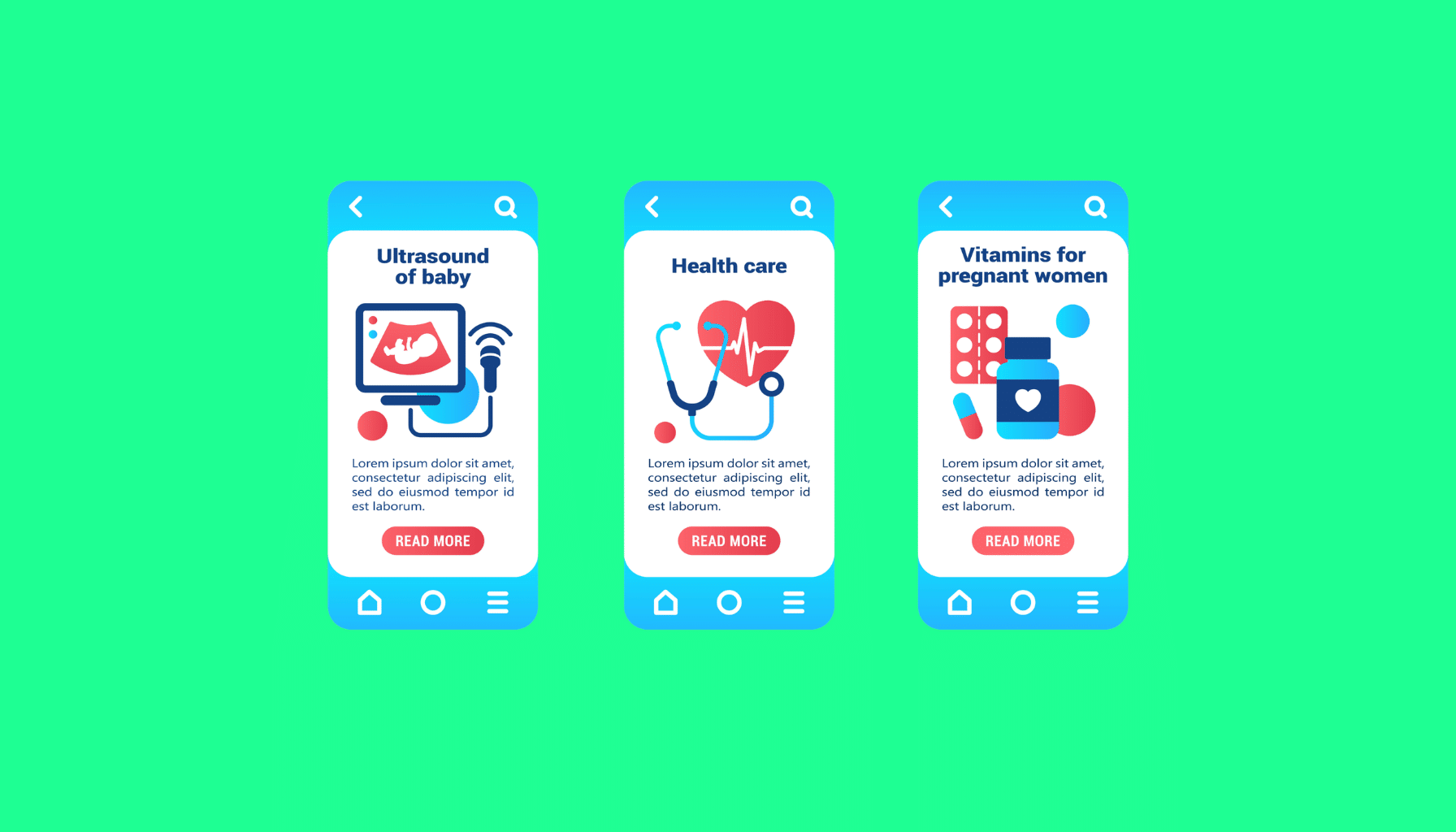
Key Takeaways: The global digital health market is approaching $200 billion in revenue in 2026, with healthcare app development accelerating across telemedicine, RPM, patient portals, mental health, wellness, EHR mobile, pharmacy, and radiology applications. Healthcare app development costs range from $40,000 for a basic MVP to $450,000+ for enterprise-grade platforms with EHR integration, AI capabilities, and multi-role workflows. The average mid-complexity healthcare app costs $120,000–$220,000. HIPAA compliance is mandatory for any app handling protected health information and adds 15–25% to base development cost. The 2026 Security Rule update makes encryption and MFA non-negotiable requirements. MVP-first development is the dominant strategy — launch a focused healthcare MVP in 12–16 weeks, validate with real users, then iterate. The most successful health apps in 2026 solve one specific problem perfectly before expanding scope. Post-launch maintenance typically runs 15–25% of initial development cost annually, covering security patches, OS updates, compliance changes, and feature iterations. Budget for this from day one — healthcare apps are never “finished.” Healthcare App Market Overview 2026 The healthcare app market in 2026 is defined by three converging forces: patients who expect consumer-grade digital experiences, providers who need mobile tools that integrate with their clinical workflows, and regulators who mandate interoperability and data access. Over 41,000 healthcare apps are listed on the Apple App Store alone. Global investor funding in digital healthcare exceeded $44 billion in 2021, and while funding has normalized since then, the applications that received investment are now maturing into production platforms serving millions of users. The digital health market is projected to reach $300 billion by 2028. For healthcare organizations and digital health startups, the question is no longer whether to build a healthcare app — it is how to build one that stands out in a crowded market, meets regulatory requirements, and delivers measurable clinical or operational outcomes. This guide covers every dimension of healthcare app development — from types and features to compliance, technology stacks, costs, and post-launch operations. For the broader context of healthcare software development beyond mobile apps, see our healthcare software development guide. Types of Healthcare Apps Healthcare apps span a wide range of categories, each serving different users with different regulatory requirements, integration needs, and technical complexity. Telemedicine and Virtual Care Apps Telemedicine apps enable video consultations, secure messaging, e-prescribing, appointment scheduling, and remote care delivery in a single HIPAA-compliant workflow. The telehealth market exceeds $175 billion in 2026. Modern telemedicine platforms require HD video streaming with low latency (WebRTC-based), screen sharing and file transfer capabilities, integration with EHR systems for clinical context, e-prescribing via Surescripts, payment processing and insurance eligibility verification, and clinical documentation tools. Taction builds telemedicine platforms that have achieved 50,000+ virtual visits in their first year of deployment. Remote Patient Monitoring (RPM) Apps RPM applications collect physiological data from IoT devices and wearables — blood pressure, glucose, pulse oximetry, weight, ECG — and deliver it to clinical teams in real time. These apps require device integration protocols (Bluetooth LE, cellular), alert escalation logic, clinical dashboards, and patient-facing interfaces. With CMS reimbursement codes (CPT 99453–99458) generating $150–$200+ per enrolled patient per month, RPM is both a clinical tool and a revenue generator. Taction’s RPM systems have reduced hospital readmissions by 35% in deployed environments. Patient Portal Apps Patient portals provide secure access to health records, appointment scheduling, lab results, prescription refills, billing, and secure messaging with providers. Under the 21st Century Cures Act, giving patients electronic access to their health data is a regulatory requirement — not an optional feature. Modern patient portal development focuses on mobile-first design, single sign-on, and deep EHR integration via FHIR APIs. Mental Health and Behavioral Health Apps The mental health app market is projected to reach $17 billion by 2030. These apps include teletherapy platforms, CBT-based self-help tools, mood and symptom trackers, crisis support features, journaling, and substance abuse recovery programs. Mental health apps face unique compliance requirements beyond standard HIPAA — including 42 CFR Part 2 for substance abuse treatment records and state-specific behavioral health privacy laws. Taction provides mental health app development with these specialized compliance requirements built in. Wellness and Fitness Apps Wellness apps track activity, nutrition, sleep, hydration, and general fitness metrics. They often integrate with wearables (Apple Watch, Fitbit, Garmin) and may or may not fall under HIPAA depending on whether they connect to healthcare providers or handle PHI. Consumer wellness apps that do not involve covered entities may be exempt from HIPAA but still fall under FTC health data regulations. EHR Mobile Apps Mobile EHR apps give providers bedside access to patient charts, clinical notes, lab results, medication lists, and order entry. These are among the most complex healthcare apps to build because they require deep integration with the underlying EHR platform, support for complex clinical workflows, and strict performance requirements (clinicians will not tolerate lag). Taction’s EHR/EMR development services include mobile companion app development for custom EHR implementations. Pharmacy and e-Prescribing Apps Pharmacy apps handle prescription management, medication reminders, refill requests, drug interaction checking, inventory management, and POS integration. e-Prescribing functionality requires Surescripts network connectivity and compliance with DEA requirements for controlled substance prescriptions (EPCS). Clinical Decision Support Apps CDSS apps provide real-time, evidence-based recommendations to clinicians at the point of care — drug interaction alerts, diagnostic differential generators, clinical calculators, and AI-powered diagnostic assistance. These apps may require FDA regulatory clearance as Software as a Medical Device (SaMD) depending on their intended use and risk classification. App Type Primary Users Typical Cost Timeline HIPAA Required? Telemedicine Providers, Patients $60K – $300K 4 – 8 months Yes RPM Clinicians, Patients $80K – $350K 5 – 10 months Yes Patient Portal Patients, Admins $40K – $200K 3 – 6 months Yes Mental Health Therapists, Patients $50K – $250K 3 – 7 months Yes Wellness/Fitness Consumers $30K – $150K 2 – 5 months Sometimes EHR Mobile Providers $100K – $400K 6 – 12 months Yes Pharmacy Pharmacists, Patients $60K – $250K 4 – 8 months Yes CDSS Clinicians $80K – $300K 5 – 10 months

Key Takeaways: Healthcare integration is the technical process of connecting disparate clinical systems — EHRs, lab systems, pharmacy networks, billing platforms, medical devices — so they can exchange patient data in real time. Without it, providers work with incomplete information and patients repeat the same data at every touchpoint. HL7v2 remains the most widely deployed healthcare messaging standard, used by the vast majority of US hospitals for real-time ADT, order, result, and scheduling messages. Despite being decades old, it will remain in production for years because of the massive installed base. FHIR R4 is the modern regulatory standard mandated by ONC for certified health IT. It uses RESTful APIs and JSON/XML resources, supports SMART on FHIR for third-party app authorization, and is required for patient-facing data access under the 21st Century Cures Act. Mirth Connect (now Mirth® Connect by NextGen Healthcare) powers one-third of all public Health Information Exchanges in the US and is deployed in over 40 countries. As of version 4.6 (2025), it has transitioned to a commercial licensing model — new releases require an enterprise license. The Trusted Exchange Framework and Common Agreement (TEFCA), finalized in December 2024, requires qualified health information networks to support HL7 FHIR APIs, creating additional regulatory pressure for organizations to adopt modern interoperability standards. Why Healthcare Integration Matters Healthcare organizations operate dozens of disconnected systems — electronic health records, laboratory information systems, pharmacy platforms, radiology PACS, billing engines, patient portals, and increasingly, mobile health applications and IoT devices. Without integration, data lives in silos. A physician cannot see lab results ordered through a different system. A patient repeats their medical history at every visit. Billing teams manually re-enter data from clinical notes. Discharge summaries never reach the primary care provider. The cost of this fragmentation is measured in patient safety incidents, duplicated tests, delayed diagnoses, and administrative waste. Studies consistently show that poor interoperability contributes to 30–40% of administrative healthcare spending in the United States. Integration solves this by enabling systems to exchange structured data in real time using standardized protocols. When done correctly, a lab order placed in the EHR automatically reaches the lab system, results flow back into the patient’s chart, the billing system captures the appropriate codes, and the patient sees their results in the portal — all without manual intervention. For organizations building or buying healthcare software, integration is not a feature — it is an architectural requirement. The healthcare software development process must account for integration from the discovery phase, not as an afterthought. Healthcare Integration Standards: HL7v2 vs FHIR vs CDA Three primary standards dominate healthcare data exchange. Understanding their differences, strengths, and appropriate use cases is essential for making the right architecture decisions. Aspect HL7v2 FHIR R4 CDA (C-CDA) Year Introduced 1987 2014 (R4: 2019) 2005 Data Format Pipe-delimited text ( ) JSON or XML Transport Protocol TCP/MLLP HTTP/REST File exchange, XDS Architecture Message-based (event-driven) API-based (RESTful) Document-based Primary Use Real-time clinical events App integration, patient access Clinical document exchange Adoption ~95% of US hospitals Growing rapidly (ONC mandate) Widely used for transitions of care Regulatory Status Industry standard ONC-mandated for certified HIT Required for Meaningful Use Learning Curve Moderate (complex message structures) Lower (web-developer-friendly) High (XML-heavy, complex templates) Best For Legacy system interfaces, ADT, orders, results Modern app development, patient APIs, SMART apps Summary documents, care transitions The practical reality is that most healthcare organizations need all three. HL7v2 handles the high-volume real-time messaging between established clinical systems. FHIR powers modern applications, patient-facing APIs, and third-party integrations. CDA documents handle transitions of care, discharge summaries, and other clinical document exchange. HL7v2 Messaging: ADT, ORM, ORU, SIU Message Types HL7 Version 2 is a pipe-delimited messaging standard designed for real-time event-driven communication between healthcare systems. Despite its age, it handles the majority of all healthcare data exchange in the United States today. How HL7v2 Messages Work An HL7v2 message is triggered by a clinical event — a patient is admitted, an order is placed, a result is finalized. The sending system generates a structured message, transmits it over a TCP/MLLP connection, and the receiving system acknowledges receipt with an ACK message. Every HL7v2 message consists of segments (MSH, PID, PV1, OBR, OBX, etc.), each containing fields separated by pipe characters. The MSH (Message Header) segment identifies the message type, sending and receiving applications, and timestamp. The PID (Patient Identification) segment contains demographics. Subsequent segments carry the clinical payload. Common HL7v2 Message Types ADT (Admission, Discharge, Transfer) — The most common HL7v2 message family. ADT messages notify downstream systems of patient movement events: A01 (admit), A02 (transfer), A03 (discharge), A04 (register), A08 (update patient information). These drive bed management, census tracking, and downstream clinical workflows. ORM (Order Messages) — Generated when a clinician places an order (lab test, imaging study, procedure). The ORM message contains the order details, patient identification, and ordering provider information. It flows from the EHR to the receiving system (lab, radiology) to initiate fulfillment. ORU (Observation Result) — The return path for ORM. When a lab completes a test or a radiologist finalizes a report, an ORU message carrying the results flows back to the ordering system. ORU messages populate the results tab in the EHR and trigger clinical alerts. SIU (Scheduling) — Manages appointment creation, modification, and cancellation across scheduling systems. SIU messages synchronize appointment data between the EHR, patient portal, and departmental scheduling applications. MDM (Medical Document Management) — Handles clinical document notifications, including transcribed reports, clinical notes, and discharge summaries. HL7v2 Implementation Considerations HL7v2’s primary challenge is variation. The standard is intentionally flexible, which means every implementation is slightly different. Two hospitals may both send ADT A01 messages, but the field mappings, segment usage, and optional fields will differ. This is why integration engines like Mirth Connect exist — to handle the transformation and routing logic that bridges these differences. FHIR Deep Dive: Resources, APIs, SMART on FHIR FHIR (Fast Healthcare Interoperability Resources) represents a fundamental architectural shift from message-based to API-based healthcare data exchange. Developed by HL7
Key Takeaways: Healthcare software development encompasses EHR/EMR systems, telemedicine platforms, patient portals, remote patient monitoring, clinical decision support, and AI-driven diagnostics — each with distinct compliance requirements and technical architectures. HIPAA compliance is non-negotiable and adds 15–25% to project costs. It requires AES-256 encryption, role-based access controls, comprehensive audit logging, and Business Associate Agreements with every vendor handling PHI. Modern healthcare applications must support HL7v2 and FHIR interoperability standards to comply with the 21st Century Cures Act and ONC certification requirements mandating open API access. Development costs range from $40,000 for a basic patient portal to $500,000+ for enterprise EHR systems, with ongoing maintenance typically running 15–20% of the initial build cost annually. Cloud-native architectures on HIPAA-eligible AWS or Azure services have become the standard deployment model, replacing on-premises infrastructure for all but the most security-sensitive use cases. 1. The State of Healthcare Software in 2026 Healthcare software development in 2026 is defined by three converging forces: mandatory interoperability regulations, the migration from legacy monolithic architectures to cloud-native modular platforms, and the rapid integration of artificial intelligence into clinical and administrative workflows. The healthcare IT market — valued at over $550 billion globally — is expanding at a 16.4% CAGR, driven primarily by healthcare providers who account for roughly 66% of all IT spending in the sector. In the United States alone, the 21st Century Cures Act, ONC interoperability mandates, and CMS requirements linking reimbursement to data-sharing compliance have created regulatory urgency that did not exist five years ago. For healthcare organizations evaluating custom software development, the landscape has shifted decisively. Off-the-shelf solutions that once dominated the market are increasingly unable to address the need for differentiated patient experiences, proprietary clinical workflows, and seamless integration across EHR platforms using HL7 and FHIR standards. At the same time, the cost of non-compliance has risen sharply — HIPAA violation penalties now reach up to $2.13 million per violation category per year. This guide is built from Taction Software’s 22+ years of experience developing healthcare software for hospitals, clinics, health systems, and digital health startups across the United States. 2. Types of Healthcare Software Healthcare software spans a broad spectrum of applications. Understanding the distinctions is essential because each type carries different regulatory requirements, integration complexity, and development effort. Electronic Health Records (EHR/EMR) Systems EHR systems are the backbone of clinical operations, managing patient demographics, medical history, medications, lab results, clinical notes, and billing data. Custom EHR development makes sense when an organization’s workflows are too specialized for platforms like Epic or Oracle Health (formerly Cerner), or when they need proprietary functionality that commercial platforms cannot accommodate. Taction Software offers custom EHR/EMR development and integration services for organizations that need this level of control. Telemedicine and Virtual Care Platforms Telemedicine applications enable video consultations, secure messaging, e-prescribing, and remote care delivery. The global telehealth market is projected to exceed $175 billion by 2026, reflecting a permanent shift in how patients and providers interact. A well-built telemedicine platform integrates real-time video with scheduling, EHR data, payment processing, and clinical documentation in a single HIPAA-compliant workflow. Patient Portal Applications Patient portals give patients secure access to their health records, appointment scheduling, lab results, prescription refills, and billing information. Under the 21st Century Cures Act, providing patients with electronic access to their health data is not optional — it is a regulatory requirement. Modern patient portal development focuses on mobile-first design, single sign-on authentication, and deep EHR integration. Remote Patient Monitoring (RPM) RPM platforms collect physiological data from IoT devices and wearables — blood pressure, glucose levels, pulse oximetry, weight — and deliver it to clinical teams in real time. These systems require device integration protocols, alert escalation logic, and clinical dashboards. With CMS reimbursement codes (CPT 99453–99458) now well established, RPM has become both a clinical tool and a revenue generator. Taction builds RPM systems that have reduced hospital readmissions by 35% in deployed environments. Clinical Decision Support Systems (CDSS) CDSS applications use rule-based logic, machine learning models, or a combination of both to provide clinicians with evidence-based recommendations at the point of care. These range from drug interaction alerts to AI-powered diagnostic assistance and require careful attention to FDA regulatory pathways for Software as a Medical Device (SaMD). Other Healthcare Software Types The healthcare software ecosystem also includes hospital management systems (HMS), medical billing and revenue cycle management (RCM) platforms, pharmacy management systems, mental health and behavioral health applications, laboratory information systems (LIS), radiology information systems (RIS), and healthcare analytics and business intelligence platforms. Software Type Primary Users Cost Range Timeline Custom EHR/EMR Hospitals, Clinics $100K – $500K+ 9 – 18 months Telemedicine Platform Providers, Patients $60K – $300K 4 – 8 months Patient Portal Patients, Admins $40K – $200K 3 – 6 months RPM System Clinicians, Patients $80K – $350K 5 – 10 months Mental Health App Therapists, Patients $50K – $250K 3 – 7 months Hospital Management System Hospital Admin $150K – $600K+ 10 – 18 months Healthcare Analytics C-Suite, Clinical Ops $80K – $300K 4 – 9 months Pharmacy Management Pharmacists $60K – $250K 4 – 8 months 3. Key Features Every Healthcare App Needs Regardless of application type, healthcare software must address a common set of functional and non-functional requirements that distinguish it from general-purpose software development. Security and Compliance Features Every healthcare application handling protected health information (PHI) requires AES-256 encryption at rest and TLS 1.2+ encryption in transit, role-based access control (RBAC) with the principle of least privilege, multi-factor authentication (MFA), comprehensive audit trail logging with tamper-proof storage, automatic session timeout and device management, and data backup with disaster recovery procedures. These are not optional enhancements — they are baseline HIPAA compliance requirements. Interoperability Features Healthcare software must exchange data with other systems — EHRs, labs, pharmacies, billing platforms, and insurance networks. This requires HL7v2 messaging support for legacy systems, FHIR R4 API support for modern interoperability, SMART on FHIR for third-party app integration, Direct messaging for secure clinical communication, and X12 EDI for insurance and claims
Taction Software is a HIPAA-compliant healthcare software development partner for digital health startups, healthtech founders, and seed-to-Series A teams. We help healthcare startups go from product concept to launched MVP in 3–4 months — without compromising on HIPAA, HITECH, or the engineering rigor your investors and pilot customers expect. Since 2013, we’ve worked with healthtech startups including Linear Health, PepHealth, Xoomia, and DNI to design, build, and ship products that hold up to clinical, regulatory, and investor scrutiny. Why Healthcare Startups Choose Taction Healthtech startups face a unique squeeze: investors want speed, regulators want rigor, clinical users want simplicity, and your runway doesn’t allow for rework. We’ve spent 12+ years solving exactly this combination — building HIPAA-compliant healthcare software for startups across telemedicine, medical devices, behavioral health, drug nutrition, and digital therapeutics. Founder-Friendly Engagement We work the way startups actually operate — Slack-first communication, 2-week sprints, weekly demos, and direct engineer access. No account managers between you and the team writing your code. Speed Without Compromise Our TURBO agile methodology ships healthtech MVPs in 3–4 months — fast enough to support pre-seed and seed-stage timelines, while still meeting HIPAA, HITECH, and SOC 2-aligned engineering standards. Built for Investor Diligence We engineer products that pass technical due diligence — proper architecture documentation, security posture, HIPAA compliance evidence, and a roadmap your investors can validate. Real Healthtech Track Record We’ve shipped products for healthtech companies including: That’s real product engineering for real healthtech companies — not anonymous case studies. What We Build for Healthcare Startups We focus on the product categories that healthcare startups typically pursue — not enterprise legacy modernization (that’s covered by our enterprise healthcare software development services). Healthtech MVPs A focused MVP that proves your core hypothesis to investors and early pilot customers. We help you scope ruthlessly — saying no to features in week 1 so we can say yes to a working product in week 12. Every healthtech MVP we ship includes the HIPAA, security, and architecture foundations to scale into a production v1 without rework. Telemedicine and Virtual Care Apps Mobile-first telemedicine apps with HIPAA-compliant video, secure messaging, e-prescribing integration, and provider scheduling. See our analysis of the best telemedicine apps for industry context. Patient Engagement and mHealth Apps Patient-facing mobile applications for chronic care management, medication adherence, mental health, fitness tracking, and condition-specific support. Our mobile app development team builds for both iOS and Android with consumer-grade UX and clinical-grade compliance. Remote Patient Monitoring (RPM) Platforms RPM platforms that integrate with wearables and IoT medical devices, surface clinician alerts, and capture longitudinal patient data. Designed for chronic disease management and post-acute care startup use cases. Medical Device Companion Apps iOS and Android companion apps for connected medical devices — supporting Bluetooth Low Energy, secure cloud sync, and FDA-aware engineering practices. Examples include connected diagnostics, wearables, and medication adherence devices. Healthcare SaaS Products B2B SaaS products serving providers, payers, and other healthcare organizations — including healthcare CRM platforms, care coordination tools, and clinical workflow software. Multi-tenant architecture, enterprise security, and admin tooling built in. Clinical Workflow Tools Provider-facing tools for clinical documentation, decision support, e-prescribing, and care team collaboration. Built around real clinical workflows, not theoretical use cases. Drug Information and Reference Apps Apps providing formulary databases, drug interaction checking, and clinical decision support — like our work with DNI on drug-nutrition interactions. Digital Therapeutics (DTx) Software-as-medicine applications addressing behavioral health, sleep, chronic disease, and other conditions. We engineer with FDA SaMD considerations in mind from day one. How We Work With Healthcare Startups Discovery Sprint (1–2 weeks) We start with an intensive discovery sprint — mapping your clinical hypothesis, user personas, regulatory scope, integration requirements, and MVP feature set. Output: a detailed scoping document, technical architecture proposal, and 3–4 month roadmap to MVP launch. MVP Build (8–12 weeks) Agile development in 2-week sprints. You get weekly working demos, a shared Slack channel, real-time project dashboard, and direct engineer access. Most healthtech MVPs ship to TestFlight / Play Store internal track within 12 weeks of kickoff. Pilot Support (post-launch) Once your MVP is live and onboarding pilot users, we provide ongoing support — bug fixes, feature iteration based on pilot feedback, and the metrics infrastructure to support your investor updates. Scale-Up Engineering (Series A and beyond) When you raise your next round and need to scale — geographic expansion, new platform features, additional EHR integrations, enterprise security upgrades — we transition from MVP team to scale-up partner without losing context or velocity. HIPAA Compliance Built In From Day One Healthtech startups can’t afford to retrofit compliance after launch. Every product we build for healthcare startups includes: Security Engineering Compliance Documentation Free Resource Before you scope your MVP, start with our free HIPAA Risk Assessment Template and HIPAA Compliance Checklist — designed specifically for healthcare startups planning a HIPAA-compliant build. Healthtech Tech Stack We Use We pick technologies based on what works for healthtech startups — fast to develop, cheap to maintain, easy to hire for, and proven to scale. Mobile Swift (iOS), Kotlin (Android), React Native, Flutter — chosen based on your platform priorities and budget. Backend Node.js, Python, Java — with HIPAA-compliant API design and secure microservices architecture. Frontend React, Next.js — for provider portals, admin dashboards, and web apps. Cloud AWS, GCP, Azure — HIPAA-eligible configurations only. We sign BAAs with all hosting providers. Database PostgreSQL, MongoDB — with field-level PHI encryption. Integration HL7 v2, FHIR R4, Mirth Connect, Surescripts — for EHR and healthcare integration. AI/ML TensorFlow, PyTorch, OpenAI APIs — for healthcare AI applications including clinical decision support and predictive analytics. Healthcare Startup Case Studies Browse our healthcare portfolio for additional examples beyond the ones below. Austin Healthcare Startup — Telemedicine App HIPAA-compliant iOS and Android telemedicine app for an Austin-based digital health startup. Shipped in 6 months including provider portal and 40+ provider onboarding. View Case Study Austin SaaS Startup — Cross-Platform Mobile React Native mobile companion for a B2B SaaS platform, shipped in 14 weeks to support a six-figure
We Built the Best Medication Reminder App Development for Seniors As people age, managing medications becomes increasingly challenging. Seniors often juggle multiple prescriptions with complex dosages, making it easy to forget a dose or take the wrong medication at the wrong time. Missed or incorrect doses can lead to serious health complications, hospitalizations, or even life-threatening situations. This growing concern has led to the rise of medication reminder apps—digital solutions designed to help seniors stay on track with their prescriptions. However, not all medication reminder apps are built with seniors in mind. Many lack user-friendly interfaces, real-time alerts for caregivers, or essential compliance features that ensure safety and adherence. Recognizing this gap, Taction Software leveraged its 20+ years of expertise in healthcare IT to build a best-in-class medication reminder app tailored specifically for seniors. What makes our app different? Beyond just setting reminders, it offers personalized medication schedules, real-time notifications, caregiver connectivity, voice-assisted reminders, and HIPAA-compliant security measures. Designed with simplicity and accessibility in mind, the app features large fonts, intuitive navigation, and easy-to-understand alerts, ensuring seniors can use it effortlessly. Additionally, integration with electronic health records (EHRs) and pharmacy systems makes prescription management seamless. At Taction Software, we believe that technology should empower seniors to maintain independence and take control of their health. Our medication reminder app isn’t just another tool—it’s a lifesaving companion designed to enhance medication adherence and improve overall well-being. Benefits of Using AI-Powered Healthcare Apps for U.S. Hospitals Why Seniors Need a Medication Reminder App? Medication adherence is a critical aspect of senior healthcare, yet it remains a widespread challenge. Studies show that nearly 50% of seniors do not take their medications as prescribed, leading to increased hospitalizations, deteriorating health conditions, and even preventable fatalities. Non-adherence can result from forgetfulness, cognitive decline, complex medication schedules, or difficulty managing multiple prescriptions—issues that become more common as people age. For seniors with chronic conditions like diabetes, heart disease, or hypertension, missing a dose can have severe consequences, including sudden spikes in blood pressure, blood sugar fluctuations, or worsened symptoms. The challenge is even greater for those prescribed multiple medications at different times of the day, requiring strict compliance to avoid drug interactions or ineffectiveness. A medication reminder app solves this problem by providing timely alerts, tracking medication history, and ensuring caregivers stay informed. It eliminates confusion, prevents missed doses, and fosters better adherence, ultimately improving health outcomes and reducing emergency visits. With technology-driven solutions, seniors can regain control over their medication schedules, ensuring they stay on top of their health without added stress. Ultimate Step-by-Step Guide to Blockchain Technology for Secure Healthcare Software Solutions Key Features of an Ideal Medication Reminder App for Seniors A medication reminder app should do more than just send notifications—it must be designed with seniors in mind, prioritizing ease of use, security, and caregiver involvement. Here are the essential features that make a medication reminder app truly effective for seniors: User-Friendly Interface with Large Fonts & Voice Assistance Seniors often struggle with small text, complex menus, and hard-to-navigate interfaces. A well-designed medication reminder app should feature large, high-contrast fonts, intuitive icons, and simple navigation to ensure ease of use. Voice assistance is another critical feature, allowing seniors to set reminders, confirm doses, or request information using voice commands, reducing the need for manual input. Touch-friendly buttons and accessibility settings further enhance usability, making the app intuitive for users with vision or motor impairments. Smart Alerts and Personalized Reminders A good reminder system is more than just a basic alarm—it should be customizable to match each senior’s medication schedule. Whether through SMS, phone calls, app notifications, or smart home device alerts, seniors can receive timely reminders in the format they prefer. Additionally, the app can track adherence and send real-time confirmation to caregivers or healthcare providers, ensuring compliance and intervention when necessary. Family & Caregiver Connectivity Many seniors rely on family members or caregivers to help manage their medications. A reliable app should include real-time caregiver connectivity, allowing loved ones to receive alerts when a dose is missed, track adherence trends, and intervene when necessary. This feature provides peace of mind for families while ensuring seniors stay consistent with their medication regimens. Medication Refill & Dosage Tracking Running out of essential medication can have serious consequences. An advanced medication reminder app should send automated alerts when a prescription is running low and offer seamless integration with pharmacies for easy refills. Additionally, dosage tracking helps prevent overdosing or skipping doses, ensuring the correct medication is taken at the right time. HIPAA-Compliant Security and Data Privacy Security is crucial when dealing with sensitive medical data. The app must adhere to HIPAA (Health Insurance Portability and Accountability Act) guidelines, ensuring all health information remains private and protected. End-to-end encryption, secure cloud storage, and strict access controls help prevent unauthorized access, safeguarding personal health records from breaches. By combining these essential features, a medication reminder app can significantly enhance medication adherence for seniors, improve their overall health, and provide caregivers with the tools needed to offer better support. How Taction Software Built the Best Medication Reminder App? At Taction Software, we leveraged our 20+ years of expertise in healthcare IT to develop a cutting-edge medication reminder app designed specifically for seniors. Our development process was guided by deep industry knowledge, collaboration with healthcare professionals, and the latest technological advancements to ensure seamless medication management and improved adherence. A Patient-Centric Development Approach Understanding the challenges seniors face in medication adherence, we worked closely with doctors, pharmacists, and geriatric care specialists to design an app that prioritizes usability, accuracy, and compliance with healthcare regulations. The goal was to create an app that simplifies medication tracking while integrating advanced features for real-time monitoring and caregiver connectivity. Leveraging AI and Machine Learning for Smart Medication Management Our app goes beyond basic reminders by incorporating AI and machine learning to analyze user behavior and predict medication adherence patterns. It adjusts reminders based on user habits, detects potential non-compliance, and provides intelligent recommendations
Artificial Intelligence in Healthcare Mobile App Development The healthcare industry is experiencing a transformation through (Artificial Intelligence) AI which boosts mobile application capabilities by improving diagnostic accuracy and streamlining clinical tasks while boosting patient interaction. AI transforms healthcare delivery and management through advanced symptom checkers and analytic tools as well as chatbots that support telemedicine services. Taction Software leverages 19 years of healthcare IT knowledge to develop AI-powered mobile healthcare applications that combine cutting-edge AI technology with practical medical needs. Our solutions enhance clinical efficiency and patient care while securing data to comply with HIPAA and other regulatory standards. This article examines AI’s impact on healthcare mobile app development by examining key technologies that drive these changes and discussing real-world applications while addressing challenges and future trends. This guide provides healthcare providers, startups, and enterprises looking to adopt AI with insights into the benefits of AI-powered healthcare mobile apps. Why AI is Revolutionizing Healthcare Mobile Apps? Despite widespread adoption in healthcare mobile applications users face persistent obstacles including inefficient patient management delayed diagnostics data security risks and insufficient personalization features. EHR system integration challenges plague many healthcare apps resulting in disjointed patient care and manual processing that delays treatment processes. The massive amount of healthcare data presents significant challenges in generating useful insights without utilizing advanced technological solutions. AI improves healthcare applications through better efficiency and accuracy while providing personalized care solutions. Machine Learning (ML) algorithms process substantial patient data volumes to produce real-time insights along with predictive diagnoses and customized treatment plans. AI chatbots deliver round-the-clock virtual support which helps shorten patient waiting periods and increases overall engagement. The Natural Language Processing (NLP) technology allows physicians to convert spoken clinical information into written documentation which saves them time. Key AI-driven features in healthcare mobile apps include: AI-powered symptom checkers for early diagnosis. Predictive analytics to detect potential health risks. Automated appointment scheduling for seamless patient flow. Remote patient monitoring (RPM) with AI-integrated wearables. AI-enhanced drug discovery and clinical decision support. Through the adoption of artificial intelligence technologies healthcare providers are able to offer more accurate data-based and widely accessible care which leads to improved patient results and enhanced operational effectiveness. How Healthcare Business Intelligence Is Improving Patient Care Harness the power of AI in healthcare mobile app development. Let’s create innovative, compliant, and intelligent solutions together! Get Started Key AI Technologies Powering Healthcare Mobile Apps The healthcare industry is experiencing a digital transformation as Artificial Intelligence brings advanced diagnostic tools to healthcare mobile apps with automation capabilities that tailor patient care. AI-powered innovations are defining the next stage of healthcare mobile application development. Machine Learning for Personalized Patient Care Machine Learning (ML) is revolutionizing predictive analytics while simultaneously improving patient monitoring and early diagnosis of diseases. Machine Learning algorithms analyze extensive patient data to detect patterns which allow them to forecast health risks before symptoms emerge. ML technology functions as a vital tool for chronic disease management by tracking diabetes and hypertension and offering individualized treatment solutions. ML-powered early diagnosis models enhance disease detection accuracy for conditions like cancer which results in fewer invasive diagnostic procedures. Natural Language Processing (NLP) in Virtual Assistants NLP technology allows chatbots and virtual assistants to manage patient interactions more effectively by enhancing response time while maintaining accessibility. Voice recognition software enabled by artificial intelligence enables doctors to transcribe medical notes without using their hands. Virtual assistants provide patient support through answering questions and scheduling appointments while also analyzing speech patterns to identify potential neurological conditions such as Alzheimer’s and Parkinson’s. Computer Vision in Medical Imaging & Diagnostics Medical imaging diagnostics gets improved through computer vision systems powered by Artificial Intelligence which benefits radiology and MRI analysis. Machine learning algorithms developed from extensive data sets demonstrate exceptional accuracy when identifying tumors as well as fractures and anomalies from X-ray, CT scan, and MRI images. AI systems help pathologists by automating the detection of abnormal cell patterns which enables quicker disease diagnoses. Deep Learning & AI-driven Decision Support Systems Deep Learning technology supports clinical decision-making processes while advancing precision medicine and facilitating drug discovery research. Physicians receive evidence-based treatment recommendations from AI models trained on comprehensive medical records which help minimize diagnostic errors in complex cases. Deep learning speeds up pharmaceutical research by studying molecular structures to predict side effects which facilitates quicker development of new medications. The application of AI technologies extends beyond healthcare mobile apps by transforming healthcare delivery into a more effective, customized, and precise system. Real-World Applications of AI in Healthcare Mobile Apps Artificial Intelligence revolutionizes healthcare mobile applications through process automation which bolsters patient interaction while also increasing medical precision. This section outlines several significant applications where AI technology benefits healthcare mobile applications. AI-Driven Symptom Checkers & Virtual Doctors AI-driven symptom checkers analyze users’ symptoms through extensive medical databases to offer initial health evaluations. Patients benefit from virtual doctors that use NLP and machine learning to help them self-diagnose and direct them toward appropriate healthcare services while minimizing unnecessary clinic visits. Smart Appointment Scheduling & Patient Engagement AI systems enhance scheduling appointments by evaluating patient history together with doctor availability and prioritizing cases based on urgency levels. Smart scheduling cuts down waiting periods while avoiding appointment clashes and maintains orderly patient movement. Through personalized reminders and medication alerts along with follow-up notifications AI-powered chatbots enhance patient engagement and treatment plan adherence. AI-Powered Medical Transcription for Streamlined Documentation A substantial portion of doctors’ time goes towards completing medical documentation tasks. AI-driven speech-to-text transcription solutions automate the medical documentation process which transforms spoken commands into organized medical records. Through this technology physicians can dedicate more time to patient care while experiencing reduced administrative duties and achieving greater documentation precision. Wearable Health Monitoring Apps (AI-Powered Insights on Vitals) AI-powered wearables monitor live health data covering heart rate measurements alongside oxygen levels together with sleep patterns and physical activity assessments. Health apps employ machine learning methods to evaluate data for detecting irregularities and predicting health risks along with delivering tailored health recommendations. AI
Transforming Healthcare with IoT-Enabled Health Monitoring Rapid transformation of the United States healthcare sector sees IoT health monitoring systems as essential components which significantly boost both patient care quality and clinical operations. The increasing prevalence of chronic diseases and aging populations along with higher demands for remote healthcare services have made IoT-based health monitoring systems essential game-changing tools. Healthcare outcomes improve significantly through advanced solutions that use connected medical devices and AI-driven analytics along with cloud integration to deliver real-time patient insights. Remote Patient Monitoring stands out as one of the most substantial IoT applications within the healthcare industry. Physicians gain the ability to observe vital signs continuously and detect early warning signals through data from wearable sensors and medical devices which enables them to intervene proactively and decrease emergency visits and hospital readmissions. Patients benefit from enhanced healthcare accessibility as well as customized health information which leads to an improved life quality while reducing the need for regular physical appointments. Taction Software delivers 19 years of healthcare technology experience through developing IoT-enabled custom health monitoring applications. Our healthcare solutions empower providers and hospitals to deliver high-quality patient care by implementing secure, scalable IoT integrations that comply with HIPAA standards. IoT-based health monitoring systems provide real-time data that enables both healthcare providers and patients to make informed decisions. The ability to track heart rate, blood pressure, glucose levels and ECG readings transforms preventive healthcare while enhancing the reach and operational effectiveness of remote medical services. What is IoT-Enabled Health Monitoring? The Internet of Things (IoT) supports healthcare transformation by connecting medical devices and sensors to wearables and mobile apps in real-time patient health monitoring systems. With continuous data collection and analysis capabilities this technology delivers vital information to healthcare professionals who use this data to improve patient treatment and care approaches. The fundamental component of healthcare IoT technology is Remote Patient Monitoring which enables doctors to track patients from remote locations outside of hospitals. Doctors have real-time access to patient vitals including heart rate and ECG readings through IoT-enabled healthcare systems which eliminates the need for regular physical check-ups. Early disease detection benefits from these systems while emergency hospitalizations decrease and proactive intervention receives stronger support. Health monitoring systems that use IoT technology work by connecting multiple smart devices together. Smartwatches and medical devices such as ECG monitors and pulse oximeters collect patient biometrics that healthcare providers receive through cloud service platforms. AI-driven analytics processes the collected data to send alerts for unusual patterns while delivering health advice tailored to patients through mobile applications. IoT-enabled health monitoring systems that combine IoT devices with mobile applications and cloud analytics improve chronic disease management while transforming healthcare service delivery to be more accessible, efficient, and patient-focused. Ultimate Step-by-Step Guide to Blockchain Technology for Secure Healthcare Software Solutions Key Benefits of IoT-Enabled Health Monitoring Apps IoT-enabled health monitoring applications are revolutionizing healthcare provider methods for tracking diagnoses and managing patient health. Smart systems that improve patient care through real-time insights and proactive interventions lead to more accessible and efficient healthcare. Real-time Health Data Tracking & Monitoring IoT-enabled mobile devices constantly gather key health information including heart rate and oxygen saturation levels (SpO2) and send it along with ECG readings and blood pressure measurements as well as glucose level data. A combination of wearable fitness trackers medical-grade smartwatches pulse oximeters and implantable sensors enables continuous health monitoring at all times. The connection to cloud services allows patients and healthcare providers to access health data immediately which facilitates fast medical decisions and prompt interventions. Remote Patient Monitoring for Chronic Disease Management Chronic condition patients such as those with diabetes, hypertension and cardiovascular diseases benefit greatly from IoT-based Remote Patient Monitoring (RPM) which serves as a transformative healthcare solution. Through these applications doctors can remotely track vital signs while evaluating data trends and updating treatment plans as necessary. IoT health monitoring systems minimize the necessity for routine face-to-face appointments which improves patient convenience while also boosting medication compliance and reducing hospital readmission numbers. Early Detection and Alerts Predicting health risks becomes more effective through the application of advanced AI-powered analytics. The IoT-enabled health monitoring applications detect abnormalities like irregular heart rhythms and sudden blood sugar increases to immediately inform medical professionals and emergency responders. The real-time alert system functions as a preventive measure against medical emergencies through its capacity to enable early intervention and proactive healthcare management. Data-Driven Personalized Healthcare IoT-enabled applications utilize cloud-based platforms to store patient health data for long-term processing and analysis. This approach allows precision medicine which designs treatment plans based on a person’s specific health patterns and lifestyle habits. Artificial intelligence insights enable optimized treatment methods while boosting patient participation and achieving superior healthcare results. With these benefits, IoT-enabled health monitoring apps are reshaping the future of healthcare, offering proactive, data-driven, and patient-centric medical solutions. Essential Features of an IoT-Enabled Health Monitoring App A health monitoring application enabled by IoT technology requires advanced features to maintain continuous data capture and provide real-time analysis with proactive healthcare responses. Essential features improve patient monitoring capabilities while also increasing diagnosis precision and remote healthcare management effectiveness. Integration with IoT Wearables & Medical Devices An IoT-based health monitoring system achieves its full potential when it can integrate smoothly with different smart medical devices. Smartwatches and medical devices such as ECG monitors, pulse oximeters, BP monitors, glucometers, and implantable sensors form part of the system’s integration framework. The application needs to handle real-time data streaming from wearable devices to provide uninterrupted health monitoring while delivering precise diagnostic outcomes. Cloud-Based Storage and Real-Time Data Syncing Secure cloud-based infrastructure supports immediate data synchronization and enables users to access information from anywhere. HIPAA-compliant servers are required to store all patient data to ensure protection of sensitive health records. Real-time data synchronization enables healthcare providers to review the latest health reports and monitor trends to make prompt medical decisions. AI and Machine Learning for Predictive Analysis IoT-enabled health monitoring apps use AI and machine learning algorithms to process massive
Patient engagement app development company for US In today’s rapidly evolving healthcare landscape, patient engagement is more than just a buzzword—it’s a necessity. Engaged patients are empowered patients, actively participating in their own healthcare journeys, leading to better outcomes, improved satisfaction, and reduced costs for providers. Modern healthcare systems are moving beyond traditional interactions, leveraging digital technologies to foster stronger relationships between patients and providers. This shift not only enhances the quality of care but also aligns with the broader goals of value-based care. At the forefront of this transformation is Taction Software, a trusted name in patient engagement app development for US-based healthcare providers. With years of experience and deep expertise in healthcare technology, we design innovative, user-friendly solutions tailored to meet the unique needs of providers and patients. Our apps are built to bridge communication gaps, streamline processes, and empower patients with tools like appointment scheduling, secure messaging, remote monitoring, and personalized health education. Recognized for its commitment to compliance with regulations like HIPAA and interoperability standards such as FHIR, Taction Software is redefining how healthcare providers engage with their patients. Together, we’re not just building apps; we’re building the future of patient care. Understanding the Role of Patient Engagement in Modern Healthcare Patient engagement has become a cornerstone of effective healthcare delivery in the modern era. It represents the collaboration between healthcare providers and patients to foster informed decision-making, active participation, and a stronger commitment to achieving better health outcomes. By placing patients at the center of care, engagement initiatives drive a more personalized and efficient approach to healthcare, benefiting both providers and patients alike. Why Patient Engagement is Crucial for Better Health Outcomes Effective patient engagement directly influences treatment adherence, preventive care, and overall satisfaction. When patients are actively involved in their healthcare, they are more likely to adhere to prescribed treatments, attend follow-up appointments, and embrace preventive measures like routine screenings and vaccinations. This leads to improved disease management, early detection of health issues, and reduced hospital readmissions. Moreover, engaged patients report higher levels of satisfaction, as they feel empowered to make informed decisions about their care. They benefit from improved communication with providers, access to educational resources, and tools that simplify the healthcare experience. This not only enhances the patient’s quality of life but also drives positive outcomes for healthcare organizations by fostering loyalty and reducing administrative burdens. Patient Engagement Trends in the US Healthcare Industry In the US, healthcare is evolving rapidly, with patient engagement being a key driver of innovation. Value-based care models, which prioritize outcomes over services provided, are placing patient engagement at the forefront. Digital health platforms are enabling seamless access to care, offering features like remote patient monitoring, secure messaging, and health tracking. Telehealth has also emerged as a significant trend, providing patients with virtual consultations and continuous access to their providers. Additionally, the integration of wearable devices and mobile health apps is enhancing the way patients monitor their health and interact with their care teams. These trends underscore the growing importance of technology in transforming patient engagement and achieving better healthcare outcomes. Build trust with HIPAA-compliant apps! Contact us today to ensure security and compliance. Connect with experts Understanding the Role of Patient Engagement in Modern Healthcare Patient engagement has become a cornerstone of effective healthcare delivery in the modern era. It represents the collaboration between healthcare providers and patients to foster informed decision-making, active participation, and a stronger commitment to achieving better health outcomes. By placing patients at the center of care, engagement initiatives drive a more personalized and efficient approach to healthcare, benefiting both providers and patients alike. Why Patient Engagement is Crucial for Better Health Outcomes Effective patient engagement directly influences treatment adherence, preventive care, and overall satisfaction. When patients are actively involved in their healthcare, they are more likely to adhere to prescribed treatments, attend follow-up appointments, and embrace preventive measures like routine screenings and vaccinations. This leads to improved disease management, early detection of health issues, and reduced hospital readmissions. Moreover, engaged patients report higher levels of satisfaction, as they feel empowered to make informed decisions about their care. They benefit from improved communication with providers, access to educational resources, and tools that simplify the healthcare experience. This not only enhances the patient’s quality of life but also drives positive outcomes for healthcare organizations by fostering loyalty and reducing administrative burdens. Patient Engagement Trends in the US Healthcare Industry In the US, healthcare is evolving rapidly, with patient engagement being a key driver of innovation. Value-based care models, which prioritize outcomes over services provided, are placing patient engagement at the forefront. Digital health platforms are enabling seamless access to care, offering features like remote patient monitoring, secure messaging, and health tracking. Telehealth has also emerged as a significant trend, providing patients with virtual consultations and continuous access to their providers. Additionally, the integration of wearable devices and mobile health apps is enhancing the way patients monitor their health and interact with their care teams. These trends underscore the growing importance of technology in transforming patient engagement and achieving better healthcare outcomes. Key Features of an Effective Patient Engagement App An effective patient engagement app serves as a bridge between healthcare providers and patients, streamlining interactions and fostering active participation in healthcare. By offering a range of intuitive features, these apps empower patients to take control of their health while improving operational efficiency for providers. Here’s a closer look at the essential features that make these apps indispensable. Appointment Scheduling and Reminders One of the core functionalities of a patient engagement app is its ability to automate appointment scheduling. This feature eliminates the need for manual intervention, allowing patients to book, reschedule, or cancel appointments with ease. Automated reminders via SMS, email, or app notifications ensure that patients don’t miss critical appointments, reducing no-shows and optimizing provider schedules. By offering a seamless scheduling experience, both patients and providers benefit from enhanced efficiency and satisfaction. Secure Messaging and Communication Effective communication is vital for

Introduction to HIPAA-Compliant Healthcare App Development The rapid advancement of healthcare technology has transformed how medical services are delivered, making mobile apps an integral part of the healthcare ecosystem. However, with this digital transformation comes a critical responsibility: ensuring the privacy and security of sensitive patient information. This is where HIPAA compliance plays a pivotal role. HIPAA, the Health Insurance Portability and Accountability Act, establishes stringent regulations to protect patients’ health information (PHI) from unauthorized access, breaches, and misuse. For healthcare app developers targeting the US market, adhering to HIPAA standards is not just a legal requirement but a fundamental necessity for building trust with healthcare providers and patients alike. In the competitive and highly regulated US healthcare industry, a HIPAA-compliant app ensures data security while fostering patient confidence. From telemedicine platforms to remote monitoring tools, these apps must integrate robust security features like data encryption, user authentication, and audit trails. Moreover, compliance reduces the risk of hefty penalties and reputational damage associated with data breaches. By focusing on HIPAA compliance, developers can create apps that not only meet legal obligations but also deliver seamless, secure, and patient-centric experiences. This blog explores the nuances of HIPAA-compliant healthcare app development, highlighting how Taction Software leads the way in creating innovative and secure solutions tailored for the US market. Also read: Custom Healthcare App Development for Small Clinics in the US Build trust with HIPAA-compliant healthcare apps! Discover how we ensure security and compliance for your app. Contact us today Connect with experts What Is HIPAA and Why Does It Matter for Healthcare Apps? Understanding HIPAA: Key Objectives and Compliance Standards The Health Insurance Portability and Accountability Act (HIPAA) is a federal law enacted in 1996 to safeguard the privacy and security of individuals’ health information, also known as Protected Health Information (PHI). Its primary goal is to ensure that sensitive health data remains confidential and is accessible only to authorized entities. HIPAA outlines several compliance standards, categorized into Privacy Rules, Security Rules, and Breach Notification Rules. The Privacy Rule protects all forms of PHI, whether stored digitally or in paper form, and defines the circumstances under which data can be shared. The Security Rule establishes technical, physical, and administrative safeguards to secure electronic PHI (ePHI). Lastly, the Breach Notification Rule mandates that healthcare organizations report data breaches to the affected individuals and regulatory authorities within a specified timeframe. For healthcare apps, adhering to these standards ensures that features such as data encryption, secure access controls, and activity logging are built into the app’s architecture, safeguarding patient data from unauthorized access and breaches. Also Read: What Is the Cost of Building a Doctor Appointment App Similar to ZocDoc? Why HIPAA Compliance Is Crucial for Healthcare Apps in the USA In the US, healthcare apps handle vast amounts of PHI, making them a prime target for cyberattacks. Non-compliance with HIPAA regulations can result in severe financial penalties, legal consequences, and reputational damage for healthcare organizations. Beyond avoiding these risks, HIPAA compliance is essential for fostering trust among patients and healthcare providers. A HIPAA-compliant app not only meets regulatory standards but also ensures secure communication between patients and healthcare professionals. It enables seamless integration with electronic health records (EHR) systems while protecting the confidentiality of patient data during storage, transmission, and access. Given the US’s stringent focus on healthcare data privacy, HIPAA compliance serves as a foundation for delivering secure and user-friendly healthcare apps. For developers, this compliance is not just a legal necessity but a critical factor in creating reliable, scalable, and trustworthy solutions that meet the demands of modern healthcare. Also Read: The Importance of Healthcare App Development Key Features of HIPAA-Compliant Healthcare Apps Data Encryption and Secure Storage Mechanisms Data encryption is a cornerstone of HIPAA compliance, ensuring that sensitive patient information remains secure during transmission and storage. Healthcare apps must use advanced encryption standards, such as AES-256, to protect electronic Protected Health Information (ePHI). Encryption safeguards data even if it is intercepted or accessed by unauthorized users, rendering it unreadable without proper decryption keys. Additionally, secure storage mechanisms, like HIPAA-compliant cloud platforms, ensure data integrity while meeting regulatory requirements. Implementing these safeguards minimizes the risk of data breaches and enhances patient trust. Also Read: Best Healthcare App Development Company in Texas User Authentication and Access Controls Strong user authentication and access control protocols are essential to prevent unauthorized access to ePHI. Healthcare apps must incorporate multi-factor authentication (MFA) methods, such as biometric verification, OTPs, or secure passwords, to verify user identities. Role-based access controls (RBAC) should also be implemented, granting access only to users who require specific data to perform their tasks. These features limit the potential for insider threats and unauthorized access, ensuring data security and regulatory compliance. Also Read: The Best Telemedicine Platforms of 2024 Secure Communication Channels (e.g., encrypted messaging) Healthcare apps often involve communication between patients, providers, and caregivers, making secure communication channels a necessity. End-to-end encryption (E2EE) must be applied to messaging, video consultations, and data transmissions to prevent unauthorized interception. Secure communication protocols, such as HTTPS and SSL/TLS, ensure that sensitive information remains confidential during transit. These features are critical for maintaining the integrity of telemedicine and remote patient monitoring apps. Also Read: How Healthcare Business Intelligence Is Improving Patient Care Audit Trails and Activity Logs for Transparency HIPAA requires healthcare apps to maintain detailed audit trails and activity logs that document all interactions with ePHI. These logs track who accessed the data, what changes were made, and when the actions occurred, providing transparency and accountability. Regularly reviewing these logs helps detect unauthorized access, potential breaches, or suspicious activities. By integrating this feature, healthcare apps ensure compliance while supporting proactive security measures. These key features collectively form the foundation of HIPAA-compliant healthcare apps, enabling secure, reliable, and patient-centric solutions in the evolving healthcare landscape. Also Read: Patient Engagement Software Solutions Looking to develop a secure healthcare app? Let’s make it HIPAA-compliant together. Get started now! Connect with experts Benefits of HIPAA-Compliant Healthcare Apps
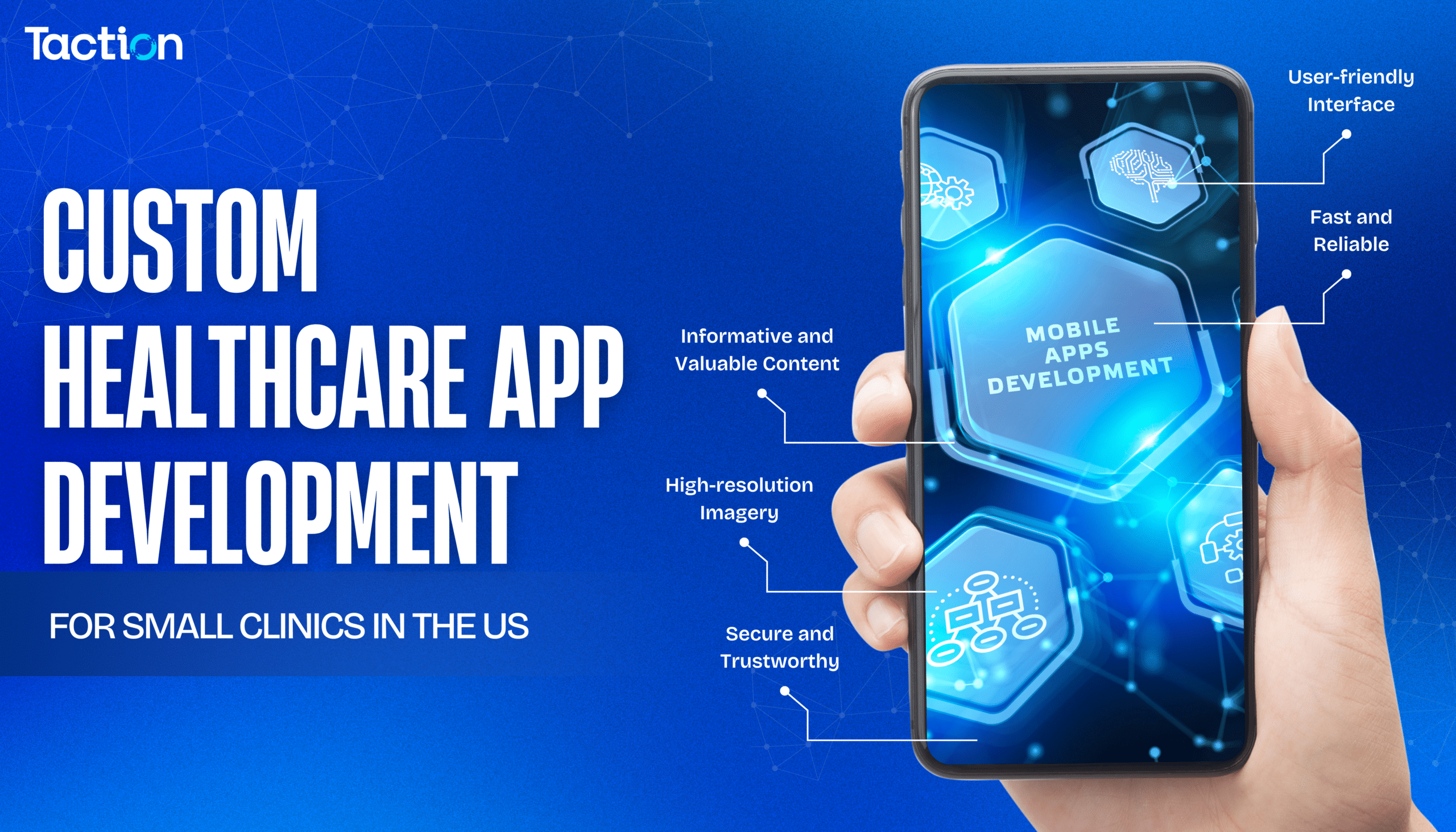
Custom Healthcare App Development for Small Clinics in US Small clinics in the United States often face challenges such as limited resources, manual workflows, and growing patient demands. Custom healthcare app development offers a game-changing solution tailored to meet these specific needs. By incorporating features like appointment scheduling, patient management, EHR integration, and secure telemedicine options, these apps empower small clinics to improve efficiency, enhance patient care, and stay compliant with regulations like HIPAA.Unlike off-the-shelf solutions, custom healthcare apps are designed with the unique workflows of small clinics in mind. They address key operational challenges while offering scalability for future growth. Moreover, emerging technologies such as AI, IoT, and blockchain further enhance the potential of these apps, ensuring they remain relevant and impactful in a rapidly evolving healthcare landscape.Taction Software specializes in delivering custom healthcare app development for small clinics in the US, offering tailored solutions that streamline operations, boost patient satisfaction, and drive long-term success. Let us help your clinic embrace the digital transformation and thrive in today’s competitive healthcare environment. Why Small Clinics in the US Need Custom Healthcare Apps In the competitive healthcare landscape, small clinics often struggle to keep up with the growing demands of patients and the complexities of administrative tasks. Custom healthcare apps provide tailored solutions that address these unique challenges, empowering small clinics to thrive in a digital-first world. Challenges Faced by Small Clinics Without Technology Without access to the latest technological solutions, small clinics have a difficult road ahead. This lack of technology means that processes such as scheduling appointments and patient records are done manually, leading to errors and inefficiencies. Poor communication between patients and staff leads to unsatisfied customers. Without access to real-time data and analytics, it is difficult to make effective decisions. Furthermore, strict regulations such as HIPAA become harder to follow without advanced tools for protecting patient data. The Role of Custom Apps in Overcoming These Challenges Custom healthcare apps are designed specifically for small clinics to address these pain points. These apps automate administrative workflows, such as scheduling and billing, reducing the likelihood of errors and freeing up staff to focus on patient care. They also enable seamless communication between clinics and patients through secure messaging and notifications, improving engagement and satisfaction. Features like real-time data tracking and reporting allow clinics to make data-driven decisions, ensuring better resource allocation and patient outcomes. Furthermore, custom apps are built with HIPAA-compliant frameworks, ensuring the highest standards of data security and regulatory adherence. By investing in custom healthcare apps, small clinics can not only overcome operational inefficiencies but also enhance the quality of care they provide, ensuring long-term success in a competitive healthcare environment. Power your growth through Software Engineering of America solutions designed for scale and security. Key Features of Custom Healthcare App Development for Small Clinics in US Custom healthcare apps for small clinics are designed to address their specific operational needs, enhance patient care, and ensure regulatory compliance. These apps are equipped with a variety of features that streamline processes and create a seamless healthcare experience for both patients and providers. Below are the key features that make custom apps indispensable for small clinics. Appointment Scheduling and Patient Management Efficient appointment scheduling is critical for small clinics to optimize their resources and reduce patient wait times. Custom healthcare apps allow clinics to offer online booking options, automated reminders, and real-time availability updates. These features minimize scheduling conflicts and no-shows, saving time for both staff and patients. Patient management tools also enable clinics to store and organize patient profiles, medical histories, and visit records in a centralized system, ensuring quick and easy access for healthcare providers. Electronic Health Records (EHR) Integration Integrating electronic health records into custom healthcare apps provides a unified platform for managing patient data. This feature eliminates the need for manual record-keeping and ensures accurate, up-to-date information at all times. With EHR integration, small clinics can streamline workflows, reduce paperwork, and improve collaboration among healthcare providers. It also enhances decision-making by giving clinicians instant access to patient histories, lab results, and treatment plans. Secure Communication Channels for Patient Interaction Custom apps provide HIPAA-compliant secure communication channels that facilitate seamless interaction between patients and clinics. Features such as in-app messaging, email notifications, and video conferencing ensure that patients can easily reach out to their healthcare providers. These tools enhance patient engagement and satisfaction while maintaining the confidentiality of sensitive medical information. Telemedicine Features for Remote Consultations Telemedicine has become a cornerstone of modern healthcare, and small clinics can benefit significantly from incorporating this feature into their custom apps. Telemedicine enables clinics to offer remote consultations through video calls, making healthcare accessible to patients who cannot visit in person. This feature is especially valuable for managing follow-ups, chronic conditions, or rural patients who face geographical barriers. Telemedicine not only improves patient convenience but also expands the clinic’s reach, enhancing its service offerings. By incorporating these key features, custom healthcare apps transform the way small clinics operate, empowering them to deliver efficient, patient-centered care while remaining competitive in the digital healthcare landscape. Benefits of Custom Healthcare Apps for Small Clinics Custom healthcare apps offer transformative benefits that address the specific needs of small clinics, enabling them to operate more efficiently and provide superior patient care. These apps bridge the gap between advanced healthcare technology and accessible, practical solutions for clinics with limited resources. Here’s how they can make a difference: Streamlining Daily Operations Managing daily operations manually can be time-consuming and error-prone. Custom healthcare apps automate critical tasks like appointment scheduling, billing, and inventory management, freeing up staff to focus on patient care. Features such as real-time updates, workflow automation, and analytics tools allow clinics to operate more efficiently, reducing delays and improving overall productivity. These operational efficiencies not only save time but also help clinics manage resources more effectively, leading to cost savings. Enhancing Patient Engagement and Satisfaction Patient engagement is key to the success of any healthcare practice, and custom apps provide tools that enhance