
Healthcare App Development The healthcare industry is evolving rapidly, with technology playing a pivotal role in enhancing efficiency, accessibility, and quality of care. Among these advancements, healthcare app development has emerged as a transformative tool, offering innovative solutions to longstanding challenges. These applications bridge the gap between healthcare providers and patients, streamline administrative processes, and empower individuals to take control of their health. The Importance of Healthcare App Development Healthcare app development has moved beyond being a convenience; it has become a necessity. These apps cater to a wide range of needs, from chronic disease management to telehealth consultations, making healthcare more accessible and efficient. Key Advantages of Healthcare Apps: Accessibility: Telemedicine and mobile health apps bring healthcare to remote areas, ensuring no one is left behind. Personalized Care: AI-powered apps offer tailored health insights and recommendations based on patient history. Cost Reduction: By reducing unnecessary visits and automating administrative tasks, healthcare apps save money for providers and patients alike. Real-Time Monitoring: Wearables and connected devices provide continuous health tracking, enabling early detection of issues. Patient Empowerment: Apps encourage users to engage actively in their health by providing easy access to information and tools. Types of Healthcare Apps: Telemedicine Apps: Enable virtual consultations and follow-ups. Lifestyle and Wellness Apps: Focus on fitness, diet, and mental well-being. Chronic Disease Management: Assist in monitoring conditions like diabetes, hypertension, or asthma. Electronic Health Record (EHR) Integration: Provide secure access to patient records for both users and providers. Healthcare Provider Apps: Help professionals manage appointments, prescriptions, and patient communication. Emerging Trends in Healthcare App Development Healthcare app development is evolving at an unprecedented pace. Technological advancements and changing user expectations are driving innovation in this field. 1. Artificial Intelligence and Machine Learning AI and ML have found a prominent place in healthcare apps. From predictive diagnostics to virtual health assistants, AI is enabling smarter, faster, and more accurate healthcare solutions. Example: Apps that analyze symptoms using AI to suggest potential conditions. Benefit: Reduced diagnostic errors and enhanced patient engagement. 2. Telemedicine Growth The COVID-19 pandemic accelerated the adoption of telemedicine. Healthcare apps now integrate telehealth services, allowing patients to consult doctors, obtain prescriptions, and access care from the comfort of their homes. Example: Apps offering video consultations with licensed physicians. Benefit: Improved access to care for remote or immobile patients. 3. Integration with Wearables Wearable technology such as fitness trackers and smartwatches sync with healthcare apps to monitor vital signs like heart rate, sleep patterns, and activity levels. Example: Apps analyzing data from devices like Fitbit or Apple Watch. Benefit: Early detection of abnormalities and continuous health tracking. 4. Blockchain for Data Security With increasing concerns about data breaches, blockchain technology ensures the secure management of sensitive health information. It provides decentralized, tamper-proof records. Example: Blockchain-based apps for managing medical records. Benefit: Enhanced trust and compliance with privacy regulations like HIPAA. 5. Patient-Centered Design Modern healthcare apps prioritize user experience (UX). Simple, intuitive interfaces and personalized content encourage greater user adoption. Challenges in Healthcare App Development Despite its potential, healthcare app development faces significant challenges that require careful consideration: 1. Regulatory Compliance Developers must navigate a complex web of regulations, including HIPAA (U.S.), GDPR (Europe), and other regional laws. 2. Data Security and Privacy Handling sensitive health information demands robust encryption, secure data storage, and transparency in data usage. 3. Integration with Legacy Systems Many healthcare providers still rely on outdated software systems, making integration difficult. 4. User Adoption Healthcare apps must cater to a diverse audience with varying levels of tech literacy. Poor design or complicated features can deter users. 5. Costs of Development Building a high-quality healthcare app requires significant investment in development, testing, and compliance. Healthcare App Development in Chicago Chicago has established itself as a major player in the healthcare app development landscape. With a robust healthcare system and a thriving tech community, the city offers an ideal environment for innovation. Why Chicago Excels in Healthcare App Development: Strong Medical Institutions: World-renowned hospitals like Northwestern Memorial Hospital and Rush University Medical Center drive demand for advanced digital solutions. Tech Talent: Chicago’s diverse workforce includes top-tier software developers, data scientists, and healthcare professionals. Startup Ecosystem: Innovation hubs like MATTER provide resources for health-tech startups, fostering collaboration between developers, providers, and investors. Diverse Demographics: The city’s multicultural population encourages the creation of inclusive and versatile apps. Local Success Stories: Tempus: A Chicago-based company using AI to personalize cancer treatment. Livongo: A digital health platform for managing chronic conditions, with deep roots in Chicago’s healthcare tech community. Key Focus Areas in Chicago: Telemedicine Expansion: Apps focusing on virtual care for underserved urban populations. Data-Driven Insights: AI-powered tools to analyze patient data for improved treatment outcomes. Healthcare App Development in Texas Texas is emerging as a leading hub for healthcare innovation, driven by its vast healthcare market and supportive policies. Why Texas is a Key Player: Massive Healthcare Network: Home to institutions like Baylor College of Medicine and MD Anderson Cancer Center. Tech-Friendly Policies: Texas offers funding initiatives and regulatory clarity that encourage healthcare app development. Diverse Needs: A mix of urban and rural populations creates a demand for varied app functionalities. Telehealth Leadership: Texas has been a pioneer in adopting telemedicine, paving the way for robust healthcare apps. Texas-Specific Innovations: Rural Health Solutions: Apps designed to bring medical care to remote areas. Veteran Support: Apps catering to the state’s large veteran population, focusing on mental health and rehabilitation services. Mental Health Apps: Platforms offering counseling and therapy sessions via secure channels. Local Success Stories: Teladoc Health: A telemedicine giant headquartered in Texas. Everlywell: A health app offering at-home lab testing kits, based in Austin. The Future of Healthcare Apps Healthcare apps will continue to evolve, driven by emerging technologies and shifting patient needs. Here are some anticipated trends: Augmented Reality (AR): Apps could use AR for virtual training, remote surgery assistance, or even patient education. 5G Connectivity: Faster internet speeds will enhance the quality of telemedicine consultations and enable real-time data sharing.
The Best Telemedicine Platforms of 2024 Telemedicine has revolutionized healthcare by offering patients easy, remote access to medical professionals. From routine check-ups to chronic disease management and mental health services, telemedicine provides a convenient, efficient solution for both patients and healthcare providers. But what if the perfect platform for your specific needs doesn’t exist yet? Instead of adapting to a one-size-fits-all solution, why not build a custom telemedicine platform tailored to your exact requirements? At Taction Software, we specialize in creating custom telemedicine platforms that empower healthcare providers, organizations, and businesses to deliver top-notch virtual care. This guide will help you understand the benefits of telemedicine, explore the best existing platforms, and discover why building a custom platform with us could be your best investment. Key Features to Consider in a Telemedicine Platform When selecting a telemedicine platform, it’s crucial to understand the features that matter most for your practice or organization. Whether you opt for a pre-built solution or consider creating a custom platform withTaction Software, here are the essential features to keep in mind: Ease of Use: Patients and providers need a simple, intuitive interface. Security and Privacy: Your platform must be HIPAA-compliant to protect sensitive health information. Integration with EHR: Seamlessly integrate your existing Electronic Health Record systems. Availability of Specialists: Access to various specialists is a must for comprehensive care. Cost and Insurance Compatibility: A system that works with insurance plans is vital for affordability. Mobile App Access: Patients today demand mobile access to healthcare. At Taction Software, we ensure that every custom platform we build is optimized for these features, giving you full control over how your system works for your practice. Top Telemedicine Platforms in 2024 Below are some of the top telemedicine platforms on the market today. These are great solutions for general use, but if you want something tailored to your specific needs, our custom telemedicine solutions offer greater flexibility and control. 1. Teladoc Health Teladoc Health is one of the most well-known telemedicine platforms, offering access to healthcare professionals 24/7. It’s ideal for those seeking a broad range of services from general health to dermatology and mental health. Why You May Consider a Custom Alternative: While Teladoc offers a wide range of services, it may not cater specifically to your practice’s unique needs or branding. By working with Taction Software, we can create a platform that’s fully personalized to you and your patients, enhancing both engagement and satisfaction. 2. Amwell Amwell provides high-quality video conferencing and on-demand access to doctors and specialists. It’s great for urgent care consultations and offers broad insurance compatibility. Why Build Your Own?: Custom platforms built by Taction Software allow you to integrate unique features, tailor workflows, and ensure complete control over patient data—something you can’t always achieve with pre-built options like Amwell. 3. MDLive MDLive is known for affordability and quick access to healthcare providers. It’s best for non-emergency consultations in primary care, dermatology, and mental health. Why Go Custom?: While MDLive focuses on affordability, you can build a custom telemedicine platform with us that strikes the right balance between cost efficiency and feature depth, all while staying completely aligned with your organizational needs. 4. Doctor on Demand Doctor on Demand is excellent for urgent care, mental health services, and preventive care. It operates on a pay-per-visit model with no membership requirements. Why Choose a Custom Platform with Taction Software?: With a custom solution, you can implement unique pay models, cater to different patient types, and create a user-friendly interface that represents your brand. You’re not restricted by a one-size-fits-all approach. 5. Doxy.me Doxy.me is a browser-based telemedicine solution designed for independent healthcare practitioners. It’s free with basic features and offers HIPAA-compliant video consultations. Why Build Your Own Platform?: For independent healthcare providers, we offer affordable custom solutions that include advanced features, full branding, and the ability to scale as your practice grows. 6. MyTelemedicine MyTelemedicine is a cloud-based platform that offers phone and video consultations, often used by companies providing telehealth benefits to employees. Custom Solutions for Businesses: If your company offers employee telehealth benefits, our custom platform development can create a seamless, branded experience that integrates directly into your existing employee systems. Why Build Your Own Custom Telemedicine Platform? While pre-built telemedicine platforms offer convenience, they often don’t cater to the specific needs of healthcare providers or organizations. Here’s why a custom telemedicine platform, built by Taction Software, could be the best decision for your organization. Specific Business Needs Off-the-shelf platforms are designed for general use, but your practice or business might have unique requirements. Whether it’s integrating specialized diagnostic tools, automating specific workflows, or offering niche services, a custom platform ensures that you get precisely what you need. At Taction Software, we work closely with you to understand your unique needs and build a platform that enhances both efficiency and patient satisfaction. Branding and Personalization Pre-built solutions often don’t allow for customization in terms of branding or user experience. With a custom platform, you have the opportunity to fully brand your telemedicine system, creating a seamless experience for your patients that reinforces trust and loyalty. Let Taction Software help you create a platform that reflects your practice’s identity, providing a professional, branded telemedicine service. Integration with Existing Systems Most healthcare providers already have systems like Electronic Health Records (EHR), billing software, and scheduling tools in place. Our custom telemedicine platforms integrate effortlessly with your existing systems, ensuring smooth, uninterrupted service for both patients and staff. Scalability A custom telemedicine platform can grow with your business. Whether you’re expanding your services, adding new providers, or reaching new markets, Taction Software can build a platform that scales with your needs. Enhanced Security and Privacy Security and patient privacy are non-negotiable in healthcare. By building a custom platform, you can implement advanced security measures that meet all compliance standards, such as HIPAA. With Taction Software, you’ll have the peace of mind that your platform is secure and compliant. Advantages of Building a Custom Telemedicine Platform
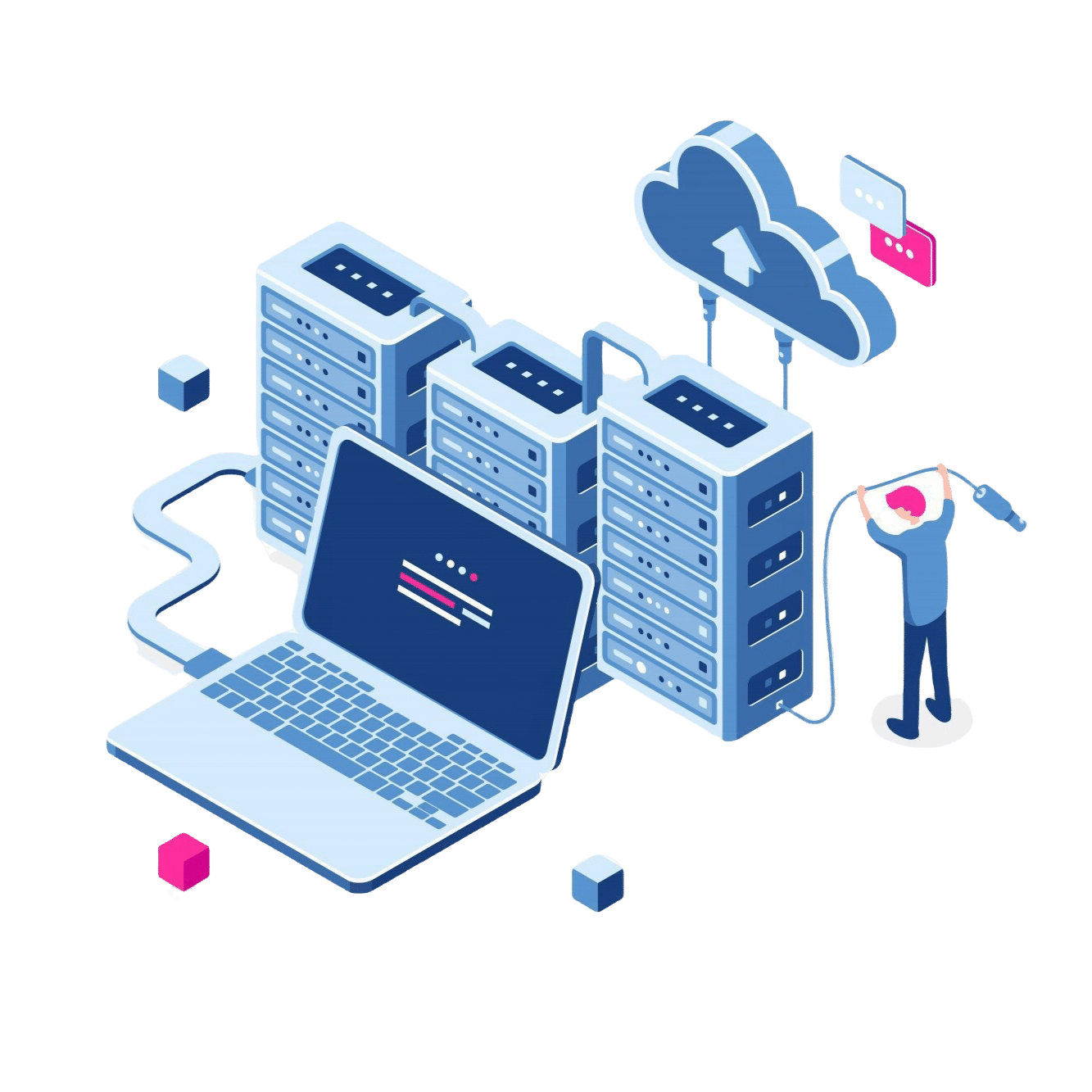
An open source HL7 interface engine is middleware that routes, transforms, and exchanges healthcare messages (HL7 v2, FHIR, CCDA, X12) between systems like EHRs, labs, and pharmacies — without licensing fees. The most important 2026 update: Mirth Connect is no longer fully open source — NextGen moved it to a proprietary license at version 4.6, making 4.5.2 the last free open-source release. The leading genuinely open-source options now are the community forks BridgeLink (Innovar Healthcare) and Open Integration Engine, alongside the HAPI Java libraries for HL7 v2 and FHIR. Below we compare them and explain how to choose. Open source HL7 interface engine software has become an essential resource for healthcare organizations to store, manage, and exchange electronic medical records (EMRs) and health information. As demand for electronic data exchange grows, more open-source HL7 engine options have appeared — but the landscape shifted meaningfully in 2025–2026. This guide reviews the leading options, reflects the latest licensing changes, and helps you choose one for your EMR integration process. When working with these engines, understanding message structures like ADT helps; see our guide to HL7 ADT message structure. Important 2026 Update: The Mirth Connect License Change For years, Mirth Connect was the default open-source HL7 interface engine. That changed: NextGen Healthcare transitioned Mirth Connect to a single, closed-source proprietary model at version 4.6, with version 4.5.2 being the last freely available open-source release. In response, the community produced two open-source forks that continue from the 4.5.2 codebase: What this means for you: if you’re starting fresh and require genuinely open-source software (no licensing fees, full code control), evaluate BridgeLink or Open Integration Engine rather than current Mirth Connect. If you already run Mirth Connect ≤ 4.5.2, you can stay on the open-source release, migrate to a fork, or move to NextGen’s licensed product — each has trade-offs worth scoping before you decide. Running Mirth Connect and unsure what the license change means for you? Talk to our HL7 integration team — we help organizations evaluate staying, forking, or migrating, and we build and support Mirth Connect integrations. What Is an HL7 Interface Engine? An HL7 interface engine is software healthcare organizations use to organize, store, and transfer electronic medical records and health information between systems — hospitals, laboratories, pharmacies, and insurers. It centralizes message routing, data transformation, and protocol conversion, connecting HL7 v2 and v3 messages with FHIR APIs, JSON, XML, and other formats. The result is efficient, reliable data exchange with fewer manual errors. Why Use an Open Source HL7 Integration Engine? Open-source HL7 engines offer several advantages: The trade-offs to weigh: open source typically means self-managed hosting, security, and upgrades; community support rather than guaranteed SLAs; and the in-house (or partner) expertise required to build and maintain interfaces. For mission-critical, multi-facility environments, many organizations pair an open-source engine with a specialist implementation partner, or evaluate commercial engines. Comparison of Open Source HL7 Interface Engines (2026) Engine Type License status (2026) Best for Mirth Connect (≤ 4.5.2) Full integration engine Last free open-source version; 4.6+ is proprietary Existing deployments staying on the open release BridgeLink Full integration engine (Mirth fork) Open source (Innovar Healthcare) Teams wanting a maintained open-source Mirth successor Open Integration Engine (OIE) Full integration engine (Mirth fork) Open source (community-governed) Teams wanting community-governed open source HAPI HL7v2 Java library / API Open source Developers embedding HL7 v2 parsing in custom apps HAPI FHIR FHIR server / Java library Open source (Smile CDR) FHIR APIs and FHIR data storage (not a v2 routing engine) Commercial alternatives for large, multi-site health systems — Rhapsody, Infor Cloverleaf, Corepoint, Iguana, and InterSystems Ensemble/HealthShare — offer enterprise support, SLAs, and deeper FHIR/cloud capabilities at a licensing cost. Leading Open Source HL7 Engines in Detail Mirth Connect (and its open-source forks) Mirth Connect is the best-known open-source HL7 interface engine — flexible, scalable, and supporting HL7, FHIR, DICOM, X12, XML, and more, with an accessible channel-based UI for building and editing interfaces. Note the 2026 license change above: the freely available open-source line ends at 4.5.2, with BridgeLink and Open Integration Engine carrying the open-source codebase forward. If open source is a hard requirement, evaluate the forks; if you want vendor support, evaluate NextGen’s licensed Mirth. BridgeLink An open-source fork of Mirth Connect maintained by Innovar Healthcare, BridgeLink continues the open-source lineage with the same channel-based approach Mirth users know — a strong option for teams that want to stay open source without re-platforming. Open Integration Engine (OIE) A community-governed open-source fork of Mirth Connect, OIE appeals to organizations that prefer community stewardship and want to avoid single-vendor control of the codebase. HAPI HL7v2 HAPI HL7v2 is a widely used open-source Java library for parsing, encoding, and working with HL7 v2 messages. Important distinction: HAPI is a developer library/API, not a full routing-and-transformation integration engine in the Mirth sense — it’s ideal when you’re embedding HL7 v2 handling directly into a custom application rather than running a standalone interface engine. HAPI FHIR HAPI FHIR (maintained by Smile CDR) is an open-source FHIR server and Java library — the go-to for building FHIR APIs and FHIR-native data storage. Like HAPI HL7v2, it’s a library/server rather than a v2 message-routing engine, so it’s complementary to, not a replacement for, an interface engine. How to Choose the Right Open Source HL7 Engine How Taction Software Helps with HL7 Integration Taction Software has delivered 200+ healthcare integrations and provides Mirth Connect development and consulting, HL7 v2 and FHIR interface engineering, and EHR integration across Epic, Cerner-Oracle, and others. With the Mirth Connect license change creating real decisions for healthcare organizations, we help teams: Need help choosing or implementing an HL7 interface engine? Get a free consultation → Frequently Asked Questions Is Mirth Connect still open source in 2026? Not fully. NextGen moved Mirth Connect to a closed-source proprietary license at version 4.6; version 4.5.2 was the last freely available open-source release. Two open-source forks — BridgeLink (Innovar Healthcare) and Open Integration Engine (community-governed) — continue the open-source

Salesforce Sales Cloud is a robust CRM platform designed to help businesses manage their sales processes more efficiently. It’s part of the larger Salesforce ecosystem, which is known for its extensive suite of tools aimed at improving various aspects of business operations, from marketing to customer service. The primary goal of Salesforce Sales Cloud is to enable sales teams to close deals faster and more effectively. It achieves this by providing a comprehensive view of customer interactions, automating routine tasks, and offering insightful analytics to guide decision-making. Get Started with Salesforce Sales Cloud Today Why Salesforce Sales Cloud? If you’re looking for a CRM that can transform the way your sales team operates, Salesforce Sales Cloud is worth considering. The platform is not only feature-rich but also highly customizable, allowing businesses to tailor it to their specific needs. Moreover, Salesforce’s reputation as a leader in the CRM space adds a layer of credibility that is hard to overlook. With Salesforce Sales Cloud, businesses can expect a significant boost in sales productivity, thanks to its intuitive interface, powerful automation tools, and seamless integration capabilities. But what exactly makes Salesforce Sales Cloud stand out? Key Features of Salesforce Sales Cloud Salesforce CRM Integration One of the standout features of Salesforce Sales Cloud is its deep integration with the broader Salesforce CRM ecosystem. This allows businesses to access a 360-degree view of their customers, ensuring that every interaction is informed by comprehensive data. Whether it’s past purchases, communication history, or customer preferences, everything is at your fingertips. Sales Process Automation Manual tasks can slow down your sales team and lead to inefficiencies. Salesforce Sales Cloud automates routine sales activities, such as follow-up emails, task assignments, and data entry. This not only saves time but also reduces the risk of human error. Opportunity Management Tracking opportunities is crucial for closing deals. Salesforce Sales Cloud offers a robust opportunity management system that lets sales teams monitor the progress of deals in real-time. With features like opportunity scoring and forecasting, sales reps can prioritize their efforts and focus on deals that are most likely to close. Contact and Account Management Managing contacts and accounts is a breeze with Salesforce Sales Cloud. The platform provides a centralized repository for all customer information, making it easy to keep track of key details and interactions. Sales reps can quickly access customer profiles, view communication history, and even collaborate with other team members. Mobile Accessibility In today’s mobile-first world, having access to your CRM on the go is essential. Salesforce Sales Cloud offers a mobile app that ensures your sales team can stay productive, whether they’re in the office or out in the field. The app provides real-time updates, task notifications, and access to customer data, all from the convenience of a smartphone or tablet. Salesforce Sales Cloud Benefits Improved Sales Efficiency Salesforce Sales Cloud is designed to streamline the sales process, reducing the time it takes to move from lead to close. By automating repetitive tasks and providing actionable insights, sales teams can focus on what they do best—selling. Enhanced Customer Insights With Salesforce Sales Cloud, businesses have access to a wealth of customer data. This allows for more personalized interactions, better targeting, and ultimately, higher conversion rates. The platform’s analytics tools also help sales managers identify trends and areas for improvement. Increased Collaboration Salesforce Sales Cloud fosters collaboration by providing a centralized platform where sales teams can share information, track progress, and work together on deals. Features like Chatter allow for real-time communication, ensuring that everyone is on the same page. Scalability and Customization As your business grows, so too can your Salesforce Sales Cloud instance. The platform is highly scalable, with the ability to add new features, users, and integrations as needed. Moreover, Salesforce’s customization options mean that businesses can tailor the CRM to their specific workflows and requirements. How to Get Started with Salesforce Sales Cloud Setting Up Your Salesforce Account The first step in leveraging Salesforce Sales Cloud is setting up your account. Salesforce offers a variety of plans to choose from, depending on your business needs. Once your account is set up, you can begin customizing your dashboard, setting up user roles, and importing your existing data. Customizing the Sales Process Salesforce Sales Cloud offers a highly customizable sales process. You can tailor the stages of your sales pipeline to match your business model, ensuring that your team follows a consistent process from lead generation to closing deals. Integrating with Other Tools Salesforce Sales Cloud integrates seamlessly with a variety of other tools, including email marketing platforms, customer service software, and analytics tools. This integration ensures that all aspects of your customer interactions are captured and accessible in one place. Salesforce Sales Cloud Pricing Salesforce Sales Cloud offers several pricing tiers to accommodate businesses of all sizes. The pricing structure is based on the number of users and the features included. While the cost may seem high compared to other CRMs, the return on investment often justifies the expense, given the platform’s comprehensive capabilities. Salesforce Sales Cloud Best Practices Utilize Sales Cloud Analytics Salesforce Sales Cloud comes with powerful analytics tools that can provide valuable insights into your sales performance. Regularly reviewing these analytics can help you identify trends, spot potential issues, and make data-driven decisions. Leverage Automation Tools Automation is one of the key benefits of Salesforce Sales Cloud. By fully leveraging the platform’s automation capabilities, you can ensure that your sales team is working as efficiently as possible, focusing their efforts where it matters most. Regular Training and Updates To get the most out of Salesforce Sales Cloud, it’s important to invest in regular training for your sales team. Salesforce frequently updates its platform with new features and improvements, so staying up-to-date is crucial for maintaining a competitive edge. Common Challenges and Solutions Data Migration Migrating data from an existing CRM to Salesforce Sales Cloud can be challenging. To minimize disruptions, it’s important to plan your migration carefully, ensuring that data
Top Healthcare Software Development Company A rapidly growing hub for technology and innovation, healthcare software development is entering a transformative era. The demand for advanced, reliable, and secure healthcare software is at an all-time high. Healthcare organizations are constantly seeking to improve patient outcomes, streamline operations, and ensure compliance with regulatory standards. In this environment, finding the top healthcare software development company in Ashburn, Virginia becomes a crucial step for providers aiming to stay ahead in the digital age. The Importance of Healthcare Software in Modern Medicine Healthcare software is essential in today’s medical ecosystem, serving as the foundation for efficient and compliant care delivery. From managing patient records and scheduling appointments to maintaining HIPAA compliance, these systems streamline operations and reduce administrative burdens. Beyond efficiency, healthcare software enhances patient outcomes by providing real-time data access, improving care coordination, and facilitating seamless communication among healthcare professionals—making it indispensable for modern medical practices. Why Choose a Local Software Development Company? Partnering with a local healthcare software development company offers distinct advantages. Local teams have a deep understanding of regional healthcare needs, state-specific regulations, and market dynamics, enabling them to deliver solutions that truly fit your organization. Proximity also enhances collaboration, communication, and responsiveness, allowing for faster updates, on-site support, and a more personalized development experience—critical factors in building reliable, compliant, and high-performing healthcare software. A leading healthcare software development company in Ashburn combines technical excellence with a deep understanding of the local healthcare ecosystem. This unique blend ensures that every solution is innovative, secure, and fully aligned with the needs of Ashburn’s hospitals, clinics, and healthcare startups. By integrating local compliance standards, workflow requirements, and patient care goals, these companies deliver tailored healthcare software solutions that drive efficiency, improve outcomes, and support sustainable digital transformation. Key Services Offered by the Top Healthcare Software Development Company in Ashburn The top healthcare software development company in Ashburn provides a wide range of services tailored to the diverse needs of healthcare providers. These services include: Electronic Health Records (EHR) Systems: EHR systems form the backbone of modern healthcare by enabling smooth management of patient records, improving documentation accuracy and efficiency. Leading development companies in Ashburn create customized, secure, and user-friendly EHR solutions that fully comply with healthcare industry standards. Telemedicine Solutions: Telemedicine has transformed healthcare delivery, making care more accessible and convenient. A top software development company in Ashburn builds robust telemedicine platforms that support virtual consultations, remote monitoring, and secure patient communication. Patient Management Systems: Effective patient management is vital for every healthcare provider. The best companies in Ashburn develop comprehensive patient management systems that streamline scheduling, billing, and communication, improving overall patient satisfaction and operational flow. Healthcare Analytics: Data-driven insights are key to improving care and performance. The top healthcare software development companies in Ashburn deliver advanced analytics solutions that help providers enhance patient outcomes, operational efficiency, and financial performance. Mobile Health Applications: With the growing reliance on smartphones, mobile health apps have become essential for both patients and providers. Leading Ashburn-based software companies develop intuitive, secure mobile applications that allow patients to manage their health conveniently anytime, anywhere. The Competitive Edge of Ashburn’s Top Healthcare Software Development Company In a competitive market, what distinguishes the top healthcare software development company in Ashburn is not only its technical proficiency but also its comprehensive approach to healthcare software development. The following are the key factors that give these companies their competitive advantage: Innovation: Leading companies continually redefine what’s possible in healthcare software. They stay ahead of industry trends and use emerging technologies like AI and machine learning to develop cutting-edge, future-ready solutions. Customization: In healthcare, no single solution fits all. The top healthcare software development companies in Ashburn provide customized software tailored to the specific requirements of each healthcare provider. Compliance: Compliance is crucial in the healthcare industry. The best companies ensure their software fully adheres to HIPAA and other regulatory standards, safeguarding patient data and maintaining legal integrity. Customer Support: Reliable technical support is essential. The top firms in Ashburn deliver exceptional customer service, resolving issues promptly to ensure uninterrupted healthcare operations. Local Expertise: Operating in Ashburn gives these companies a unique edge. Their in-depth understanding of the local healthcare landscape allows them to design solutions that effectively address the needs of providers in the region. Success Stories: How Ashburn’s Top Healthcare Software Development Company Is Making a Difference The top healthcare software development company in Ashburn boasts a proven record of success and client satisfaction. For instance, the company has helped local clinics streamline operations through customized EHR systems, enabling them to serve more patients efficiently while reducing administrative workloads. In another case, they developed a telemedicine platform that empowered a regional healthcare provider to expand access to rural communities, significantly improving care availability for underserved populations. These achievements highlight the company’s ability to deliver high-quality, impactful healthcare software solutions that truly enhance both patient experiences and provider efficiency across the Ashburn healthcare landscape. Choosing the Right Healthcare Software Development Partner in Ashburn When selecting a healthcare software development partner, it’s crucial to evaluate factors such as a proven track record, a comprehensive range of services, and a strong focus on innovation and compliance. The top healthcare software development company in Ashburn meets all these criteria, making it the perfect partner for healthcare providers seeking to optimize operations, enhance efficiency, and improve patient care through advanced digital solutions. In conclusion, Ashburn has emerged as one of the nation’s most dynamic hubs for healthcare software development and innovation. Partnering with the top healthcare software development company in Ashburn ensures that healthcare providers invest in cutting-edge, customized software solutions built to meet their unique operational and clinical needs. Whether implementing a new EHR system, expanding telemedicine services, or leveraging healthcare analytics for deeper insights, the right technology partner can make a measurable difference. As healthcare continues to evolve, so must the software that supports it. By collaborating with Ashburn’s leading healthcare software developers, providers can stay ahead of industry changes, embrace
Leading Software Development Company Specializing in Custom Solutions At Taction Software, we pride ourselves on being a top-tier software development company that excels in offering custom software solutions. Our primary goal is to provide secure, seamless applications that meet the specific needs of our clients, especially those in the medical field. With our expertise and commitment to excellence, we have established ourselves as a trusted partner for businesses in Chicago looking to enhance their operational efficiency and overall business performance. Understanding Custom Software Development for Enhanced Functionality Custom software development involves creating tailored applications that are specifically designed to meet the unique needs of a business. Unlike off-the-shelf software, custom solutions are built from the ground up to address the specific requirements and challenges of an organization. At Taction Software, our custom software development process includes extensive consultation with our clients to understand their objectives, workflow, and any particular requirements they might have. This ensures that the final product is perfectly aligned with the business’s goals and enhances its operational efficiency. Driving Business Performance Improvement through Tailored Software One of the key benefits of opting for custom software development by Taction Software is the substantial improvement in business performance. Custom software is designed to streamline operations, reduce inefficiencies, and enhance overall productivity. Our solutions integrate seamlessly with existing systems, providing a cohesive and efficient workflow. By automating routine tasks, minimizing errors, and providing actionable insights through robust data analytics, our custom software solutions enable businesses to operate more effectively and make data-driven decisions. Expert Software Development in Chicago for Local Businesses As a premier software development company based in Chicago, Taction Software is uniquely positioned to serve local businesses with tailored software solutions. We understand the specific needs and challenges faced by businesses in this dynamic city. Our team of experienced developers is dedicated to providing high-quality software solutions that not only meet but exceed the expectations of our clients. By choosing a local partner like Taction Software, businesses in Chicago can benefit from reliable, efficient, and personalized service. Comprehensive Chicago Software Development Services At Taction Software, we offer a wide range of software development services designed to cater to the diverse needs of businesses in Chicago. Our services include custom software development, web application development, mobile app development, and software maintenance and support. Each project is approached with a focus on quality, security, and scalability, ensuring that our clients receive robust and reliable solutions. Our team utilizes the latest technologies and industry best practices to deliver cutting-edge software that drives business growth. Exploring the Benefits of Custom Software The advantages of custom software development are numerous and can significantly impact a business’s overall performance. Custom software is tailored to fit the exact processes and needs of the business, leading to greater efficiency and user satisfaction. Additionally, it offers increased security, as it is designed with the specific requirements and vulnerabilities of the business in mind. Custom software is also highly scalable, meaning it can evolve alongside the business as it grows and its needs change. By investing in custom software, businesses can achieve a competitive edge through improved operations and enhanced customer experiences. Innovative Chicago Software Solutions for Modern Businesses In today’s fast-paced business environment, having innovative software solutions is crucial for staying ahead of the competition. Taction Software is dedicated to providing Chicago businesses with state-of-the-art software that addresses modern challenges and opportunities. Our Custom solutions are designed to be intuitive, user-friendly, and aligned with the latest trends in technology. Whether it’s developing a new application or enhancing an existing system, we ensure that our clients have the tools they need to succeed in the digital age. Customized Software Solutions for Medical Professionals For healthcare providers, having reliable and efficient software is essential for delivering high-quality patient care. Taction Software specializes in creating customized software solutions for medical professionals that streamline operations, enhance patient management, and ensure compliance with industry regulations. Our solutions are designed to improve communication, reduce administrative burdens, and provide healthcare providers with the tools they need to focus on what matters most – their patients. By leveraging our expertise in custom software development, medical professionals in Chicago can enhance their practice and deliver better outcomes. Turn Your Vision Into Reality. Contact Us For A Free Quote. From concept to code, we’re your software development co-pilot. Start a Conversation
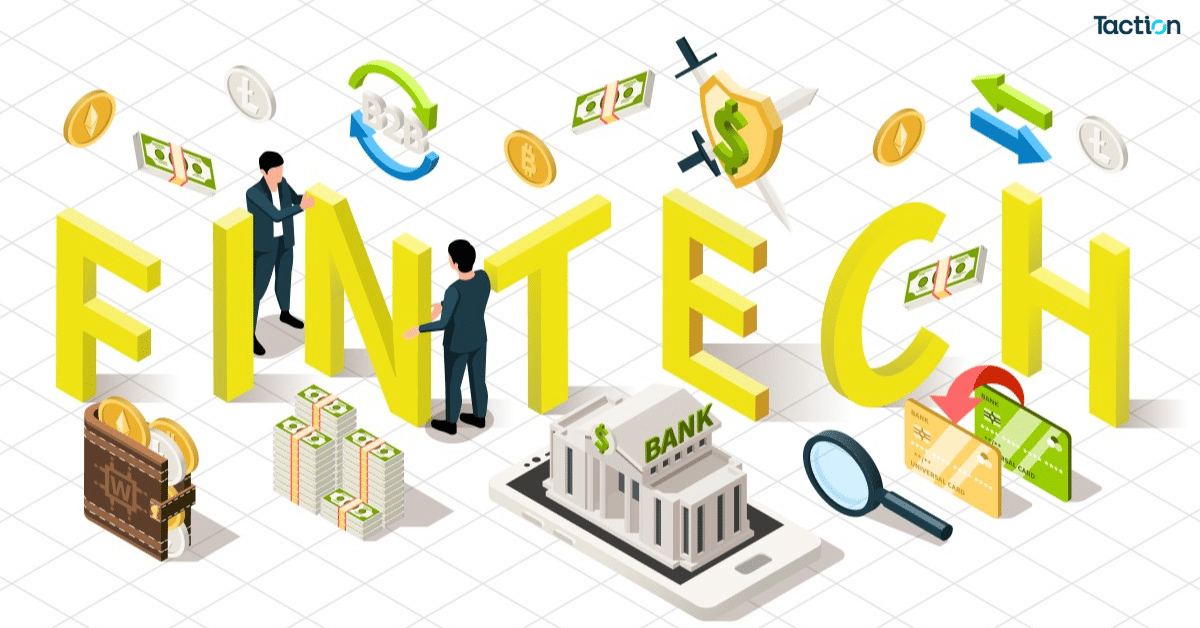
Fintech software solutions are revolutionizing the financial landscape, offering innovative and efficient ways to manage money. As technology continues to advance, the potential for fintech to transform the industry is limitless. By embracing these solutions, businesses and consumers alike can benefit from increased efficiency, enhanced security, and improved financial inclusion.
The days of one-size-fits-all learning are fading. Entering the era of AI-powered Learning Management Systems (LMS), where algorithms become personalized learning coaches and education transforms into a dynamic, data-driven experience. Let’s explore the exciting world of AI-powered LMS with Taction Software
HIPAA-compliant healthcare app development for hospitals, clinics, digital health startups, and payers. Patient apps, provider apps, RPM, telemedicine, EHR-integrated builds, and AI-augmented healthcare software. Fixed-price productized tiers. 12+ years healthcare-only. US-based team. Pricing anchor bar: Fixed-Price Tiers | $45K Discovery · $95K MVP · $145K Pilot-Ready · $280K Production Buttons: Trust bar heading: Trusted for healthcare app development by 100+ US organizations Trust bar stats: Quick Definition Box (Featured Snippet Target) 📌 Quick Definition · For Featured Snippets Healthcare app development is the design, engineering, and deployment of HIPAA-compliant mobile and web applications for hospitals, clinics, digital health startups, and payers. It spans patient-facing apps (portals, RPM, wellness, telemedicine), provider apps (EHR extensions, clinical decision support, ambient scribes), and administrative apps (scheduling, billing, prior authorization). In 2026 nearly every new healthcare app also includes AI features and integrates with EHRs like Epic, Cerner, and Athena via FHIR R4. Anchor Navigation Bar What we build · Process · AI features · Tech stack · HIPAA · Cost + timeline · Who we serve · Case studies · FAQ Eyebrow: Healthcare App Development · Full Coverage 12 Types of Healthcare Apps We Build From patient portals to AI-augmented clinical copilots, we ship the entire spectrum of healthcare software. Every build is HIPAA-compliant, EHR-integrated where relevant, and covered by our productized fixed-price tiers. Healthcare Mobile Apps iOS + Android patient and provider apps. React Native, Flutter, or native. HealthKit, Google Fit, and Bluetooth Medical. Learn more → Patient Portal Apps [FHIR] Records, lab results, appointments, secure messaging. Epic MyChart integration, standalone builds, or SMART on FHIR. Learn more → Telemedicine Apps [Popular] HIPAA-compliant video visits, in-app scheduling, e-prescription, embedded AI scribe. WebRTC + Zoom Health APIs. Learn more → Remote Patient Monitoring (RPM) Wearable + IoT integration (Apple Watch, Dexcom, Omron), predictive AI alerts, FHIR write-back. CMS-billable CPT codes. Learn more → Mental Health & Behavioral Apps CBT, therapy scheduling, meditation, mood tracking, AI symptom screening. 42 CFR Part 2 compliance included. Learn more → Medication Management Apps Reminders, adherence scoring, side-effect tracking, e-prescription integration. FHIR MedicationRequest read/write. Learn more → Pharmacy Apps Prescription refills, delivery scheduling, insurance verification, prior auth automation, drug interaction checks. Learn more → Fitness & Wellness Apps Corporate wellness, chronic disease management, physical therapy, cardiac rehab. Wearable integration + gamification. Learn more → Hospital Management Apps Bed management, OR scheduling, staff coordination, patient tracking. Integrates with Epic, Cerner, MEDITECH. Learn more → Medical Device Companion Apps [FDA SaMD] Bluetooth Medical Class device apps, FDA SaMD pathway support, IEC 62304 development lifecycle. Learn more → AI Clinical Scribes [2026 Hot] Ambient documentation, SOAP notes, EHR write-back. Cardiology, primary care, psychiatry, orthopedics specialty scribes. Learn more → Chronic Disease Tracking Apps Diabetes, cardiac, COPD, oncology, pregnancy, menopause. CGM + wearable integration + AI progression prediction. Learn more → Callout: Not sure which type fits your use case? Book a free 30-min architecture call. We’ll scope it in one call — no fluff. Button: Book Architecture Call → Eyebrow: Development Process Our Healthcare App Development Process — Productized Sprints Every engagement runs on our PROOF Framework™ — Prototype, Refine, Operate, Observe, Formalize. Fixed-price. Fixed-timeline. Go/no-go gate after every sprint. Discovery Sprint STEP 1 · $45K 4 weeks · Requirements, clinical workflow shadowing, architecture, HIPAA readiness, EHR integration scope, FDA pathway, clickable prototype. MVP Build STEP 2 · $95K 8-10 weeks · First working app usable by pilot cohort. Core flows, basic FHIR read, HIPAA infrastructure, iOS + Android. Pilot-Ready Build STEP 3 · $145K · ★ Most Popular 12 weeks · Production-ready pilot. Bidirectional EHR integration, AI features, audit logging, clinician-validated. Production Build STEP 4 · $280K+ 20-24 weeks · Multi-EHR, advanced AI, scale-tested, HITRUST/SOC 2, app store launch. Enterprise deployments $400K+. Care Packages STEP 5 · $8K–$180K/qtr Ongoing quarterly support · Patches, iOS/Android updates, features, EHR compat, model retraining. Choose tier by scale. Links: Read full PROOF Framework → · Try the cost calculator → · See real projects → Eyebrow: 2026 AI Features Every 2026 Healthcare App Needs AI — Here’s What We Build Nearly every healthcare app engagement in 2026 includes at least one AI feature. We integrate BAA-eligible LLMs (Azure OpenAI, AWS Bedrock, Google Vertex, Anthropic Claude), classical ML models, and computer vision — with audit-logged, HIPAA-compliant deployment. Button: Explore AI Healthcare Hub → Ambient AI Scribes — Real-time SOAP notes, EHR write-back, specialty-specific templates. AI Symptom Triage — Route patients to right care setting. 2-3x app daily-active-use lift. Predictive RPM Alerts — 48-hour early deterioration warning. AUROC 0.84+ in cardiac. Prior Authorization Automation — Turn 2-day PA cycles into 15 minutes. 35% denial reduction. AI Medical Coding — ICD-10, CPT, SNOMED auto-assignment from clinical notes. No-Show Prediction + Dynamic Scheduling — Cuts no-shows ~40%. Directly impacts revenue. HIPAA-Compliant Patient Chat — Multilingual (30+ langs), BAA-eligible providers, zero PHI leakage. Eyebrow: Tech Stack Modern Healthcare App Development Tech Stack We’re framework-flexible but opinionated. Here’s what we reach for by default — and when we deviate. 📱 Mobile 💻 Web ☁️ Cloud 🔗 Interop 🧠 AI/ML 🩺 Devices Eyebrow: HIPAA + Regulatory HIPAA-Compliant Healthcare App Development — By Default, Not by Bolt-On Every healthcare app we ship is HIPAA-compliant end-to-end. We sign BAAs with clients, use only BAA-eligible cloud services, and audit-log every PHI access. HITRUST CSF, SOC 2 Type II, FDA SaMD, and 21 CFR Part 11 available as productized add-ons. Tags: HIPAA Consulting · Risk Assessment · SOC 2 · HITRUST · FDA SaMD Eyebrow: Cost + Timeline Healthcare App Development Cost — 2026 Pricing All prices below are US-based, HIPAA-included, and fixed. No hourly billing surprises. Cost calculator embedded on the tools page. Tier Timeline Fixed Price Best For Includes Discovery Sprint 4 weeks $45,000 Founders exploring feasibility Requirements, workflow shadowing, architecture, clickable prototype, HIPAA + FDA pathway assessment MVP Build 8-10 weeks $95,000 Digital health startups, first pilot iOS + Android, core patient/provider flows, basic FHIR read, HIPAA infrastructure Pilot-Ready ★ 12 weeks $145,000 Hospitals ready to pilot with real users Bidirectional EHR,
5 Benefits of Integrating Surescripts With Healthcare System Surescripts is a network that connects healthcare providers, nurses and pharmacists who share patient’s Prescription data seamlessly between systems. By taking advantage of Surescripts ePrescription integration solutions for healthcare professionals can make more informed treatment decisions by using Formulary Checks as well as digital transmission of prescription leading to improved patient care outcomes. This article shares some benefits of incorporating Surescripts into electronic health record (EHR) systems. 1. Medication Affordability: Surescripts integration addresses medication affordability by giving healthcare professionals access to patient’s health plan coverage information. With this integration, providers can review a list of drugs covered by each patient’s plan to ensure affordable medication, and refillable supplies can be obtained without unexpected costs arising for either patients or providers – improving medication adherence and overall treatment outcomes. 2. Overcome Gaps in Data: Gaps in medical data can lead to medication errors and misdiagnoses that can endanger patient safety. Surescripts integration addresses this challenge by compiling patient records from various sources to provide healthcare providers access to an integrated patient medication history. This approach ensures that healthcare providers have all the information needed for making informed decisions regarding treatments and care, regardless of where their data resides. 3. Lower Duplications: Repetitive data entries of healthcare services like tests and prescriptions waste resources while increasing healthcare costs. Surescripts integration reduces duplication by connecting healthcare stakeholders nationwide, such as providers, nurses, pharmacists and caregivers – allowing them to transmit ePrescriptions along with Formulary checks enabling better care for patients. Providers, patients and payers reap the benefits of increased efficiency and cost savings from Surescripts integration. 4. Surescripts E-Prescription Solutions: Surescripts’ flagship product, ePrescription solutions, has revolutionized the prescription process by eliminating paper prescriptions. By integrating Surescripts into EHR systems, providers can electronically transmit prescriptions directly to pharmacists without risking loss of prescriptions or illegible prescriptions. This approach increases convenience while simultaneously decreasing manual errors and fraud potential. Furthermore, electronic prescriptions allow healthcare professionals to gain access to patient medical history, which facilitates better treatment decisions while mitigating concerns regarding controlled substance distribution. 5. Surescripts Integration for Telehealth: Telehealth has revolutionized how medical services are delivered remotely. Integrating Surescripts solutions into telehealth enables providers to offer virtual consultations and prescribe medications electronically. Integrating electronic prescription software enables healthcare professionals to access patient’s medication history during telehealth visits, enabling them to make informed prescription decisions. Not only does this integration enhances remote care, but can also prevent prescription drug misuse or abuse. As the healthcare industry adopts innovative technologies, seamless sharing of patient data becomes paramount to providing high-quality care. Surescripts integration offers an effective solution to address these fragmented data systems. By incorporating it into EHR platforms, healthcare providers can benefit from increased medication affordability, reduced duplications, improved prescription accuracy and leverage telehealth capabilities. These advantages of Surescripts integration contribute to improved patient outcomes, cost savings, and effective management of prescription medications. Embracing of Surescripts integration by Healthcare organizations makes adaptation to be quick in an ever-evolving environment while offering optimal and cost effective patient care.