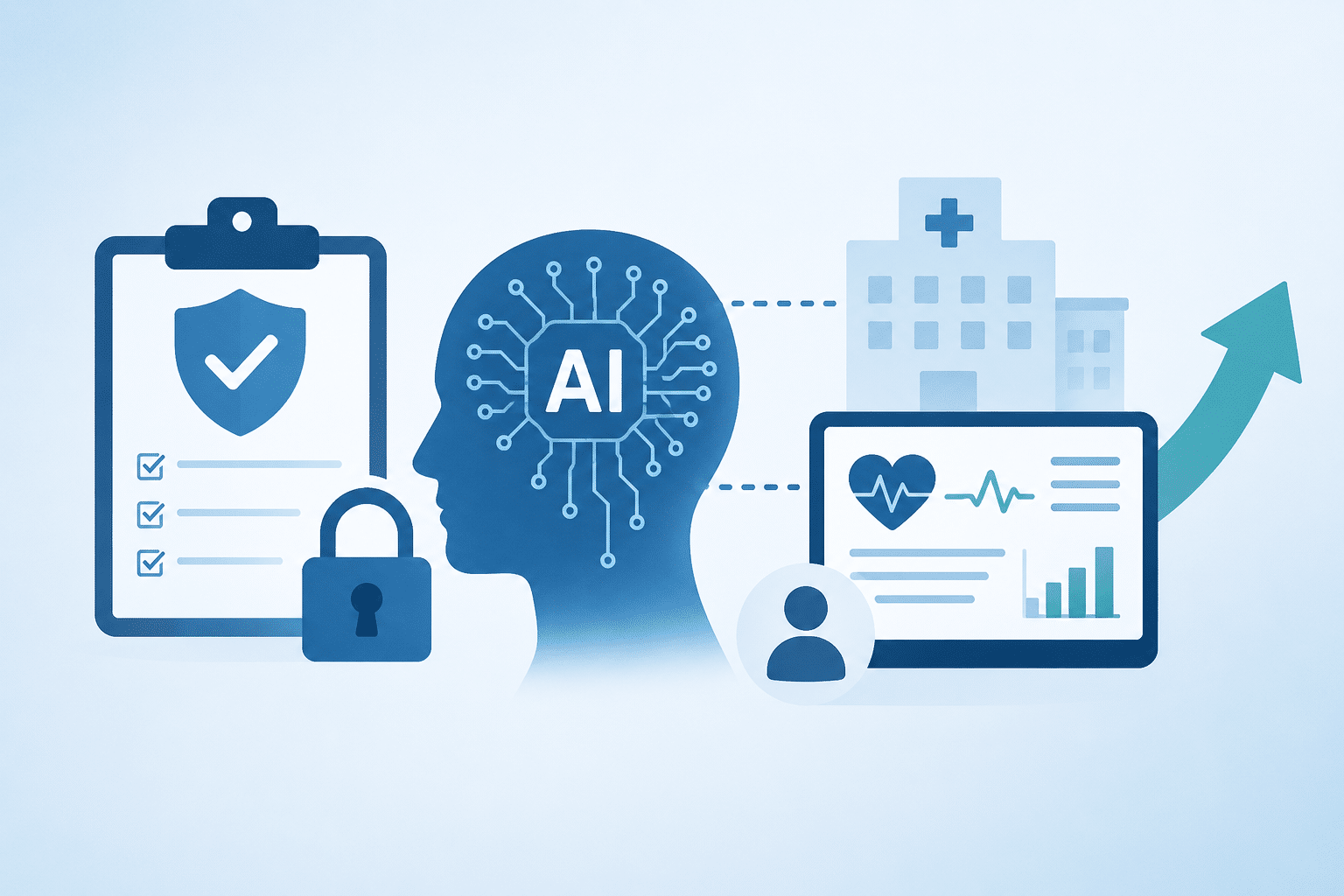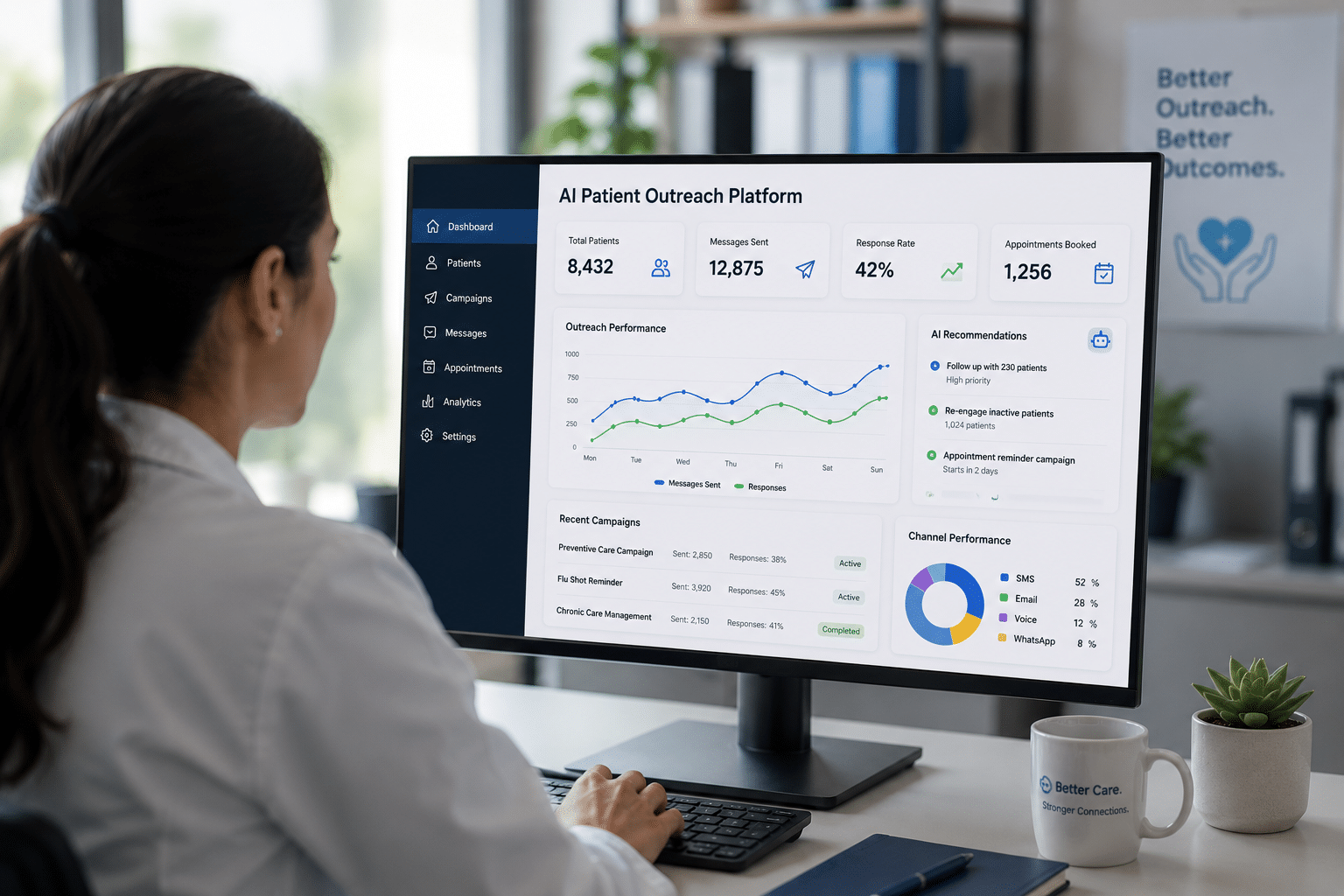
Electronic Health Record (EHR) systems are the backbone of modern healthcare delivery, but they rarely operate in isolation. The average hospital uses 50-200 different software applications, from laboratory information systems and medical imaging platforms to billing software and patient portals. Each system contains critical patient data, yet they often can’t communicate with each other.
Poor EHR integration leads to devastating consequences: duplicate testing costing $30 billion annually in the US, medical errors from incomplete patient information causing 250,000+ deaths yearly, administrative burden consuming 25-30% of healthcare spending, and physician burnout from manual data entry across disconnected systems.
Effective EHR integration creates a unified healthcare ecosystem where data flows seamlessly between systems, clinicians access complete patient information instantly, administrative workflows automate end-to-end, and patients receive coordinated, high-quality care.
At Taction Software, we’ve completed 785+ EHR integration projects over 20 years across Epic, Cerner, Athena, Allscripts, NextGen, and dozens of other platforms—maintaining zero HIPAA violations. This comprehensive guide reveals proven strategies for successful EHR integration.
What Is EHR Integration?
EHR integration is the process of connecting electronic health record systems with other healthcare applications to enable seamless data exchange and workflow coordination. Integration allows different systems to:
Share Patient Data:
- Demographics and insurance information
- Clinical history and diagnoses
- Medications and allergies
- Laboratory results and imaging reports
- Treatment plans and care coordination
Synchronize Workflows:
- Appointment scheduling across systems
- Clinical documentation and coding
- Order entry and results reporting
- Revenue cycle management processes
- Patient communication and engagement
Enable Advanced Capabilities:
- Artificial intelligence and machine learning applications
- Population health management and analytics
- Telemedicine and remote patient monitoring
- Clinical decision support systems
- Robotic process automation for administrative tasks
Common Integration Scenarios:
- EHR to laboratory information system (LIS)
- EHR to picture archiving and communication system (PACS)
- EHR to practice management/billing system
- EHR to pharmacy management system
- EHR to patient portal or mobile app
- EHR to third-party clinical applications
Understanding EHR implementation costs helps organizations budget for comprehensive integration projects.
Major EHR Platforms and Integration Approaches
Epic Integration
Epic dominates the large hospital and health system market with 31% market share, serving over 250 million patients.
Epic Integration Methods:
1. Epic Interconnect (FHIR APIs)
- Modern RESTful API using HL7 FHIR standard
- Real-time data access for patient demographics, appointments, medications, allergies, immunizations, lab results, clinical notes
- OAuth 2.0 authentication with SMART on FHIR
- Supports both read and write operations
- Best for: Modern applications requiring real-time data access
2. Epic App Orchard
- Epic’s official marketplace for third-party applications
- Certification program for integrated apps
- Pre-built connectors and templates
- Streamlined deployment for Epic customers
- Best for: Commercial healthcare applications
3. HL7 v2.x Interfaces
- Traditional messaging standard (ADT, ORM, ORU, SIU, DFT)
- Batch and real-time message processing
- Widely supported across healthcare
- More complex than FHIR but highly mature
- Best for: Legacy integrations, high-volume transactions
4. Epic Web Services
- SOAP and REST web services
- Custom integration for specific use cases
- Requires Epic development resources
- Best for: Enterprise-specific workflows
5. Epic Reporting Database
- Read-only database access for analytics
- SQL queries for data extraction
- Scheduled batch processes
- Best for: Business intelligence, reporting, data warehousing
Cost Considerations:
- Epic EHR costs range from $500K-$10M+ depending on organization size
- Integration fees: $50,000-$200,000 per interface
- Annual App Orchard fees: $3,000-$10,000 per application
- Ongoing maintenance: 15-20% of initial integration cost annually
Cerner Integration
Cerner (now Oracle Health) holds 26% market share, particularly strong in medium and large hospitals.
Cerner Integration Methods:
1. Cerner Ignite APIs
- Modern RESTful APIs based on FHIR
- OAuth 2.0 authentication
- Growing catalog of available endpoints
- Best for: New application development
2. Cerner Millennium Objects
- Direct database access to Cerner tables
- CCL (Cerner Command Language) for custom queries
- Real-time and batch data retrieval
- Best for: Custom reporting, data extraction
3. HL7 v2.x Messaging
- Similar to Epic HL7 support
- ADT, ORM, ORU, SIU, DFT, BAR message types
- TCP/IP or file-based transmission
- Best for: Standard healthcare transactions
4. Cerner Open Engine
- Integration engine for message routing
- Transformation and filtering capabilities
- Monitoring and error handling
- Best for: Complex integration scenarios
Transform Your App Development Process with Taction
Platform Comparison: Review our Cerner vs Epic analysis to understand integration differences and choose the right platform for your organization.
Athena Integration
athenahealth focuses on ambulatory practices and small-to-medium healthcare organizations with cloud-native EHR.
Athena Integration Methods:
1. athenaNet APIs
- RESTful APIs for appointments, patients, clinical data, billing
- OAuth authentication
- Well-documented with developer sandbox
- Best for: Practice management, patient engagement apps
2. HL7 Integration
- Standard HL7 v2.x messaging
- Common for lab, radiology interfaces
- Best for: Traditional healthcare integrations
3. Direct Messaging
- Secure email-like communication
- Health information exchange (HIE)
- Best for: Provider-to-provider communication
Cost Considerations:
- Athena is subscription-based: $140-$280 per provider per month
- Integration setup: $25,000-$100,000 depending on complexity
- More affordable than Epic/Cerner for smaller organizations
Allscripts and NextGen Integration
Allscripts:
- Strong in ambulatory and post-acute care
- FHIR, HL7, and proprietary API support
- Unity API for modern integrations
- Best for: Ambulatory practices, specialty clinics
NextGen:
- Popular with specialty practices
- NextGen Share API (FHIR-based)
- HL7 v2.x and Direct messaging
- Best for: Specialty-specific workflows
Specialty and Niche EHR Systems
- Dominant in long-term care and senior living
- API and HL7 integration options
- Focus on post-acute care workflows
Meditech:
- Legacy systems in many community hospitals
- FHIR capabilities in Expanse platform
- HL7 v2.x for older implementations
eClinicalWorks:
- Ambulatory-focused with strong patient engagement
- eClinicalWorks API and HL7 support
- Cloud and on-premise deployment options
When evaluating platforms, use our guide to choose an EHR system based on your organization’s specific needs.
Healthcare Integration Standards
HL7 FHIR (Fast Healthcare Interoperability Resources)
Overview: FHIR is the modern healthcare data exchange standard combining the best features of HL7 v2, HL7 v3, and CDA while leveraging web technologies (RESTful APIs, JSON, XML).
Key Features:
- Resource-based architecture (Patient, Observation, Medication, etc.)
- RESTful API using HTTP verbs (GET, POST, PUT, DELETE)
- JSON and XML data formats
- OAuth 2.0 authentication
- Extensible and modular design
Common FHIR Resources:
- Patient – Demographics, contact information
- Observation – Lab results, vital signs, clinical findings
- Medication – Prescriptions, administrations, statements
- Condition – Diagnoses, problems
- Procedure – Surgical procedures, treatments
- Encounter – Hospital visits, appointments
- AllergyIntolerance – Drug and environmental allergies
- DocumentReference – Clinical documents, images
FHIR Implementation Guides:
- US Core – Base US implementation requirements
- SMART on FHIR – OAuth authentication and app launch
- Bulk Data Export – Large-scale data extraction ($export operation)
- Da Vinci Project – Payer-provider data exchange
- Argonaut Project – EHR vendor collaboration
Benefits:
- Modern, developer-friendly technology
- Growing adoption across EHR vendors
- Government mandates (21st Century Cures Act)
- Reduces custom integration work
Implementation: Comprehensive HL7 integration requires expertise in FHIR, HL7 v2.x, and CDA standards.
HL7 v2.x (Legacy Messaging)
Overview: HL7 version 2.x remains the most widely used healthcare messaging standard despite being decades old.
Common Message Types:
- ADT (Admission, Discharge, Transfer) – Patient demographics, registration, bed management
- ORM (Order Message) – Lab orders, radiology orders, medication orders
- ORU (Observation Result) – Lab results, vital signs, imaging reports
- SIU (Scheduling Information Unsolicited) – Appointment scheduling
- DFT (Detailed Financial Transaction) – Charge capture, billing
- BAR (Billing Account Record) – Account management, insurance
Message Structure:
MSH|^~\&|SENDING_APP|SENDING_FACILITY|RECEIVING_APP|RECEIVING_FACILITY|20231215120000||ADT^A01|MSG123|P|2.5
EVN|A01|20231215120000
PID|1||123456789||DOE^JOHN^M||19800115|M|||123 MAIN ST^^CHICAGO^IL^60601
PV1|1|I|ICU^101^A|||SMITH^JANE^MD
Integration Approach:
- Interface engine (Mirth Connect, Rhapsody, Ensemble)
- Message parsing and validation
- Transformation and routing
- Error handling and monitoring
- Acknowledgment (ACK) processing
When to Use:
- Legacy system integration
- High-volume batch processing
- Standard healthcare transactions
- Mature, stable requirements
CDA (Clinical Document Architecture)
Overview: XML-based standard for clinical document exchange (discharge summaries, progress notes, operative reports).
Key Features:
- Human-readable and machine-processable
- Structured and narrative content
- Digital signatures for authentication
- Widely used for C-CDA (Consolidated CDA)
Common CDA Document Types:
- Continuity of Care Document (CCD)
- Discharge Summary
- Progress Note
- Operative Note
- Consultation Note
Use Cases:
- Health information exchange (HIE)
- Provider-to-provider communication
- Patient summary documents
- Meaningful Use/Promoting Interoperability requirements
Direct Messaging (Direct Protocol)
Overview: Secure, encrypted email-like messaging for healthcare providers.
Key Features:
- HIPAA-compliant encryption
- Certificate-based authentication
- Push and pull messaging
- Simple SMTP-like interface
Common Uses:
- Referrals and consultations
- Lab and imaging results delivery
- Care coordination
- Provider-to-provider communication
Proprietary APIs and Custom Integration
When standards don’t cover specific use cases, custom integration is necessary:
Common Scenarios:
- Vendor-specific workflows
- Advanced features not in standards
- Performance optimization
- Legacy system constraints
Technologies:
- SOAP and REST web services
- Custom database access
- File-based integration (CSV, XML, HL7 files)
- RPA for UI automation
Multi-Platform Integration Solutions
Redox Integration Platform
Redox integration provides a unified API for connecting with 40+ EHR systems without building individual integrations.
How It Works:
- Single API integration with Redox
- Redox maintains connections to Epic, Cerner, Athena, etc.
- Standardized data models across all EHRs
- Pre-built workflows for common use cases
Benefits:
- 70-90% reduction in integration development time
- One codebase works with multiple EHRs
- Redox handles EHR updates and maintenance
- Faster time-to-market for healthcare applications
Cost:
- Setup: $25,000-$75,000
- Per-connection fees: $12,000-$36,000 annually per EHR
- Transaction-based pricing for high-volume scenarios
When to Use:
- Applications serving multiple health systems
- Need to support 5+ different EHRs
- Limited integration development resources
- Prefer managed integration service
Mirth Connect (Open Source Interface Engine)
Overview: Mirth Connect is the most popular open-source healthcare integration engine.
Capabilities:
- HL7 v2.x message processing
- FHIR support
- Database connectivity
- File processing (CSV, XML, JSON)
- Custom JavaScript transformations
- Message routing and filtering
Benefits:
- Free and open source
- Large community support
- Highly customizable
- Works with any system
Considerations:
- Requires technical expertise to configure
- Self-hosted infrastructure needed
- Limited vendor support (commercial version available)
- Ongoing maintenance responsibility
When to Use:
- Budget-conscious organizations
- In-house integration expertise
- Complex transformation requirements
- Need full control over integration logic
Commercial Integration Engines
Rhapsody (Lyniate):
- Enterprise-grade integration platform
- Strong in large health systems
- Comprehensive monitoring and management
- Cost: $100,000-$500,000+ annually
InterSystems Ensemble/HealthShare:
- Unified data platform
- Strong in healthcare data aggregation
- Built-in analytics capabilities
- Cost: $150,000-$750,000+ annually
Corepoint Integration Engine:
- Mid-market focused
- User-friendly interface
- Good balance of features and cost
- Cost: $50,000-$200,000 annually
EHR Integration Architecture Patterns
Point-to-Point Integration
Description: Direct connection between two systems (EHR ↔ Lab System).
Pros:
- Simple to understand and implement
- Lower initial cost
- Good for single integration
Cons:
- Doesn’t scale (n² integration problem)
- Difficult to maintain
- Changes affect both systems
- Limited reusability
When to Use:
- Small practices with 2-3 systems
- One-off integration needs
- Proof of concept
Hub-and-Spoke (Enterprise Service Bus)
Description: Central integration hub connects all systems (EHR → Hub → Lab, Billing, PACS).
Pros:
- Scalable architecture
- Centralized management
- Reusable transformations
- Easier maintenance
Cons:
- Higher initial investment
- Hub becomes single point of failure
- Requires integration expertise
When to Use:
- Health systems with 10+ integrated systems
- Enterprise-wide integration strategy
- Long-term scalability needs
Microservices and API Gateway
Description: Modern architecture with API gateway exposing standardized endpoints, microservices handling specific functions.
Pros:
- Cloud-native and scalable
- Independent service deployment
- Technology flexibility
- Supports modern apps
Cons:
- Complex to design and operate
- Requires DevOps capabilities
- Higher infrastructure costs
- Distributed system challenges
When to Use:
- Modern healthcare applications
- Cloud-based deployment
- Need for rapid iteration
- Microservices expertise available
EHR Integration Use Cases
1. Laboratory Integration
Requirements:
- Send lab orders from EHR (ORM messages)
- Receive lab results into EHR (ORU messages)
- Update order status and tracking
- Alert providers to critical results
Data Flow:
- Provider orders lab test in EHR
- ORM message sent to LIS
- Lab performs test and enters results
- ORU message sent back to EHR
- Results appear in provider’s workflow
- Critical results trigger alerts
Benefits:
- Eliminate manual result entry
- Faster result delivery to providers
- Reduced errors and lost results
- Better patient safety
Implementation Time: 8-12 weeks
Cost: $40,000-$100,000
Ready to Build Your Mobile App with Agile Excellence?
2. Radiology Integration (PACS)
Requirements:
- Send imaging orders (ORM)
- Receive imaging reports (ORU)
- Link to PACS viewer from EHR
- Synchronize patient demographics
Technologies:
- HL7 for orders and results
- DICOM for image viewing
- Web-based PACS viewer integration
Benefits:
- Integrated imaging workflow
- Faster report turnaround
- Improved diagnostic accuracy
- Better care coordination
Implementation Time: 10-14 weeks
Cost: $50,000-$150,000
Specialized radiology app development often requires custom PACS integration.
3. Practice Management and Billing Integration
Requirements:
- Sync patient demographics
- Transfer appointment data
- Send charges and procedures
- Receive payment information
- Automate revenue cycle workflows
Data Flow:
- Patient registration → Demographics sync
- Clinical encounter → Charge capture
- Medical coding → Billing system
- Claim submission → Payment posting
- Payment → EHR reconciliation
Benefits:
- Reduced duplicate data entry
- Improved charge capture
- Faster billing cycles
- Better revenue integrity
Implementation Time: 12-16 weeks
Cost: $60,000-$180,000
Understanding medical billing automation helps optimize this integration.
4. Patient Portal and Mobile App Integration
Requirements:
- Secure patient authentication
- Access to medical records
- Appointment scheduling
- Secure messaging with providers
- Prescription refills
- Bill payment
Technologies:
- FHIR APIs for data access
- SMART on FHIR for authentication
- OAuth 2.0 for security
- Mobile SDKs for iOS/Android
Benefits:
- Improved patient engagement
- Reduced administrative calls
- Better medication adherence
- Higher patient satisfaction
Implementation Time: 10-14 weeks
Cost: $80,000-$200,000
Our healthcare mobile app development services ensure seamless EHR integration.
5. Telemedicine Platform Integration
Requirements:
- Patient data retrieval before visits
- Clinical note documentation back to EHR
- Prescription orders through EHR
- Billing and coding integration
- Appointment scheduling synchronization
Data Flow:
- Patient schedules telehealth visit
- Platform retrieves patient data from EHR
- Provider conducts virtual visit
- Clinical note auto-generated and sent to EHR
- Prescriptions sent to pharmacy via EHR
- Visit coded and billed
Benefits:
- Seamless virtual care workflow
- Complete patient record in EHR
- Improved documentation quality
- Proper billing and compliance
Implementation Time: 12-18 weeks
Cost: $100,000-$250,000
Explore telemedicine app development for virtual care solutions.
6. AI and Clinical Decision Support Integration
Requirements:
- Real-time patient data access
- Integration with clinical workflows
- Alert and recommendation delivery
- Outcome tracking and feedback loops
Use Cases:
- AI-powered chatbots for patient triage
- Predictive analytics for readmission risk
- Automated clinical documentation
- Drug interaction checking
- Sepsis prediction alerts
Technologies:
- FHIR for real-time data access
- CDS Hooks for workflow integration
- Machine learning model serving
- Generative AI for documentation
Benefits:
- Improved clinical outcomes
- Reduced medical errors
- Enhanced provider productivity
- Better resource utilization
Implementation Time: 16-24 weeks
Cost: $150,000-$400,000+
7. Pharmacy and Medication Management
Requirements:
- Electronic prescribing (eRx)
- Medication history retrieval
- Drug interaction checking
- Formulary management
- Refill requests and renewals
Standards:
- NCPDP SCRIPT for e-prescribing
- RxNorm for medication coding
- FHIR MedicationRequest resources
Benefits:
- Reduced prescription errors
- Improved medication adherence
- Better formulary compliance
- Streamlined workflow
Implementation Time: 10-16 weeks
Cost: $60,000-$150,000
8. Wearables and Remote Patient Monitoring
Requirements:
- Device data ingestion (vitals, activity, glucose)
- Data validation and quality checking
- Storage in EHR as observations
- Alert generation for abnormal values
- Clinician review workflows
Device Types:
- Blood pressure monitors
- Continuous glucose monitors
- Activity trackers and smartwatches
- Weight scales
- Pulse oximeters
Technologies:
- FHIR Observation resources
- Device APIs and SDKs
- HL7 v2.x ORU messages
- Proprietary device protocols
Benefits:
- Proactive patient monitoring
- Early intervention capabilities
- Chronic disease management
- Reduced hospitalizations
Learn about wearable technology in healthcare integration strategies.
Implementation Time: 12-20 weeks
Cost: $80,000-$250,000
HIPAA Compliance for EHR Integration
Critical Compliance Requirements
HIPAA-compliant integration mandates specific security and privacy controls:
Technical Safeguards:
- Encryption in transit – TLS 1.2+ for all data transmission
- Encryption at rest – AES-256 for stored PHI
- Access controls – Role-based permissions, unique user IDs
- Audit logging – Complete tracking of PHI access
- Authentication – Multi-factor authentication for sensitive access
Administrative Safeguards:
- Business Associate Agreements (BAAs) – With all integration vendors
- Security policies – Documented procedures for PHI handling
- Workforce training – Regular HIPAA compliance education
- Incident response – Breach notification procedures
- Risk assessments – Annual security risk analysis
Physical Safeguards:
- Facility access controls – Secure data center/server room
- Workstation security – Screensaver locks, device encryption
- Device management – Mobile device management (MDM)
Common HIPAA Pitfalls in Integration
❌ Unencrypted data transmission → Use TLS/SSL for all connections
❌ Missing BAAs with vendors → Obtain before integration begins
❌ Insufficient audit logging → Log all PHI access with timestamps
❌ Weak authentication → Implement MFA and strong password policies
❌ No data retention policies → Define and enforce retention schedules
❌ Inadequate access controls → Apply principle of least privilege
Our HIPAA-compliant app developers specialize in secure healthcare integrations.
Integration Security Best Practices
API Security:
- OAuth 2.0 token-based authentication
- API key rotation policies
- Rate limiting to prevent abuse
- Input validation and sanitization
- SQL injection prevention
Network Security:
- VPN for system-to-system connections
- Firewall rules restricting access
- Network segmentation
- Intrusion detection systems
- Regular penetration testing
Data Security:
- PHI de-identification when possible
- Data masking for non-clinical users
- Secure key management
- Regular security audits
- Incident monitoring and alerting
Organizations seeking HIPAA SaaS development must ensure comprehensive compliance across all integrations.
EHR Integration Implementation Methodology
Phase 1: Discovery and Planning (Weeks 1-3)
Activities:
- Document current system landscape
- Identify integration requirements
- Define data exchange specifications
- Select integration approach and standards
- Develop project timeline and budget
Deliverables:
- Integration requirements document
- Data mapping specifications
- Technical architecture diagram
- Project plan and resource allocation
- Risk assessment
Phase 2: Design and Architecture (Weeks 4-6)
Activities:
- Design integration workflows
- Define data transformations
- Plan error handling and monitoring
- Security and compliance review
- Interface specification documentation
Deliverables:
- Integration design document
- Message specifications (HL7, FHIR)
- Security architecture
- Testing strategy
- Change management plan
Phase 3: Development and Configuration (Weeks 7-14)
Activities:
- Configure integration engine/middleware
- Develop transformation logic
- Implement security controls
- Build monitoring dashboards
- Create documentation
Deliverables:
- Configured integration components
- Transformation scripts and mappings
- Security implementations
- Technical documentation
- User guides
Phase 4: Testing and Validation (Weeks 15-18)
Activities:
- Unit testing of individual components
- Integration testing across systems
- Performance and load testing
- Security and compliance testing
- User acceptance testing
Deliverables:
- Test results and reports
- Defect tracking and resolution log
- Performance benchmarks
- Compliance attestation
- UAT sign-off
Phase 5: Deployment and Support (Weeks 19-22)
Activities:
- Production deployment
- User training
- Go-live support
- Performance monitoring
- Issue resolution and optimization
Deliverables:
- Production environment
- Training materials
- Support documentation
- Runbooks and procedures
- Post-implementation review
Total Timeline: 22 weeks (5-6 months) for comprehensive EHR integration
Total Cost: $100,000 – $500,000 depending on complexity
Taction’s TURBO Advantage: Pre-built integration templates and connectors reduce timeline to 12-16 weeks.
Follow our healthcare app development guide for systematic implementation.
Common EHR Integration Challenges
Challenge 1: Data Quality and Standardization
Problem: Inconsistent data formats, missing fields, invalid codes, duplicate records
Solutions:
- Data validation at entry points
- Master data management (MDM)
- Automated data cleansing
- Standard code sets (LOINC, SNOMED, RxNorm)
- Regular data quality audits
Challenge 2: Vendor Cooperation and Support
Problem: Slow vendor response, limited documentation, restrictive licensing, upgrade disruptions
Solutions:
- Establish clear SLAs with vendors
- Document everything independently
- Build vendor relationships early
- Plan for upgrades proactively
- Consider alternative integration approaches
Challenge 3: Performance and Scalability
Problem: Slow response times, system timeouts, batch processing delays, peak load failures
Solutions:
- Asynchronous processing where possible
- Message queuing and buffering
- Horizontal scaling of integration components
- Caching frequently accessed data
- Performance monitoring and optimization
Challenge 4: Change Management
Problem: User resistance, workflow disruption, inadequate training, poor adoption
Solutions:
- Involve end users in design
- Phased rollout approach
- Comprehensive training program
- Ongoing support and feedback
- Celebrate integration successes
Challenge 5: Ongoing Maintenance
Problem: System upgrades break integrations, vendor API changes, evolving standards, security patches
Solutions:
- Regression testing for all changes
- Staging environment for testing
- Version control for integration code
- Proactive vendor communication
- Regular security updates
Measuring Integration Success
Technical Metrics
Performance:
- Message throughput (transactions per second)
- Response time (average, 95th percentile)
- System uptime (target: 99.9%+)
- Error rate (target: <0.1%)
Data Quality:
- Data completeness (% of required fields populated)
- Data accuracy (validation against source)
- Duplicate records (target: <0.5%)
- Timeliness (data freshness)
Operational Metrics
Efficiency:
- Reduction in manual data entry (target: 80%+)
- Time saved per user per day
- Process cycle time improvements
- Administrative cost reduction
User Adoption:
- System utilization rates
- User satisfaction scores
- Training completion rates
- Support ticket volume
Business Metrics
Financial:
- ROI and payback period
- Cost per transaction
- Revenue cycle improvements
- Avoided costs (duplicate tests, errors)
Quality:
- Clinical outcome improvements
- Patient safety indicators
- Compliance metrics
- Patient satisfaction scores
Review our healthcare cost analysis for ROI modeling frameworks.
Choosing an EHR Integration Partner
When evaluating healthcare app developers for integration projects, consider:
Healthcare Domain Expertise:
- Deep understanding of clinical workflows
- Knowledge of healthcare standards (HL7, FHIR, DICOM)
- Experience with major EHR platforms
- Understanding of healthcare regulations
Technical Capabilities:
- Integration platform expertise (Mirth, Rhapsody, Redox)
- API development and management
- Database and data warehousing
- Cloud and infrastructure skills
EHR-Specific Experience:
- Epic, Cerner, Athena certifications
- Successful integration case studies
- Vendor relationship management
- Platform-specific best practices
Compliance and Security:
- HIPAA implementation experience
- Zero violation track record
- Security best practices
- Regular compliance audits
Support Model:
- Ongoing maintenance and monitoring
- 24/7 technical support availability
- Proactive issue resolution
- Continuous optimization
Taction Software offers comprehensive healthcare software development including complete EHR integration services.
Why Healthcare Organizations Choose Taction Software
20+ Years EHR Integration Expertise
Building HIPAA-compliant integrations since before FHIR existed.
785+ Successful Integrations
Connected Epic, Cerner, Athena, Allscripts, NextGen, and 50+ other platforms.
Zero HIPAA Violations
Perfect compliance record across two decades and hundreds of healthcare integrations.
All Major EHR Platforms
Pre-built connectors and deep expertise across every major EHR vendor.
Modern Standards Expertise
FHIR, HL7 v2.x, CDA, DICOM, Direct Protocol, and proprietary APIs.
TURBO Integration Framework
Proprietary methodology delivering integrations 40% faster through pre-built components.
Recognized Industry Leader
Listed among top AI healthcare software development companies.
Full-Service Support
From strategy and architecture to development, testing, deployment, and ongoing optimization.
Multi-Location Coverage
Offices in Chicago, Wyoming, Texas, California, and India providing 24/7 support.
End-to-End Healthcare Solutions
Integration services complement our comprehensive healthcare app development capabilities.
Ready to achieve seamless EHR integration? Schedule a free consultation with our integration experts.
Frequently Asked Questions
A: Costs range from $40,000 for simple single-system integration (e.g., lab interface) to $500,000+ for comprehensive multi-system integration programs. Factors include EHR platform (Epic and Cerner typically cost more), number of integrated systems, data volume and complexity, integration standards used, and customization requirements. Annual maintenance costs 15-20% of initial investment. Review our EHR implementation cost guide for detailed budgeting.
A: Timeline varies by scope. Simple interfaces (lab, radiology): 8-12 weeks. Practice management integration: 12-16 weeks. Patient portal/mobile app: 10-14 weeks. Comprehensive multi-system integration: 20-30 weeks. Taction’s TURBO framework with pre-built connectors reduces timelines by 30-40%. Following our 5-step development process ensures efficient delivery.
A: Use FHIR for new integrations requiring real-time data access, patient-facing applications, modern API-based architecture, and government compliance (21st Century Cures Act). Use HL7 v2.x for legacy system integration, high-volume batch processing, standard healthcare transactions (ADT, lab orders), and when FHIR support is unavailable. Many organizations use hybrid approaches with both standards.
A: Yes, for FHIR APIs and standard HL7 interfaces. Epic Interconnect and Cerner Ignite APIs are available without vendor services. However, complex custom integrations, Epic App Orchard certification, or direct database access typically require vendor involvement. Engagement costs vary: Epic charges $50,000-$200,000+ for custom interfaces; FHIR APIs are generally free after initial setup.
A: Integration can be HIPAA compliant with proper implementation. Requirements include encrypted data transmission (TLS 1.2+), encrypted data storage (AES-256), comprehensive audit logging, Business Associate Agreements with all vendors, role-based access controls, and regular security assessments. Taction maintains zero HIPAA violations across 785+ integrations. Our HIPAA-compliant development services ensure full regulatory adherence.
A: Point-to-point directly connects two systems (EHR ↔ Lab). It’s simple and low-cost initially but doesn’t scale (10 systems require 45 integrations). Hub-and-spoke uses central integration engine connecting all systems (10 systems require 10 integrations). Hub-and-spoke has higher initial cost but scales better, centralizes management, and enables reusable transformations. Organizations with 5+ systems should use hub-and-spoke architecture.
A: Yes, Redox integration platforms significantly reduce development effort. Benefits: 70-90% faster implementation, one codebase for multiple EHRs, managed service (Redox handles EHR updates), pre-built workflows. Considerations: annual per-connection fees ($12K-$36K), less customization flexibility, dependency on third-party vendor. Best for applications supporting multiple health systems or limited integration resources.