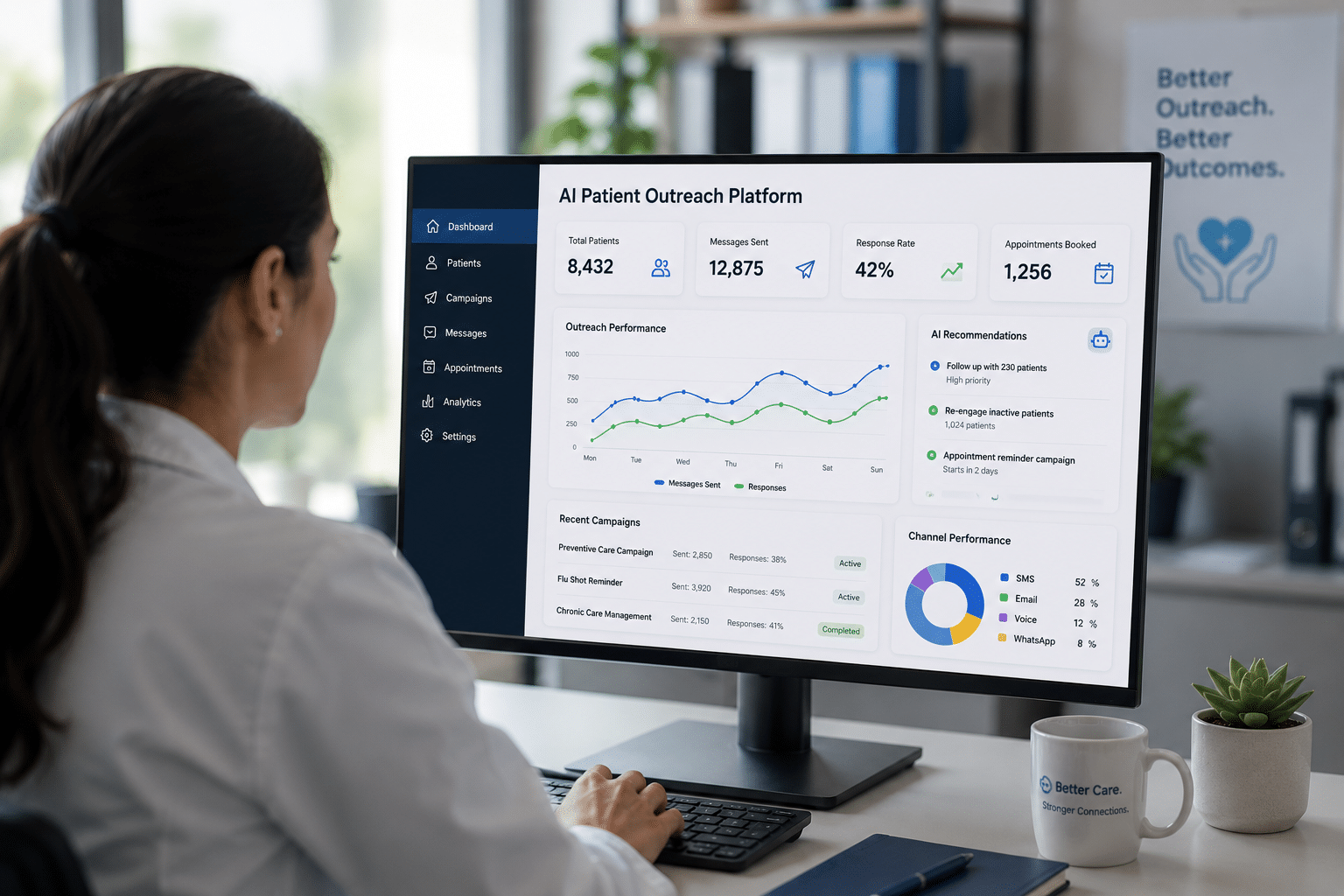
Automation in Healthcare Administration: Can healthcare organizations afford NOT to automate administrative processes in 2026? With administrative costs consuming 25% of total US healthcare spending ($1.1 trillion annually) and 31% of healthcare professionals now using AI (double from last year), the answer is clear: automation isn’t optional—it’s essential for survival.
Healthcare administration automation uses AI, RPA (Robotic Process Automation), and machine learning to eliminate manual processes that drain resources, increase errors, and burn out staff. The result? 70-90% reduction in administrative time, 20-30% fewer claim denials, and $360 billion in potential industry savings.
At Taction Software, we’ve delivered 785+ healthcare automation projects with measurable results: our medical coding AI recovers $1.14M+ annually per practice, clinical documentation automation cuts charting time 97%, and our revenue cycle automation reduces claim denials 50%.
This comprehensive guide covers everything healthcare executives need to know about administrative automation—from technologies and implementation strategies to ROI calculations and real-world success stories.
The Crisis in Automation in Healthcare Administration
Administrative Costs Are Out of Control
The Numbers Don’t Lie:
- 25% of total healthcare spending = administrative costs (AMA 2023)
- $1.1 trillion annually wasted on administrative inefficiency
- $935 million weekly lost to medical billing errors alone
- 44% of billing errors stem from poor clinical documentation
- $25-$50 cost to fix each denied claim
What Drives These Costs?
Manual Data Entry:
- 2-3 hours daily per physician on documentation
- 1-2 hours after-hours charting (unpaid)
- 85% error rate reduction potential with automation
Inefficient Workflows:
- Redundant processes across departments
- Lack of system integration
- Manual appointment scheduling
- Paper-based patient intake
- Manual insurance verification
Revenue Leakage:
- 12% initial claim denial rate (national average)
- 30% of denials never reworked (revenue lost)
- $118 cost per appealed claim
- Under-coding loses 7-15% potential revenue
Learn about revenue cycle optimization.
The Human Cost: Staff Burnout
Provider Burnout Statistics:
- 62% of physicians cite administrative burden as primary burnout driver
- 50% of nurses considering leaving due to paperwork
- $1M cost to replace one burned-out physician
- 18 months average time to recruit replacement
Administrative Staff Challenges:
- Repetitive, mundane tasks (80% of daily work)
- High error rates despite effort
- Limited time for patient interaction
- Low job satisfaction
The Automation Solution: Eliminate 70-90% of administrative tasks, allowing staff to focus on meaningful patient care.
Regulatory Compliance Complexity
Compliance Challenges:
Ever-Changing Regulations:
- HIPAA updates and enforcement
- State-specific telehealth laws
- Insurance policy changes
- Coding updates (ICD-11, CPT)
- Prior authorization requirements
Data Security Threats:
- Average healthcare data breach: $10.93M cost
- 725 healthcare breaches reported (2023)
- 133M patient records compromised
- Ransomware targeting healthcare +200%
Audit Readiness:
- Documentation requirements
- Compliance tracking
- Reporting obligations
- Quality measures
Automation Advantage: Built-in compliance, automatic updates, audit trails, reduced violation risk.
Explore our HIPAA-compliant solutions.
Technologies Powering Healthcare Automation
1. Robotic Process Automation (RPA)
What It Is: Software “robots” that mimic human actions to complete repetitive digital tasks without human intervention.
Healthcare RPA Applications:
Patient Registration:
- Auto-populate forms from ID/insurance cards
- Verify insurance eligibility
- Schedule appointments automatically
- Send confirmation notifications
Claims Processing:
- Extract data from medical records
- Apply correct billing codes
- Submit claims electronically
- Track claim status
- Auto-resubmit denials
Medical Records Management:
- Scan and digitize documents
- Extract relevant data
- Update EHR automatically
- Route documents to appropriate departments
Benefits:
- 50-70% time savings on administrative tasks
- 90%+ accuracy improvement
- 24/7 processing capability
- Scalable without adding staff
ROI Example:
- 100-bed hospital: 20 FTE reduction
- Annual savings: $1.5-2M
- Implementation cost: $200-400K
- Payback period: 3-6 months
2. Artificial Intelligence & Machine Learning
AI-Powered Automation:
Natural Language Processing (NLP):
- Clinical documentation from voice/text
- Medical coding automation
- Patient communication chatbots
- Sentiment analysis for feedback
Predictive Analytics:
- Patient no-show prediction
- Resource allocation optimization
- Readmission risk identification
- Revenue forecasting
Computer Vision:
- Document scanning and extraction
- Insurance card processing
- Signature verification
- Form completion validation
Machine Learning Applications:
- Claim denial prediction and prevention
- Appointment scheduling optimization
- Patient triage and routing
- Fraud detection
Taction’s AI Solutions:
Our AI/ML healthcare platforms deliver:
- 97% documentation time reduction
- $1.14M+ annual revenue recovery
- 95%+ coding accuracy
- Real-time compliance monitoring
3. Cloud-Based Administrative Platforms
Cloud Advantages:
Scalability:
- Grow with organizational needs
- Handle volume spikes automatically
- Add users/features on-demand
- No infrastructure limitations
Accessibility:
- Access from anywhere, any device
- Real-time data synchronization
- Collaboration across locations
- Remote work enablement
Integration:
- Connect with existing systems
- API-based architecture
- Bidirectional data flow
- Real-time updates
Security:
- Enterprise-grade encryption
- Automatic backups
- Disaster recovery
- Compliance built-in
Cost Benefits:
- No hardware investment
- Predictable monthly costs
- Automatic updates
- Reduced IT overhead
Taction’s Cloud Expertise:
200+ EHR integrations with cloud-based automation reducing implementation time 40-50%.
4. Intelligent Document Processing
Automated Document Management:
Intake Automation:
- Digital patient intake forms
- E-signature collection
- Insurance verification
- Consent management
Medical Records:
- Scan and digitize
- OCR (Optical Character Recognition)
- Data extraction
- Auto-routing to EHR
Billing Documents:
- Invoice generation
- Statement processing
- Payment reminders
- Collection letters
Compliance Documents:
- Policy updates
- Training materials
- Audit documentation
- Regulatory filings
Benefits:
- 80% reduction in manual handling
- 95% faster document retrieval
- Elimination of paper storage
- Improved security and compliance
Learn about document automation.
Transform Your App Development Process with Taction
Key Areas for Healthcare Automation
1. Patient Intake & Registration
Manual Process Pain Points:
- 15-30 minute check-in time
- Redundant data entry
- Insurance verification delays
- Incomplete information
- Long wait times
Automated Solution:
Digital Pre-Registration:
- Online forms before appointment
- Mobile app check-in
- Auto-population from previous visits
- E-signature collection
- Insurance verification
Benefits:
- 25% reduction in check-in time
- 30 minutes saved per patient
- 90% data accuracy improvement
- Enhanced patient satisfaction
- Reduced front desk workload
ROI:
- 50-patient daily practice
- 25 hours saved weekly
- $65K annual savings (1 FTE)
- Implementation: $15-30K
- Payback: 3-4 months
Explore our patient intake automation solutions.
2. Appointment Scheduling
Manual Challenges:
- Phone tag with patients
- Double bookings
- Last-minute cancellations
- No-show rates (15-30%)
- Staff time on phone calls
Automation Features:
Online Self-Scheduling:
- 24/7 appointment booking
- Real-time availability
- Automated reminders (SMS, email)
- Easy rescheduling
- Waitlist management
AI-Powered Optimization:
- Predict no-shows
- Optimal appointment spacing
- Provider schedule balancing
- Emergency slot management
Impact:
- 40% reduction in phone volume
- 15-20% decrease in no-shows
- 30% more efficient schedule utilization
- Improved patient access
3. Medical Billing & Coding
Manual Process Problems:
- 3-5 days claim submission time
- 12% initial denial rate
- Under-coding (7-15% revenue loss)
- Time-consuming appeals
- Human error
AI-Powered Automation:
Automated Coding:
- NLP extracts billable services
- AI suggests correct codes
- Real-time validation
- Compliance checking
- Medical coding automation
Claims Processing:
- Auto-generation from EHR
- Electronic submission
- Status tracking
- Denial prediction
- Auto-appeals
Results:
- 97% faster coding time
- 20-30% fewer denials
- 7-15% revenue increase
- 50% reduction in A/R days
- 90%+ first-pass acceptance
Taction’s Coding Platform:
GaleAI delivers:
- $1.14M+ annual recovery per practice
- 97% time savings
- 15% revenue capture improvement
- 4-month payback period
4. Insurance Verification
Manual Process:
- 10-20 minutes per verification
- Phone holds with insurers
- Outdated information
- Eligibility errors
- Last-minute surprises
Automated Verification:
Real-Time Checks:
- Instant eligibility verification
- Coverage details
- Copay/deductible information
- Prior authorization requirements
- Benefits verification
Integration Points:
- EHR integration
- Practice management system
- Registration workflow
- Patient portal
Benefits:
- Seconds vs. minutes per check
- 95%+ accuracy
- Reduced claim denials (20-30%)
- Better patient communication
- Improved collections
Cost Savings:
- 5 hours daily (50-patient practice)
- $32K annual savings
- $25-50 per denial avoided
- Faster reimbursement
5. Revenue Cycle Management
Comprehensive RCM Automation:
Front-End:
- Patient registration
- Insurance verification
- Prior authorization
- Financial counseling
Mid-Cycle:
- Charge capture
- Medical coding
- Claims submission
- Denial management
Back-End:
- Payment posting
- Collections
- Reporting
- Analytics
Integrated Benefits:
- 30-40% faster reimbursement
- 50% reduction in A/R days
- 25% collection improvement
- Complete visibility
- Data-driven decisions
Learn about revenue cycle automation.
Ready to Build Your Mobile App with Agile Excellence?
Implementation Strategy
Phase 1: Assessment & Planning (Month 1-2)
Current State Analysis:
Process Mapping:
- Document existing workflows
- Identify bottlenecks
- Calculate current costs
- Measure time expenditures
Pain Point Identification:
- Staff surveys
- Error rate analysis
- Cost center review
- Patient feedback
Technology Audit:
- Current systems inventory
- Integration capabilities
- Data quality assessment
- Security evaluation
ROI Projection:
- Calculate potential savings
- Estimate implementation costs
- Project timeline
- Define success metrics
Phase 2: Technology Selection (Month 2-3)
Vendor Evaluation:
Key Criteria:
- Healthcare expertise
- Integration capabilities
- HIPAA compliance
- Scalability
- Support quality
- Pricing model
Proof of Concept:
- Pilot limited functionality
- Test with real data
- Measure results
- Gather feedback
Taction Advantage:
✅ 785+ healthcare implementations ✅ 200+ EHR integrations ✅ Zero HIPAA violations ✅ 30-40% faster deployment
Phase 3: Implementation (Month 3-6)
Deployment Approach:
Phased Rollout:
- Start with highest-ROI process
- Pilot in single department
- Refine based on feedback
- Expand to additional areas
- Full organizational deployment
Integration:
- EHR connectivity
- Practice management system
- Billing software
- Patient portal
- Analytics platforms
Data Migration:
- Clean existing data
- Map to new systems
- Validate accuracy
- Establish governance
Phase 4: Training & Adoption (Month 5-7)
Comprehensive Training:
Staff Education:
- Role-specific training
- Hands-on practice
- Documentation
- Ongoing support
Change Management:
- Communication plan
- Champion identification
- Feedback loops
- Continuous improvement
Success Factors:
- Executive sponsorship
- Clear benefits communication
- Address resistance proactively
- Celebrate wins
Phase 5: Optimization & Scaling (Month 7+)
Continuous Improvement:
Performance Monitoring:
- Track KPIs
- Identify opportunities
- Adjust workflows
- Expand automation
Scaling Strategy:
- Add new processes
- Increase automation depth
- Integrate additional systems
- Leverage AI/ML insights
ROI & Cost-Benefit Analysis
Investment Ranges
Automation Implementation Costs:
Small Practice (1-5 providers):
- RPA deployment: $25-75K
- AI documentation: $50-100K
- Cloud platform: $10-30K annually
- Total Year 1: $85-205K
Medium Practice (10-50 providers):
- Comprehensive automation: $150-400K
- Custom integrations: $50-150K
- Training & change management: $30-75K
- Total Year 1: $230-625K
Large Health System (100+ providers):
- Enterprise automation: $500K-2M
- Multiple workflows: $200-500K
- Organization-wide rollout: $150-300K
- Total Year 1: $850K-2.8M
Expected Savings
Annual Cost Reductions:
Labor Savings:
- Administrative FTE reduction: 20-40%
- Physician documentation time: 70-90% reduction
- Front desk efficiency: 30-50% improvement
- Billing staff productivity: 50-70% increase
Example (50-Provider Practice):
- Current admin staff: 30 FTE
- Reduction: 30% (9 FTE)
- Average cost per FTE: $55K
- Annual savings: $495K
Revenue Enhancement:
- Reduced claim denials: $200-400K
- Improved coding accuracy: $350-700K
- Faster collections: $150-300K
- Reduced A/R days: $100-250K
- Total additional revenue: $800K-1.65M
Total Annual Benefit:
- Cost savings: $495K
- Revenue enhancement: $1.225M (midpoint)
- Total: $1.72M annually
ROI Calculation:
- Investment: $400K
- Annual benefit: $1.72M
- ROI: 330% Year 1
- Payback: 3.4 months
Real-World Examples
GaleAI Medical Coding:
- Practice size: 150 physicians
- Investment: $325K
- Annual recovery: $1.71M
- Time savings: 97%
- ROI: 426%
Intake Automation:
- 200-patient daily volume
- Implementation: $75K
- FTE reduction: 2.5
- Annual savings: $137K
- Patient satisfaction: +25%
- ROI: 83%
- Plus: Improved patient experience
RCM Automation:
- Hospital system
- Investment: $1.2M
- Denial reduction savings: $3.5M
- A/R improvement: $2.8M
- Annual benefit: $6.3M
- ROI: 425%
Frequently Asked Questions
Start with highest-ROI processes: (1) Medical coding and billing (7-15% revenue recovery), (2) Insurance verification (20-30% denial reduction), (3) Patient intake (25% time savings), and (4) Appointment scheduling (15-20% no-show reduction). Taction’s assessment identifies your organization’s optimal starting point based on current pain points, technology readiness, and ROI potential.
Implementation timelines vary by scope: Single-process automation (intake, scheduling): 2-4 months. Comprehensive RCM automation: 6-9 months. Enterprise-wide deployment: 12-18 months. Taction’s TURBO framework delivers 30-40% faster implementation than industry average through pre-built integrations, proven methodologies, and healthcare-specific expertise.
Healthcare automation typically delivers 300-600% Year 1 ROI with 3-6 month payback periods. Expected benefits include: 20-40% administrative FTE reduction, 70-90% documentation time savings, 20-30% claim denial reduction, 7-15% revenue increase from improved coding, and 30-50% faster collections. Our clients average $1M+ annual benefit from comprehensive automation.
HIPAA compliance is built-in from day one through: AES-256 encryption (data in transit and at rest), SOC 2 Type II certification, comprehensive audit trails, role-based access controls, BAA agreements with all vendors, regular security audits, and automatic compliance updates. Taction Software maintains zero HIPAA violations across 785+ projects with comprehensive compliance framework.
Yes, modern automation platforms integrate with all major EHR systems including Epic, Cerner, Athena, Allscripts, and 200+ others through HL7, FHIR, and custom APIs. Taction Software has completed 200+ successful EHR integrations with bidirectional data sync, real-time updates, and maintained system performance. Our pre-built connectors reduce integration time and cost by 40-50%.