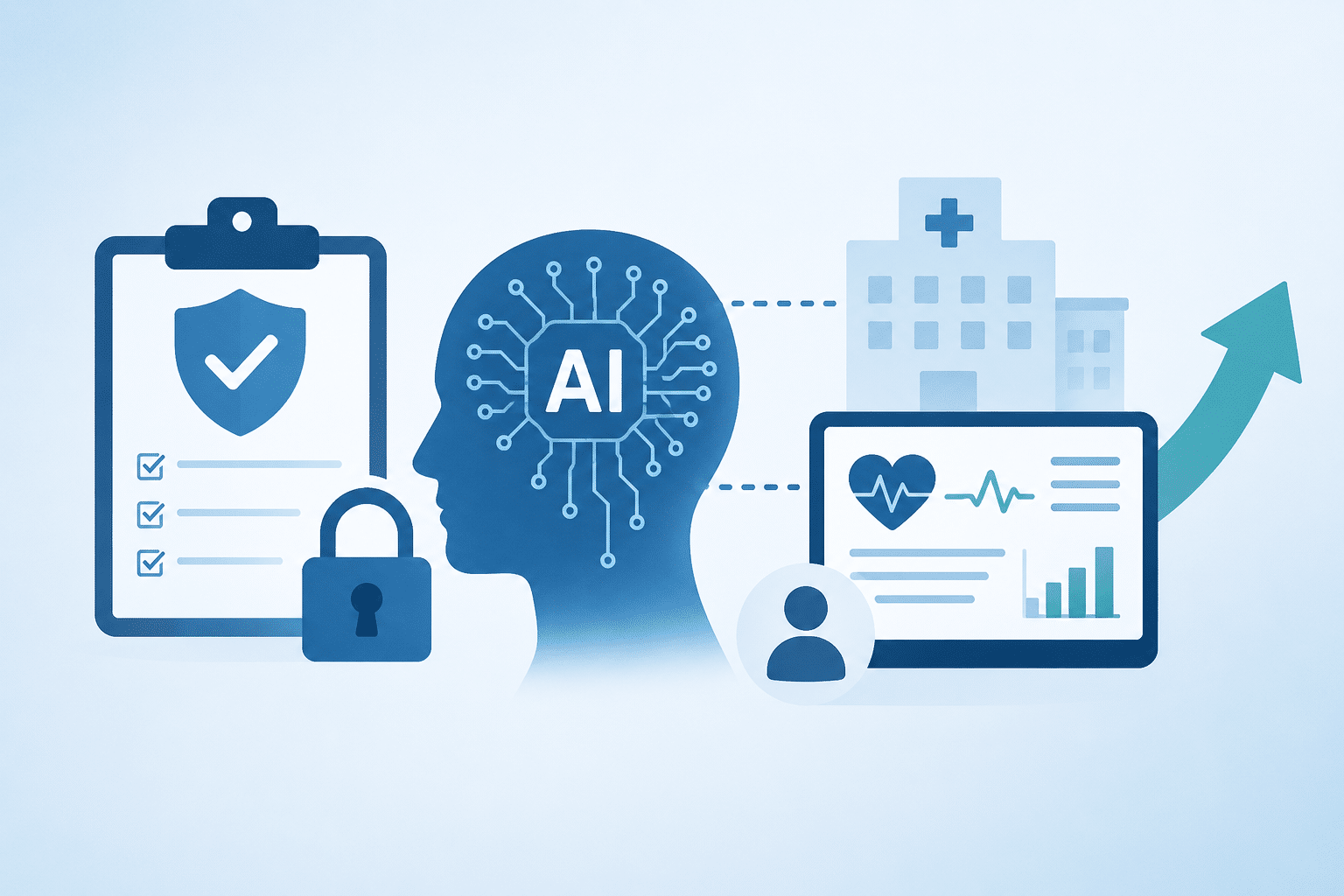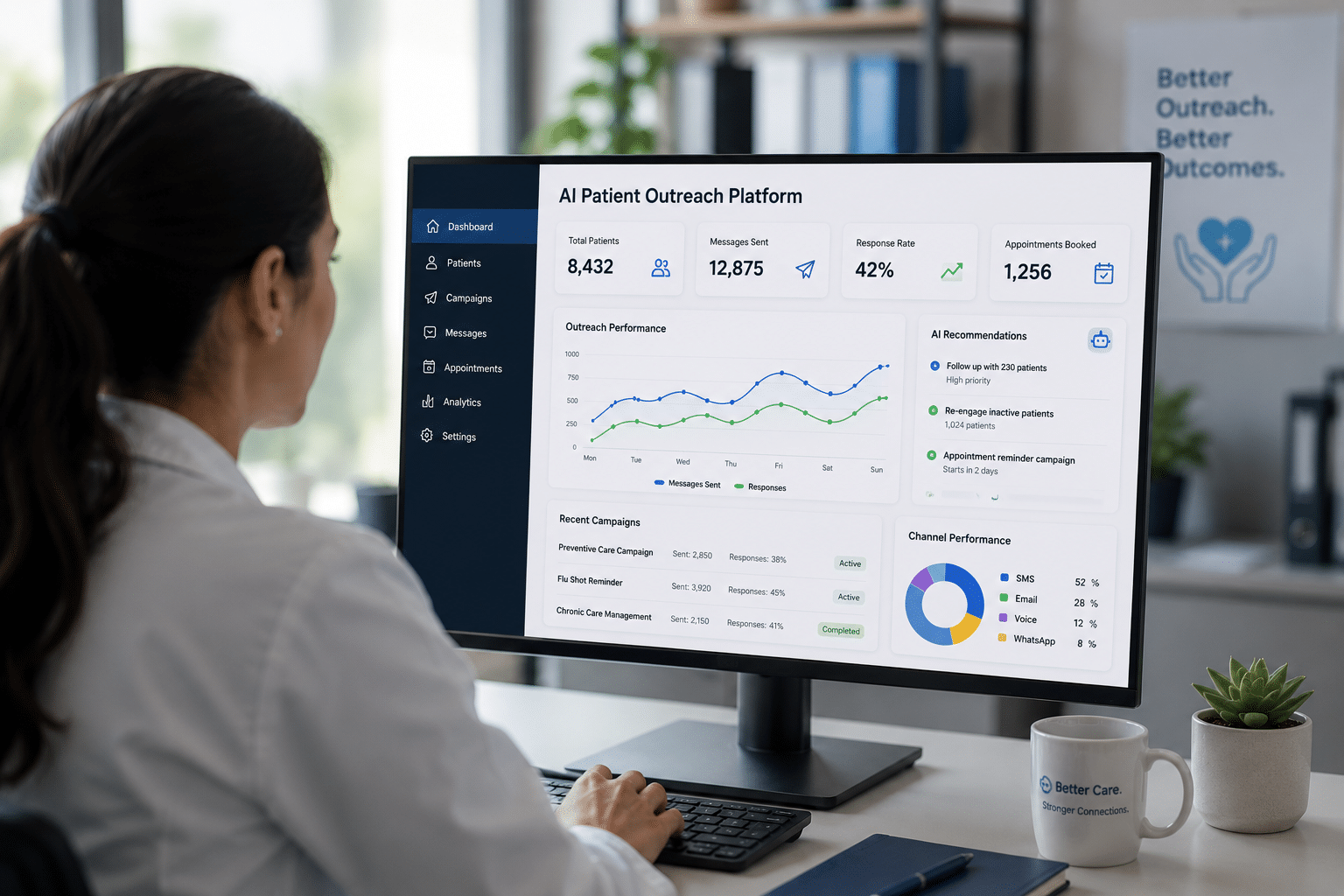
Artificial intelligence and machine learning are fundamentally transforming telehealth from basic video consultation platforms into intelligent healthcare ecosystems capable of augmenting clinical decision-making, personalizing patient engagement, and predicting health outcomes before critical events occur.
The convergence of AI technologies with telehealth app development creates unprecedented opportunities to address healthcare’s most persistent challenges: improving diagnostic accuracy, managing chronic diseases proactively, expanding access to specialized expertise, and delivering personalized care at scale.
This comprehensive guide explores how AI-powered chatbots, diagnostic algorithms, and predictive analytics are reshaping telehealth delivery, examining practical applications, implementation considerations, regulatory frameworks, and strategic implications for healthcare organizations investing in next-generation digital health platforms.
The AI Revolution in Telehealth: Beyond Basic Automation
Early telehealth platforms focused on replicating in-person interactions through video technology. Today’s AI-enhanced telehealth applications transcend simple digitization, introducing capabilities impossible in traditional care delivery models.
AI integration in telemedicine app development enables intelligent triage directing patients to appropriate care levels, conversational interfaces providing 24/7 patient support, diagnostic assistance augmenting provider expertise, predictive algorithms identifying deterioration before clinical manifestation, personalized treatment recommendations based on patient-specific data, automated documentation reducing administrative burden, and population health insights revealing intervention opportunities.
Healthcare organizations partnering with experienced healthcare app development companies in USA increasingly prioritize AI capabilities as differentiating features rather than future enhancements, recognizing that competitive advantage in digital health increasingly depends on intelligent automation and data-driven insights.
AI-Powered Chatbots: The Front Door of Digital Healthcare
Conversational AI represents the most visible and widely deployed artificial intelligence application in telehealth, serving as the initial patient interaction point for millions of healthcare encounters.
Medical Chatbot Capabilities and Architecture
Modern healthcare chatbots extend far beyond scripted responses to common questions, employing sophisticated natural language processing understanding medical terminology and patient descriptions, contextual awareness maintaining conversation coherence across multiple exchanges, sentiment analysis detecting patient anxiety, frustration, or urgency, multi-language support expanding access to diverse populations, and integration with clinical knowledge bases ensuring accurate medical information.
Symptom Assessment and Triage: AI chatbots guide patients through structured symptom evaluation processes, asking relevant follow-up questions based on initial complaints, applying clinical protocols and algorithms, assessing urgency and recommending appropriate care settings (self-care, telehealth visit, urgent care, emergency department), and documenting symptom history for subsequent provider review.
Research demonstrates AI triage chatbots achieve diagnostic accuracy comparable to nurses performing telephone triage, with some studies showing chatbot recommendations aligning with emergency physicians’ decisions in 85-90% of cases for common presentations.
Appointment Scheduling and Navigation: Intelligent chatbots streamline healthcare access through conversational appointment booking understanding natural language requests (“I need to see a dermatologist next week”), provider matching based on specialty, location, insurance, and patient preferences, automated rescheduling and cancellation handling, pre-visit preparation including form completion and insurance verification, and navigation assistance helping patients prepare for visits.
Medication Management and Adherence Support: Chatbots improve medication compliance through personalized reminder delivery, side effect monitoring and reporting, refill coordination with pharmacies, medication education answering patient questions, and adherence pattern analysis identifying intervention opportunities.
Studies show chatbot-delivered medication reminders improve adherence rates 15-25% compared to standard care, with particularly strong impact in chronic disease management requiring complex medication regimens.
Patient Education and Engagement: AI conversational interfaces deliver personalized health education through condition-specific information tailored to literacy levels, treatment option explanations with multimedia content, lifestyle modification coaching and motivation, post-procedure care instructions, and frequently asked question responses.
Mental Health Support: Specialized mental health chatbots provide accessible behavioral health interventions including cognitive behavioral therapy exercises, mood tracking and pattern identification, crisis assessment with appropriate escalation, mindfulness and stress reduction techniques, and 24/7 support between therapy sessions.
While chatbots cannot replace licensed therapists, evidence demonstrates digital mental health interventions reduce anxiety and depression symptoms, with AI-guided programs showing efficacy comparable to therapist-delivered interventions for mild to moderate conditions.
Transform Your App Development Process with Taction
Implementation Considerations for Medical Chatbots
Organizations deploying conversational AI in mHealth app development must address several critical considerations:
Clinical Validation and Safety: Chatbot recommendations must be clinically validated, with clear limitations communicated to patients, appropriate escalation triggers for concerning symptoms, liability considerations addressed through disclaimers and documentation, and regular algorithm auditing ensuring continued accuracy.
Integration with Clinical Workflows: Effective chatbots don’t operate in isolation but connect seamlessly to scheduling systems enabling direct appointment booking, EHR platforms for documentation and data sharing, telehealth platforms facilitating smooth transitions to live consultations, provider notification systems for urgent cases, and care team dashboards displaying patient interactions.
Companies specializing in HIPAA-compliant app development in USA ensure chatbot implementations maintain security and privacy throughout these integrations while enabling efficient clinical workflows.
User Experience and Adoption: Chatbot success depends on patient acceptance through conversational design feeling natural and empathetic, response speed meeting user expectations (under 2 seconds), clear indication of AI versus human interaction, easy escalation to human support when needed, and accessibility accommodating diverse patient populations.
Continuous Learning and Improvement: AI chatbots improve over time through machine learning analyzing conversation patterns and outcomes, identifying commonly misunderstood questions, detecting conversation abandonment triggers, incorporating new medical knowledge, and adapting communication styles to user preferences.
Diagnostic AI: Augmenting Clinical Decision-Making
AI diagnostic algorithms represent potentially the highest-impact application of artificial intelligence in healthcare, with capabilities to detect diseases earlier, more accurately, and more consistently than human clinicians in specific domains.
Medical Imaging Analysis
Computer vision AI demonstrates remarkable accuracy in image interpretation across multiple specialties:
Radiology Applications: AI algorithms analyze chest X-rays detecting pneumonia, tuberculosis, and lung nodules, CT scans identifying strokes, pulmonary embolisms, and intracranial hemorrhages, MRI images characterizing brain tumors and neurological conditions, and mammography screening for breast cancer detection.
Multiple FDA-cleared AI radiology tools now operate in clinical practice, with some algorithms demonstrating sensitivity and specificity matching or exceeding radiologists for specific findings. In telehealth contexts, AI-powered image analysis enables remote radiologist support, prioritizes urgent findings requiring immediate attention, provides preliminary reads for remote locations lacking specialists, and reduces interpretation turnaround times.
Dermatology and Teledermatology: AI skin lesion analysis represents a particularly promising telehealth application given dermatology’s visual diagnostic nature. Machine learning algorithms trained on hundreds of thousands of dermatology images identify melanoma and skin cancers with accuracy approaching dermatologists, classify common dermatological conditions (eczema, psoriasis, acne), track lesion changes over time, and prioritize concerning lesions for specialist review.
Organizations implementing mHealth solutions for teledermatology increasingly incorporate AI preliminary screening, enabling dermatologists to focus expertise on complex or concerning cases while AI handles straightforward presentations.
Ophthalmology and Diabetic Retinopathy Screening: FDA-approved AI systems analyze retinal images for diabetic retinopathy—the first autonomous AI diagnostic system approved for use without physician interpretation. These systems enable diabetic retinopathy screening in primary care settings and remote locations, expanding access to preventive eye care and identifying vision-threatening conditions before symptomatic presentation.
Pathology and Laboratory Medicine: AI pathology algorithms analyze tissue samples identifying cancer cells and grading tumors, blood smears detecting hematological abnormalities, and cytology specimens screening for cervical cancer. Telepathology enhanced by AI enables expert pathology consultation for remote facilities while improving diagnostic consistency.
Clinical Decision Support Systems
Beyond image interpretation, AI clinical decision support enhances diagnostic reasoning across multiple clinical scenarios:
Symptom-Based Diagnosis Assistance: Machine learning models trained on millions of patient presentations suggest differential diagnoses based on symptom patterns, recommend diagnostic testing optimizing clinical yield, identify atypical presentations of common conditions, and flag rare diseases matching symptom combinations.
In telehealth contexts where physical examination is limited, AI diagnostic support becomes particularly valuable, helping providers compensate for reduced clinical information through sophisticated pattern recognition and probabilistic reasoning.
Sepsis and Clinical Deterioration Prediction: AI algorithms analyze vital signs, laboratory values, and clinical data in real-time, predicting sepsis development 12-48 hours before traditional clinical recognition. In remote patient monitoring programs, these algorithms enable proactive intervention preventing hospitalization, identify patients requiring urgent evaluation, prioritize care team attention to highest-risk patients, and reduce mortality through earlier treatment initiation.
Cardiac Risk Assessment and Arrhythmia Detection: AI ECG interpretation identifies life-threatening arrhythmias, detects subtle patterns predicting cardiac events, and analyzes smartwatch and wearable device data for atrial fibrillation screening. Telehealth-connected cardiac monitoring with AI analysis expands access to cardiac expertise for remote populations while enabling continuous surveillance impossible with episodic in-person care.
Medication Safety and Interaction Checking: AI medication management systems identify dangerous drug interactions, recommend dosing adjustments based on patient characteristics, predict adverse drug reactions based on genetic and clinical factors, and optimize medication regimens for complex patients taking multiple medications.
Regulatory Landscape for Diagnostic AI
Healthcare organizations implementing AI diagnostics must navigate complex regulatory frameworks:
FDA Medical Device Classification: Many AI diagnostic algorithms constitute medical devices requiring FDA clearance or approval. Classification depends on intended use, risk level, and autonomous versus assistive function. Recent FDA guidance establishes frameworks for software as a medical device (SaMD), predetermined change control plans enabling algorithm updates, and real-world performance monitoring.
Clinical Validation Requirements: Regulatory approval requires demonstrating diagnostic accuracy through prospective clinical studies, performance across diverse patient populations, generalizability beyond training datasets, and appropriate indications for use and limitations.
Liability and Malpractice Considerations: Legal frameworks for AI diagnostic error liability remain evolving. Questions include whether responsibility lies with algorithm developers, healthcare organizations deploying AI, or clinicians accepting AI recommendations. Organizations should establish clear policies regarding AI use in clinical decision-making, appropriate provider oversight, and documentation of AI-assisted diagnoses.
Companies specializing in HIPAA-compliant software development in USA help healthcare organizations navigate both privacy regulations and medical device requirements when implementing AI diagnostic capabilities.
Predictive Analytics: From Reactive to Proactive Care
While diagnostic AI focuses on identifying current conditions, predictive analytics leverage machine learning to forecast future health events, enabling preventive interventions before clinical deterioration occurs.
Chronic Disease Management and Complication Prevention
Predictive models transform chronic disease care through early identification of patients at risk for complications:
Diabetes Complications: Machine learning algorithms predict diabetic patients at highest risk for retinopathy progression, kidney disease development, cardiovascular events, and hypoglycemic episodes. These predictions enable targeted interventions including intensified monitoring for high-risk patients, preventive medication initiation, lifestyle modification programs, and specialist referrals before complications manifest.
Telehealth platforms incorporating predictive analytics connect continuous glucose monitoring data, activity tracking, medication adherence, and clinical information to forecast glucose control deterioration, enabling proactive care team outreach before emergencies occur.
Heart Failure Readmission Prediction: AI models identify heart failure patients at high risk for hospital readmission through analysis of vital sign trends, weight changes, medication adherence patterns, social determinants, and prior utilization. Predictive risk scoring enables intensive remote monitoring for high-risk patients, telehealth check-ins preventing decompensation, care coordination interventions, and resource allocation optimization.
Studies demonstrate AI-enhanced remote monitoring reduces heart failure readmissions 25-40% compared to standard care, with predictive algorithms outperforming traditional clinical risk scores.
COPD Exacerbation Forecasting: Machine learning predicts COPD exacerbations days before symptomatic presentation through analysis of lung function measurements, symptom patterns, environmental factors (air quality, weather), and medication use patterns. Early prediction enables proactive treatment initiation, provider consultation before emergency situations, and hospitalization prevention.
Stroke and Cardiovascular Risk: AI cardiovascular risk prediction integrates traditional risk factors, genetic information, lifestyle data, and biomarkers to identify patients at elevated risk for myocardial infarction and stroke with greater accuracy than conventional risk calculators. Telemedicine app development in USA increasingly incorporates cardiovascular risk prediction, enabling primary care providers to intensify prevention efforts for highest-risk patients.
Ready to Build Your Mobile App with Agile Excellence?
Hospital Readmission and Emergency Department Visit Prediction
Beyond disease-specific predictions, AI models forecast healthcare utilization across conditions:
All-Cause Readmission Risk: Machine learning models predict 30-day hospital readmission risk using hundreds of variables including clinical factors, social determinants, prior utilization patterns, and patient engagement indicators. Predictive models enable targeted discharge planning for high-risk patients, intensive telehealth follow-up, care transition interventions, and resource allocation to patients most likely to benefit.
Healthcare systems implementing predictive readmission models report 15-30% reduction in preventable readmissions, translating to substantial cost savings and improved patient outcomes.
Emergency Department Visit Forecasting: AI algorithms predict patients likely to visit emergency departments for non-urgent conditions, enabling proactive outreach through telehealth visits before ED presentation, care management intervention, primary care appointment scheduling, and patient education about appropriate care settings.
Patient Deterioration and Mortality Prediction
The most consequential predictive applications identify patients at imminent risk of serious decline:
In-Hospital Deterioration: AI early warning systems analyze vital signs, laboratory values, nursing documentation, and clinical notes to predict cardiac arrest, respiratory failure, sepsis development, and ICU transfer needs hours before traditional recognition. These systems enable rapid response team activation, proactive treatment intensification, and mortality reduction.
Community-Based Deterioration: Extending early warning concepts to outpatient settings, remote monitoring platforms with AI analytics predict clinical deterioration in home-based patients, enabling timely telehealth evaluation, emergency services activation when appropriate, and hospitalization prevention through early intervention.
End-of-Life and Palliative Care: AI models identify patients likely approaching end-of-life, facilitating timely palliative care discussions, goals-of-care conversations, hospice referrals when appropriate, and alignment of care intensity with patient preferences. While ethically sensitive, accurate mortality prediction enables person-centered care planning and reduces unwanted aggressive interventions.
Social Determinants and Population Health Analytics
Predictive analytics increasingly incorporate social factors affecting health outcomes:
Social Risk Stratification: Machine learning identifies patients facing housing insecurity, food insecurity, transportation barriers, and social isolation—all impacting health outcomes and care access. Predictive models enable targeted social services referrals, community resource connection, care coordination accounting for social barriers, and health equity interventions.
Care Adherence Prediction: AI predicts patients likely to miss appointments, abandon treatments, or disengage from care based on behavioral patterns, social factors, prior adherence, and engagement indicators. Predictions enable proactive outreach, appointment reminders, barrier identification and mitigation, and patient navigation support.
Population Health Segmentation: Machine learning clusters patient populations into meaningful segments based on clinical characteristics, utilization patterns, social needs, and intervention responsiveness, enabling targeted program design, resource allocation optimization, and personalized outreach strategies.
Organizations implementing comprehensive mHealth apps with predictive analytics capabilities shift from reactive healthcare delivery to proactive population health management, identifying intervention opportunities before costly events occur.
Implementation Framework for AI-Enhanced Telehealth
Successfully deploying AI capabilities in telehealth platforms requires systematic approaches addressing technical, clinical, operational, and ethical dimensions:
Data Infrastructure and Preparation
AI algorithms require substantial high-quality data:
Data Aggregation: Effective AI implementation demands comprehensive data collection from EHR systems capturing clinical information, remote monitoring devices providing continuous physiological data, patient-reported outcomes and symptom tracking, claims and utilization data, social determinants information, and genetic and biomarker data when relevant.
Companies with expertise in healthcare IT interoperability build robust data pipelines aggregating information from disparate sources while maintaining data quality and integrity.
Data Quality and Standardization: Machine learning models are only as good as their training data. Implementation requires addressing missing data and incompleteness, inconsistent coding and terminology, data entry errors and artifacts, and standardization across different sources and formats.
Privacy-Preserving Analytics: AI development using patient data requires rigorous privacy protection through data de-identification and anonymization, federated learning enabling model training without centralizing data, differential privacy adding mathematical privacy guarantees, and secure multi-party computation.
Organizations must partner with HIPAA-compliant app developers ensuring AI implementations maintain patient privacy throughout data collection, analysis, and model deployment.
Algorithm Development and Validation
Clinical AI requires rigorous development and validation processes:
Training Data Diversity: Algorithms must train on representative populations including diverse demographics (age, sex, race, ethnicity), multiple clinical settings (academic centers, community hospitals, clinics), geographic variation, and various disease severity levels. Lack of diversity creates biased algorithms performing poorly for underrepresented populations.
External Validation: Beyond performance on training data, clinical AI requires validation on independent patient populations from different institutions, time periods, and geographic regions, ensuring generalizability and transportability.
Prospective Clinical Evaluation: The gold standard for clinical AI validation involves prospective studies evaluating algorithm performance in real clinical workflows, measuring impact on clinical outcomes, assessing provider trust and adoption, and identifying failure modes and edge cases.
Continuous Monitoring and Updates: Post-deployment surveillance monitors algorithm performance over time, detects performance degradation (concept drift), identifies systematic errors or biases, and triggers retraining when needed.
Clinical Workflow Integration
AI value realization depends on seamless clinical integration:
Provider Decision Support Integration: AI recommendations must present at appropriate clinical decision points, integrate into existing EHR and telehealth workflows, provide actionable insights with clear next steps, explain reasoning supporting recommendations (explainable AI), and allow easy override when clinically inappropriate.
Alert Fatigue Prevention: Poorly designed AI systems generate excessive alerts ignored by providers. Effective implementation requires rigorous alert threshold optimization, prioritization distinguishing urgent from routine findings, contextual alerts accounting for current clinical situation, and alert consolidation avoiding redundancy.
Care Team Coordination: AI insights should disseminate to appropriate care team members including primary providers for chronic disease predictions, care managers for high-risk patients, specialists for concerning findings, and patients when appropriate for self-management support.
Documentation and Billing Support: AI can reduce documentation burden through automated clinical note generation from conversations, structured data extraction from free text, billing code suggestion, and quality metric calculation, enabling providers to focus on patient interaction rather than administrative tasks.
Organizational Change Management
AI implementation represents significant organizational change:
Provider Training and Education: Successful adoption requires training on AI capabilities and limitations, interpretation of algorithm outputs, appropriate clinical use cases, override decision-making, and ethical considerations.
Stakeholder Engagement: Implementation should involve clinical champions advocating for AI adoption, executive leadership supporting strategic investment, IT teams managing technical integration, compliance and legal teams addressing regulatory requirements, and patient representatives ensuring patient-centered design.
Performance Monitoring and Improvement: Organizations should establish clear metrics for AI impact including clinical outcomes affected by AI, provider adoption and satisfaction, patient experience and satisfaction, operational efficiency gains, and return on investment.
Ethical Considerations and Challenges
AI in healthcare raises profound ethical questions requiring careful consideration:
Algorithmic Bias and Health Equity
Machine learning algorithms can perpetuate and amplify healthcare disparities:
Training Data Bias: Algorithms trained predominantly on specific populations may perform poorly for others. For example, pulse oximetry algorithms and dermatology AI trained primarily on lighter skin tones show reduced accuracy for darker skin. Organizations must ensure training data diversity and validate performance across demographic groups.
Outcome Bias: Using historical data reflecting biased care patterns can perpetuate disparities. For example, algorithms predicting healthcare utilization based on historical spending disadvantage populations historically receiving less care despite equivalent need. Careful outcome selection and bias mitigation techniques are essential.
Access and Digital Divide: AI-enhanced telehealth risks widening disparities if access requires smartphones, reliable internet, or digital literacy. Implementation should consider technological barriers and develop strategies ensuring equitable access.
Transparency and Explainability
“Black box” algorithms making unexplained recommendations face adoption challenges:
Explainable AI (XAI): Techniques rendering algorithm reasoning interpretable to clinicians, showing which factors most influenced predictions, enabling provider assessment of recommendation appropriateness, and building trust through transparency.
Disclosure to Patients: Ethical questions surround whether and how to inform patients about AI involvement in their care. Best practices suggest transparency about AI use while avoiding unnecessary anxiety through clear explanation of AI as decision support rather than replacement of human judgment.
Liability and Accountability
AI diagnostic errors raise complex liability questions:
Shared Responsibility: When AI suggests incorrect diagnosis or treatment, determining responsibility among algorithm developers, healthcare organizations, and individual clinicians remains legally unsettled. Clear policies delineating responsibilities and appropriate provider oversight are essential.
Standard of Care Evolution: As AI becomes widely adopted, failure to use available AI tools might eventually constitute deviation from standard of care. Organizations should monitor specialty society guidance on appropriate AI use.
Data Privacy and Security
AI implementations handling sensitive health information require rigorous protection:
Training Data Privacy: Model training on patient data must comply with HIPAA and other privacy regulations. HIPAA SaaS app development incorporating AI must ensure training processes maintain privacy protections.
Model Inversion and Data Leakage: Sophisticated attacks can sometimes extract training data from deployed models. Implementation requires security measures preventing unauthorized data extraction.
Consent and Secondary Use: Using patient data for AI development may constitute research requiring informed consent or IRB approval depending on context and regulatory framework.
Future Directions: Emerging AI Applications in Telehealth
AI capabilities continue expanding, with several emerging applications poised to transform telehealth:
Generative AI and Large Language Models
Recent advances in large language models like GPT-4 enable new healthcare applications:
Clinical Documentation Automation: AI listening to telehealth consultations generates comprehensive clinical notes, extracts billing codes, and populates structured EHR fields, dramatically reducing documentation burden enabling providers to focus on patient interaction.
Patient Communication Enhancement: AI drafts personalized patient education materials, generates after-visit summaries explaining visit content in plain language, and creates customized care plans tailored to individual circumstances and literacy levels.
Clinical Knowledge Synthesis: Large language models can synthesize medical literature, answer provider questions about rare conditions, and provide evidence-based treatment recommendations, functioning as always-available clinical references.
However, language models also risk generating plausible-sounding but incorrect information (“hallucinations”), requiring careful validation before clinical deployment.
Multimodal AI Integration
Next-generation AI analyzes multiple data types simultaneously:
Audio-Visual Analysis: AI simultaneously analyzing spoken language, facial expressions, vocal characteristics, and body language during telehealth visits detects depression and mental health conditions, assesses pain levels and symptom severity, identifies cognitive impairment, and evaluates fall risk from gait analysis.
Integrated Sensor Fusion: Combining data from multiple wearable sensors, environmental monitors, and medical devices provides comprehensive health pictures enabling more accurate predictions than individual data streams alone.
Federated Learning and Privacy-Preserving AI
Emerging techniques enable model training without centralizing sensitive data:
Distributed Model Training: Algorithms train across multiple healthcare institutions without sharing patient data, learning from diverse populations while preserving privacy and enabling multi-institutional collaboration overcoming single-institution data limitations.
Edge AI and On-Device Processing: Moving AI processing to local devices (smartphones, wearables) rather than cloud servers enhances privacy, reduces latency for real-time applications, decreases bandwidth requirements, and enables offline functionality.
Reinforcement Learning for Treatment Optimization
AI learns optimal treatment strategies through trial-and-error interaction:
Dynamic Treatment Regimens: Reinforcement learning personalizes medication dosing, treatment timing, and intervention intensity based on individual patient responses, continuously optimizing therapy throughout treatment course.
Resource Allocation Optimization: AI learns optimal allocation of limited healthcare resources including appointment slots, specialist consultations, and care management services to maximize population health outcomes.
Strategic Considerations for Healthcare Organizations
Organizations evaluating AI integration in telehealth should consider several strategic factors:
Build vs. Buy Decisions
Commercial AI Solutions: Vendor-provided AI platforms offer faster deployment, proven performance and validation, ongoing updates and improvements, and reduced technical risk. However, they may limit customization, create vendor dependency, involve recurring licensing costs, and provide limited competitive differentiation.
Custom AI Development: Building proprietary algorithms enables complete customization to unique workflows, competitive differentiation through innovative capabilities, intellectual property ownership, and long-term cost control. However, custom development requires substantial investment, specialized talent acquisition, longer development timelines, and ongoing maintenance responsibility.
Many organizations adopt hybrid approaches leveraging commercial solutions for common applications while developing custom algorithms for strategic differentiators.
Talent and Expertise Requirements
AI implementation requires multidisciplinary teams:
Technical Expertise: Data scientists and machine learning engineers, healthcare IT specialists understanding clinical workflows, software engineers for deployment and integration, and security experts ensuring privacy protection.
Clinical Expertise: Physician champions understanding clinical applications, clinical informaticists bridging clinical and technical domains, nursing leadership for workflow integration, and quality and safety specialists evaluating clinical impact.
Organizations lacking internal expertise should partner with experienced healthcare app development companies in USA like Taction Software bringing specialized healthcare AI capabilities.
Regulatory Pathway Planning
Organizations developing novel AI diagnostics or clinical decision support should engage early with regulatory strategy including FDA pre-submission meetings for novel algorithms, determination of device classification and pathway (510k, de novo, PMA), clinical validation study design, and post-market surveillance planning.
Financial Investment and ROI
AI implementation requires substantial investment in data infrastructure and integration, algorithm development or licensing, clinical validation studies, provider training and change management, and ongoing monitoring and maintenance.
ROI realization occurs through operational efficiency gains from automation, improved clinical outcomes reducing complications and utilization, enhanced patient engagement improving retention, competitive positioning enabling market differentiation, and value-based care performance supporting quality incentives.
Organizations should establish clear success metrics before implementation and track outcomes systematically demonstrating AI value to stakeholders.
Case Study: AI-Enhanced Chronic Disease Management
A regional health system partnered with Taction Software to implement AI-enhanced remote patient monitoring for 1,500 patients with heart failure, diabetes, and COPD, integrating predictive analytics with comprehensive telehealth platform.
AI Capabilities Deployed:
- Predictive Risk Scoring: Machine learning models analyzed vital signs, symptoms, medication adherence, and prior utilization to predict exacerbation risk and hospitalization likelihood
- Intelligent Triaging: AI chatbot conducted daily symptom checks, escalating concerning responses to care managers
- Provider Decision Support: Alerts notified care teams of high-risk patients requiring intervention
- Patient Engagement: Personalized education and motivation delivered through conversational AI
Technical Implementation: Taction Software’s HIPAA-compliant development approach ensured AI algorithms maintained privacy while accessing comprehensive patient data. Integration with existing EHR enabled bidirectional data flow without disrupting clinical workflows.
Clinical Outcomes (12-month evaluation):
- 32% reduction in hospital readmissions
- 41% decrease in emergency department visits
- 18% improvement in medication adherence
- 27% reduction in disease-related complications
- 91% patient satisfaction with AI-enhanced monitoring
Operational Results:
- Care manager efficiency improved 35% through intelligent prioritization
- Provider time spent on documentation reduced 40% through AI assistance
- Program achieved positive ROI within 14 months
- Platform expanded to additional chronic conditions based on success
This implementation demonstrates AI’s transformative potential when thoughtfully integrated with clinical workflows, supported by robust technical infrastructure, and focused on measurable outcomes.
Conclusion
Artificial intelligence and machine learning represent not merely incremental improvements but fundamental transformation in telehealth capabilities. AI-powered chatbots expand access to healthcare guidance 24/7, diagnostic algorithms augment provider expertise improving accuracy and consistency, and predictive analytics enable proactive intervention preventing costly complications and hospitalizations.
However, realizing AI’s promise requires more than technological sophistication. Success demands comprehensive data infrastructure, rigorous clinical validation, thoughtful workflow integration, attention to ethical considerations, and organizational commitment to change management. Healthcare organizations must balance innovation enthusiasm with appropriate caution, ensuring AI implementations genuinely improve care rather than introducing new risks or exacerbating disparities.
Organizations pursuing AI-enhanced telehealth should partner with experienced developers combining healthcare domain expertise with artificial intelligence capabilities. Companies like Taction Software, with extensive healthcare technology experience and comprehensive mHealth solutions capabilities, bring the specialized knowledge required to translate AI potential into clinically valuable, regulatory-compliant, and operationally sustainable implementations.
As AI technologies continue advancing, their integration with telehealth will only deepen, creating increasingly intelligent healthcare ecosystems capable of delivering more personalized, proactive, and effective care. Healthcare organizations investing strategically in AI-enhanced telehealth today position themselves for leadership in healthcare’s increasingly digital and data-driven future.
Frequently Asked Questions
A: AI diagnostic accuracy varies significantly across applications and contexts, making broad comparisons misleading. In specific narrow domains with well-defined tasks and high-quality training data, AI often matches or exceeds human performance. For example, FDA-approved AI systems for diabetic retinopathy screening demonstrate sensitivity and specificity exceeding 87% for detecting referable retinopathy, comparable to retinal specialists. Dermatology AI trained on hundreds of thousands of images shows accuracy matching board-certified dermatologists for melanoma detection in controlled studies. Radiology AI for specific findings like lung nodules or intracranial hemorrhage demonstrates performance equivalent to experienced radiologists. However, AI struggles with complex diagnostic reasoning requiring integration of multiple information sources, nuanced understanding of patient context and preferences, rare conditions with limited training data, and situations requiring physical examination findings. Most clinical AI functions optimally as decision support augmenting rather than replacing physician judgment. The most effective approach combines AI pattern recognition strengths with human clinical reasoning, contextual understanding, and patient communication capabilities. Organizations implementing AI diagnostics through telehealth app development should position algorithms as clinical support tools requiring appropriate provider oversight rather than autonomous diagnostic systems.
A: Healthcare chatbot implementation faces several significant challenges beyond those in non-medical domains. Clinical accuracy and safety represent paramount concerns—conversational AI must provide medically appropriate guidance, recognize urgent situations requiring human intervention, avoid providing dangerous advice, and operate within defined scope avoiding clinical areas beyond competence. Natural language understanding proves challenging given medical terminology complexity, patient use of imprecise descriptions, symptom presentation variation across individuals, and cultural and linguistic diversity. Integration with existing healthcare IT systems requires connecting to EHR platforms for patient data access and documentation, scheduling systems enabling appointment booking, telehealth platforms for seamless escalation to providers, and care team notification for urgent issues. Regulatory compliance involves ensuring HIPAA-compliant data handling, appropriate disclaimers about chatbot limitations, documentation meeting legal requirements, and business associate agreements with AI vendors. Patient acceptance varies widely—some patients embrace chatbot convenience while others prefer human interaction, particularly for sensitive or complex issues. Organizations must design implementations offering choice and easy human escalation. Technical challenges include maintaining conversation context across extended interactions, handling ambiguous or incomplete information, providing empathetic responses to emotional situations, and supporting multiple languages and accessibility needs. Working with experienced mHealth app development partners helps organizations navigate these challenges while building chatbots delivering genuine clinical and operational value.
A: Predictive analytics prevent hospitalizations through early identification and proactive intervention before clinical deterioration requires emergency care. The process works through several mechanisms. First, machine learning algorithms continuously analyze patient data from remote monitoring devices (vital signs, weight, activity levels), patient-reported symptoms and assessments, medication adherence patterns, environmental factors, and historical utilization. These models identify subtle patterns indicating increased risk for exacerbations, decompensation, or acute events days to weeks before traditional clinical recognition. When risk scores exceed defined thresholds, care teams receive automated alerts prioritizing patients requiring intervention. Care managers or nurses then conduct proactive telehealth outreach assessing patient status, identifying concerning symptoms or changes, evaluating medication adherence and side effects, and addressing barriers to care. Based on assessment, interventions may include medication adjustments preventing progression, provider telehealth visits enabling clinical evaluation and treatment, patient education improving self-management, care coordination connecting patients with resources, and when necessary, facilitated urgent care or hospital admission under controlled conditions rather than emergency presentation. This proactive approach contrasts with traditional reactive care where patients deteriorate at home without monitoring until symptoms become severe enough to prompt emergency department visits. Studies of remote monitoring with predictive analytics demonstrate 25-40% reductions in heart failure readmissions, 30-50% decreases in COPD exacerbations requiring hospitalization, and 15-25% reductions in emergency department visits across chronic disease populations. Success requires not just predictive algorithms but comprehensive care delivery models ensuring alerts translate into timely clinical action.
A: AI implementations processing sensitive health information raise multiple privacy and security concerns requiring careful attention. Data aggregation for AI training and operation often requires collecting information from multiple sources including EHRs, devices, claims data, and social determinants, creating comprehensive patient profiles more sensitive than individual data elements. Centralized data repositories for AI training represent attractive targets for cyberattacks, requiring robust security protections including encryption, access controls, and intrusion detection. Training data de-identification poses challenges as sophisticated re-identification attacks can sometimes link “anonymized” data back to individuals, particularly when combining multiple data sources. Model inversion attacks theoretically could extract training data from deployed algorithms, though practical risk remains debated. Third-party AI vendors require access to patient data raising business associate agreement complexities and concerns about vendor data handling practices, security standards, and potential secondary use. Cloud-based AI processing involves transmitting patient data to external servers potentially in different geographic jurisdictions, complicating regulatory compliance. Patient consent for AI use of their data remains ethically and legally complex—should AI training constitute research requiring IRB approval? Must patients specifically consent to AI analysis? Organizations must implement comprehensive privacy protections including HIPAA-compliant software development practices throughout AI lifecycle, robust data governance policies defining appropriate use, security measures protecting against external and internal threats, business associate agreements addressing vendor responsibilities, transparency with patients about AI use of their information, and regular privacy impact assessments identifying emerging risks. Privacy-preserving techniques including federated learning, differential privacy, and edge computing can reduce risks while enabling AI benefits.
A: FDA regulatory requirements for AI in telehealth depend on specific functionality and intended use rather than simple AI presence or absence. Many telehealth features incorporating AI don’t constitute medical devices and fall outside FDA jurisdiction. For example, AI scheduling assistants, administrative chatbots, and general wellness applications typically aren’t regulated. However, AI functionality providing diagnostic support, clinical decision recommendations, disease detection or screening, or risk assessment often meets medical device definitions requiring FDA oversight. The FDA uses risk-based frameworks classifying devices based on potential patient harm. Low-risk devices may qualify for enforcement discretion meaning FDA could theoretically regulate but chooses not to. Moderate-risk devices typically require 510(k) clearance demonstrating substantial equivalence to existing cleared devices. High-risk devices need premarket approval with extensive clinical validation. Recent FDA guidance addresses unique AI/ML challenges including adaptive algorithms that learn and change over time (requiring predetermined change control plans), real-world performance monitoring, and transparency about algorithm training data and validation. The FDA has cleared or approved over 500 AI/ML-based medical devices, primarily in radiology, cardiology, and neurology. Organizations developing AI capabilities through healthcare app development companies in USA should conduct early regulatory assessments determining FDA applicability, appropriate regulatory pathway, and required clinical validation. Even AI falling outside FDA jurisdiction must comply with other regulations including HIPAA, state medical practice laws, and professional liability standards. Many organizations engage regulatory consultants or experienced development partners familiar with medical device requirements navigating this complex landscape while developing clinically valuable AI applications.
A: AI implementation costs vary enormously based on scope, complexity, and approach. Basic AI chatbot integration using third-party platforms costs $20,000-$75,000 including customization to healthcare context, integration with existing systems, HIPAA compliance configuration, and initial training. Custom conversational AI development with sophisticated natural language processing, clinical triage capabilities, and deep integration costs $75,000-$200,000 depending on functionality. Predictive analytics implementation for chronic disease management including data infrastructure development, model training and validation, clinical workflow integration, and provider training typically costs $150,000-$400,000. Diagnostic AI algorithms for image analysis, clinical decision support, or screening require substantial investment in algorithm development ($200,000-$500,000+), clinical validation studies ($100,000-$300,000), regulatory clearance if required ($50,000-$200,000), and ongoing monitoring and maintenance. Organizations can reduce costs by licensing commercial AI solutions rather than custom development, though licensing fees typically range $10,000-$100,000+ annually depending on capabilities and usage volume. Hidden costs include data infrastructure and integration connecting disparate data sources ($50,000-$200,000), computing infrastructure for AI model training and inference ($2,000-$15,000 monthly), ongoing model monitoring and retraining ($25,000-$100,000 annually), provider training and change management ($15,000-$50,000), and regulatory compliance and legal review ($20,000-$75,000). Total first-year investment for comprehensive AI-enhanced telehealth platform typically ranges $250,000-$750,000 with ongoing annual costs of $75,000-$200,000. However, ROI from improved efficiency, better outcomes, and enhanced competitive positioning often justifies investment within 18-36 months for organizations with sufficient patient volume. The key is strategic prioritization focusing AI investment on applications delivering clear clinical or operational value rather than pursuing AI for technology’s sake.
A: AI chatbots can provide valuable mental health support but with important limitations distinguishing them from licensed therapy. Current AI mental health applications effectively deliver psychoeducation about mental health conditions, coping strategies, and treatment options, cognitive behavioral therapy (CBT) techniques and exercises proven effective for mild-to-moderate anxiety and depression, mood tracking and pattern identification helping users recognize triggers and trends, mindfulness and relaxation exercises with guided meditation, crisis assessment with appropriate referrals to crisis services when needed, and between-session support complementing ongoing therapy with licensed professionals. Research demonstrates digital mental health interventions including AI chatbots reduce anxiety and depression symptoms with effect sizes comparable to human-delivered therapy for mild-to-moderate conditions. Benefits include 24/7 availability without appointment delays, reduced stigma as some patients feel more comfortable discussing sensitive issues with AI, cost-effectiveness enabling access for underserved populations, scalability reaching far more people than available therapists, and consistency applying evidence-based techniques without therapist variability. However, critical limitations include inability to handle complex psychiatric conditions, suicide risk, or crisis situations, lack of genuine empathetic understanding and human connection central to therapeutic relationships, difficulty with nuanced assessment requiring clinical judgment, limited ability to adapt flexibly to unexpected situations, and absence of licensure and professional accountability. Current best practice positions AI mental health chatbots as complementary tools rather than replacements for licensed therapists—providing accessible first-line support for mild conditions, between-session support for patients in ongoing therapy, and pathway connecting people to human care when needed. Organizations implementing mental health chatbots through mHealth solutions should establish clear scope of practice, robust crisis detection and referral protocols, transparency with users about AI limitations, and integration with human mental health resources.